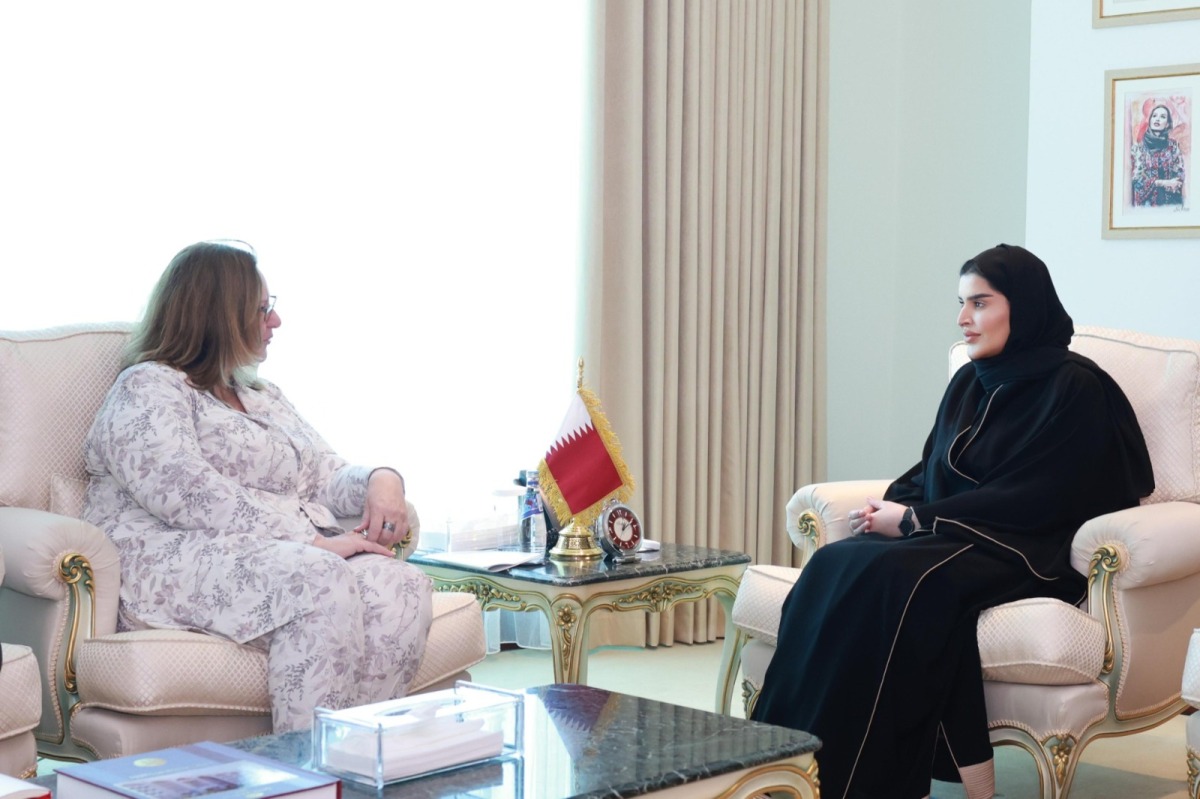

Doha, Qatar – Minister of State for International Cooperation of Qatar, HE Dr. Maryam bint Ali bin Nasser Al Misnad, held discussions with the Netherlands’ Minister for Foreign Trade and Development, HE Okie De Vries, in Doha on Monday. The meeting focused on strengthening Qatar-Netherlands relations, particularly in the crucial areas of international development, humanitarian aid, and expanding bilateral trade opportunities. This meeting signals a continued commitment to collaboration between the two nations.
The meeting, which took place in Doha, involved a review of existing cooperative efforts and exploration of new avenues for partnership. Both ministers reportedly reaffirmed their dedication to ongoing coordination and broadening the scope of their joint initiatives. This comes as both countries navigate evolving global economic and humanitarian landscapes.
Strengthening Qatar-Netherlands Relations Through Collaboration
The discussions between Dr. Al Misnad and Minister De Vries centered on enhancing cooperation in several key sectors. According to a statement released by the Qatari Ministry of State for International Cooperation, international development and humanitarian projects were prominent topics. Qatar has become a significant player in global humanitarian assistance, and the Netherlands is a recognized leader in sustainable development practices.
Focus on Humanitarian Projects
Qatar’s increasing role in international aid, particularly in response to global crises, was likely a key point of discussion. The country has provided substantial support to various humanitarian organizations and initiatives worldwide. The Netherlands, known for its expertise in water management and disaster relief, could potentially offer valuable technical assistance to Qatar’s humanitarian efforts.
Expanding Foreign Trade Opportunities
Beyond humanitarian concerns, the ministers also addressed opportunities to bolster foreign trade between Qatar and the Netherlands. The Netherlands is a major European trade hub, and Qatar is actively diversifying its economy beyond hydrocarbons. Increased trade could benefit both nations, fostering economic growth and creating new opportunities for businesses.
Additionally, the meeting touched upon potential collaborations in areas such as renewable energy and sustainable technologies. Qatar is investing heavily in renewable energy sources as part of its National Vision 2030, and the Netherlands possesses significant expertise in these fields. This synergy could lead to joint projects and knowledge sharing.
However, geopolitical factors and global economic conditions could influence the pace and scope of future cooperation. The ongoing situation in Ukraine and broader inflationary pressures present challenges to international trade and development efforts. These external factors will likely require ongoing dialogue and adaptation from both sides.
The relationship between Qatar and the Netherlands has been steadily growing in recent years, with increased diplomatic engagement and economic ties. The Netherlands was among the first European nations to establish diplomatic relations with Qatar following its independence in 1971. This long-standing relationship provides a solid foundation for future collaboration. Bilateral trade between the two countries has seen consistent growth, with key exports including petrochemicals from Qatar and machinery and agricultural products from the Netherlands.
Meanwhile, Qatar’s investments in the Netherlands have also been increasing, particularly in sectors such as logistics and real estate. This demonstrates a growing confidence in the Dutch economy and its attractiveness as an investment destination. The Netherlands, in turn, views Qatar as a strategically important partner in the Middle East.
The ministers’ commitment to continued coordination suggests that further discussions and potential agreements are likely in the coming months. The Ministry of State for International Cooperation has not yet announced a specific timeline for follow-up meetings or the implementation of new initiatives. Observers will be watching for concrete outcomes from these discussions, particularly regarding specific projects and investment commitments. The success of these efforts will depend on navigating the complex interplay of regional and global factors impacting international cooperation.
It remains to be seen how these discussions will translate into tangible outcomes, but the meeting underscores a shared desire to strengthen ties and address common challenges. Future developments will likely be influenced by evolving geopolitical dynamics and economic conditions, requiring continued dialogue and flexibility from both Qatar and the Netherlands.