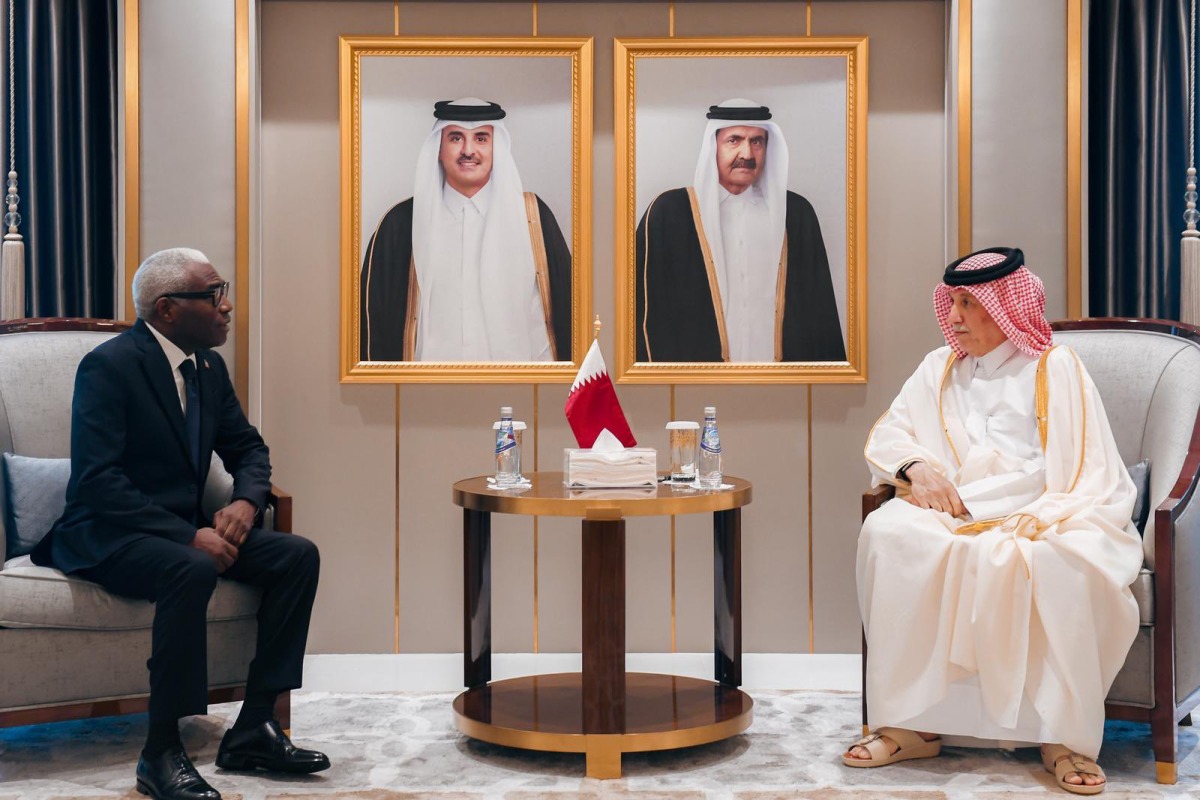

Doha, Qatar – Qatar’s diplomatic ties expanded this week with the formal reception of new ambassadors from Haiti and Bulgaria. Minister of State for Foreign Affairs Sultan bin Saad Al Muraikhi accepted the copies of credentials from Pierre-Richard Cajuste, the ambassador of the Republic of Haiti, and Dimitar Mihaylov, the ambassador of the Republic of Bulgaria, signaling a commitment to strengthened bilateral relations with both nations. The ceremony, held in Doha on Wednesday, underscores Qatar’s ongoing efforts to diversify its international partnerships.
The credential presentation marks the official start of the ambassadors’ diplomatic missions to Qatar. This follows standard protocol for establishing diplomatic representation and allows the ambassadors to formally begin their work connecting their countries with Qatar. According to the official statement, the appointments reflect mutual interests in cooperation across various sectors.
Expanding Qatar’s Diplomatic Footprint Through Bilateral Relations
Qatar has been actively working to foster stronger bilateral relations globally, particularly in areas of economic diversification, energy, and regional security. The nation frequently receives new ambassadors as part of this strategy, showcasing its willingness to engage with a broad range of countries. This approach aligns with Qatar’s National Vision 2030, which prioritizes international cooperation and a prominent role in global affairs.
During the ceremony, Minister Al Muraikhi extended wishes for success to both ambassadors in their new roles. He also assured them of Qatar’s full support in advancing cooperation and strengthening ties between Qatar and Haiti and Bulgaria. This commitment includes facilitating diplomatic engagements and providing assistance as needed to support mutually beneficial initiatives.
Haiti-Qatar Relations
Relations between Qatar and Haiti, while relatively recent, have shown increasing potential. Qatar has previously expressed interest in exploring investment opportunities in Haiti, especially in sectors related to infrastructure and development, as per reports from the Qatari Ministry of Foreign Affairs. The appointment of an ambassador may facilitate these discussions and lead to concrete partnerships.
Bulgaria-Qatar Relations
Qatar and Bulgaria have maintained diplomatic relations for several years, focusing primarily on economic ties and cultural exchange. Bulgaria is a member of the European Union, presenting opportunities for Qatar to strengthen its connections within the EU framework. Enhanced diplomatic relations could also boost trade and investment between the two countries, particularly in sectors like energy and tourism.
Additionally, Qatar’s growing role as a mediator in regional conflicts may increasingly rely on established diplomatic channels, making appointments like these strategically important. Experts note that robust international relations are critical for Qatar’s ability to navigate complex geopolitical challenges. The energy sector is expected to be a key focus of enhanced relations, given Bulgaria’s position in European energy markets.
The Ministry of Foreign Affairs has not yet announced specific plans or timelines for future initiatives linked to these appointments. However, diplomatic sources indicate that both ambassadors will soon present their formal letters of credence, fully establishing their positions. The timing of these presentations will be dictated by customary procedures and scheduling availability.
Looking ahead, observers will be watching for concrete outcomes from these diplomatic engagements. Potential developments include new trade agreements, increased cultural exchanges, and collaborative projects in areas of mutual interest. The extent to which these diplomatic efforts translate into tangible benefits for both countries remains to be seen, and will depend on ongoing negotiations and commitment from all parties.