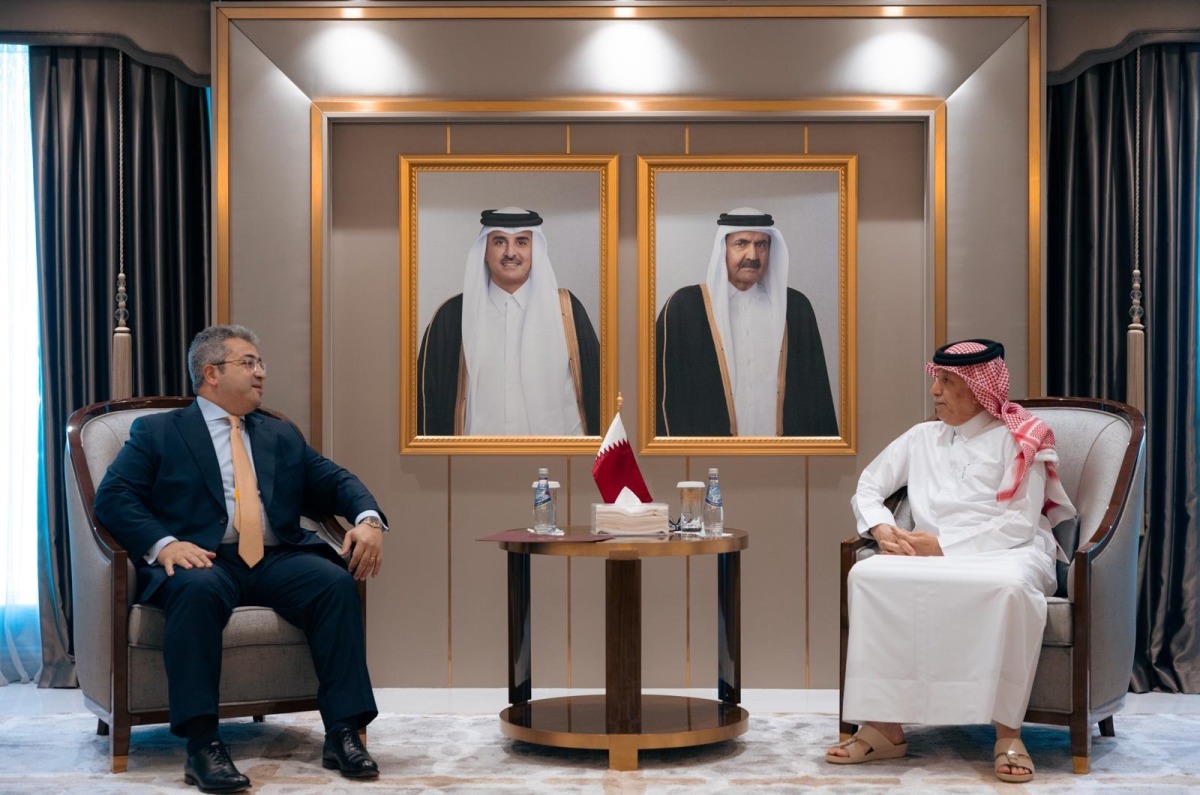

Doha, Qatar – Qatar and Egypt reaffirmed their commitment to strengthening bilateral ties during a meeting held on Monday between Qatar’s Minister of State for Foreign Affairs, Sultan bin Saad Al Muraikhi, and Egypt’s Ambassador to Qatar, Walid Fahmy Al Faqi. Discussions centered on current Qatar-Egypt relations and explored avenues for increased collaboration, according to a statement released by the Qatari Ministry of Foreign Affairs. The meeting underscores the ongoing diplomatic efforts between the two nations to bolster cooperation across various sectors.
The meeting took place in Doha and addressed the importance of mutual support and enhancement of existing partnerships. While specific details of the discussions were not disclosed, the focus on strengthening ties suggests a continued positive trajectory in Qatar-Egypt relations following recent high-level engagements. This dialogue is particularly significant given the evolving geopolitical landscape in the Middle East and North Africa.
Strengthening Qatar-Egypt Relations: A Focus on Cooperation
Both Qatar and Egypt share strategic interests in regional stability and economic growth. The meeting between Al Muraikhi and Al Faqi highlights a mutual desire to translate those shared interests into concrete collaborative initiatives. This continued diplomatic engagement comes after a period of fluctuating ties, indicating a renewed emphasis on consistent communication and partnership.
Historically, Qatar-Egypt relations have been marked by periods of close cooperation and, at times, political strain. Following the 2013 Egyptian revolution, relations cooled due to Qatar’s support for the Muslim Brotherhood, which Egypt designated as a terrorist organization. However, in recent years, both countries have worked towards reconciliation, driven by shared concerns regarding regional security and economic opportunity.
Key Areas of Potential Collaboration
Several sectors are likely candidates for enhanced cooperation between Doha and Cairo. These include investment, energy, and labor. Egypt is a significant destination for Qatari investment, and Qatar has expressed interest in increasing its involvement in Egyptian infrastructure projects.
Energy cooperation is another crucial aspect of the relationship. Qatar, a major natural gas producer, could play a role in supporting Egypt’s energy needs, while Egypt’s strategic location offers opportunities for Qatar to access new markets. This is particularly relevant given the global emphasis on energy security and diversification, fueled by events such as the Russia-Ukraine war; economic partnerships are considered vital.
Addressing the status of Egyptian workers in Qatar is also likely on the agenda. Qatar relies heavily on foreign labor, including a substantial number of Egyptian citizens. Ensuring the welfare and rights of these workers is a key priority for both governments, alongside discussions regarding diplomatic ties.
Meanwhile, regional security concerns, particularly those related to Libya, Sudan, and the Palestinian-Israeli conflict, likely formed a significant part of the discussion. Qatar and Egypt often coordinate their positions on these issues within the framework of the Arab League and other regional forums. Both nations consistently advocate for peaceful resolutions and de-escalation of tensions.
In contrast to earlier periods, the current approach demonstrates a commitment to dialogue and mutual understanding. Diplomatic sources indicate that both countries recognize the benefits of a stable and productive partnership, despite any underlying differences. This shift is also reflected in increased trade volume and cultural exchange programs between the two nations.
Looking ahead, further high-level meetings and the implementation of specific joint projects are anticipated. The success of these endeavors will depend on sustained political will and effective bureaucratic coordination. Continued monitoring of bilateral agreements and investment flows will be crucial to assessing the long-term impact of this renewed emphasis on Qatar-Egypt relations and the broader implications for regional stability and foreign policy. The timing of the next significant developments remains uncertain, but observers expect further announcements in the coming months.
Any shifts in regional dynamics, or changes in domestic political landscapes within either country, could influence the future direction of the partnership.