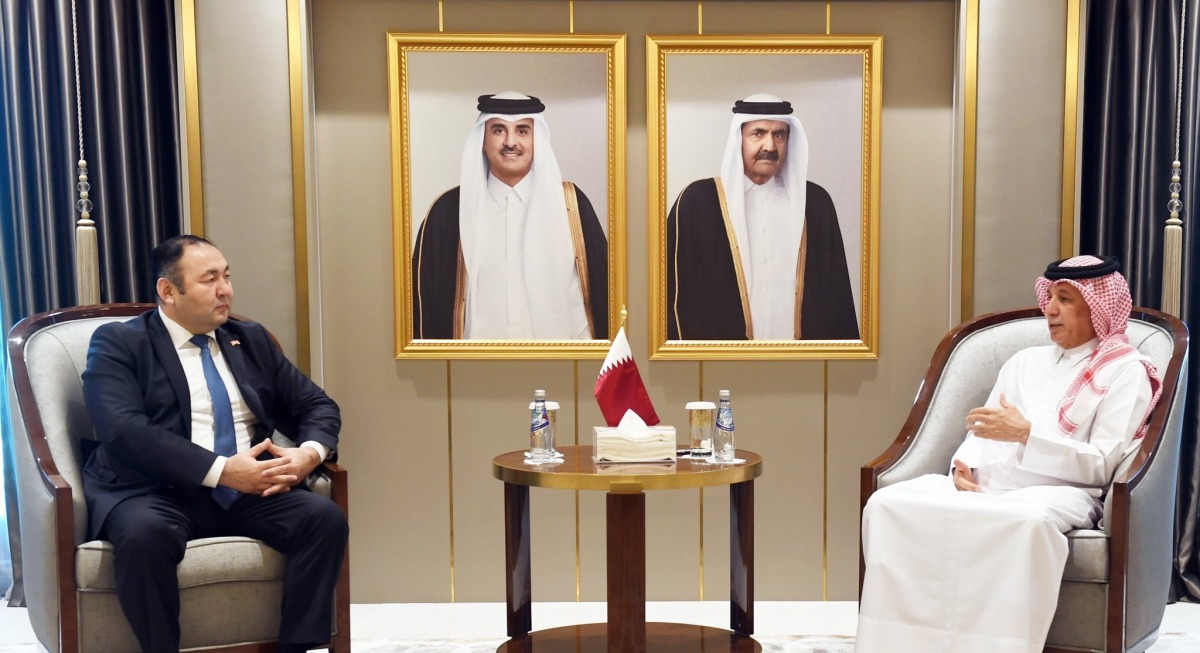

Doha, Qatar – Minister of State for Foreign Affairs of Qatar, HE Sultan bin Saad Al Muraikhi, met with the outgoing Ambassador of the Kyrgyz Republic, HE Marat Nuraliev, on Wednesday, marking the end of the ambassador’s diplomatic mission to the State of Qatar. This meeting underscores the ongoing efforts to maintain strong bilateral relations with key Central Asian partners, especially as Qatar continues to diversify its international collaborations. The discussion focused on the ambassador’s contributions to fostering ties between the two nations during his tenure.
The meeting took place in Doha on January 31, 2024, with HE Al Muraikhi expressing gratitude for Ambassador Nuraliev’s dedication to strengthening communication and cooperation between Qatar and Kyrgyzstan. The Ministry of Foreign Affairs confirmed the meeting served as a formal farewell occasion. Further details about Ambassador Nuraliev’s replacement have not yet been publicly announced.
Strengthening Qatar-Kyrgyzstan Bilateral Relations
Qatar and Kyrgyzstan have been steadily improving their bilateral relations in recent years, marked by increasing cooperation in areas such as trade, investment, and labor. The relationship is viewed by both sides as strategically important for regional stability and economic growth. This meeting with the departing ambassador provides an opportunity to analyze the achievements and future directions of this partnership.
Recent Cooperation Initiatives
In 2023, Qatar and Kyrgyzstan signed several agreements focused on economic and technical cooperation, according to reports from the Qatar Investment Authority. These agreements sought to facilitate investment in Kyrgyzstan’s infrastructure and energy sectors. Additionally, discussions regarding increased air connectivity between Doha and Bishkek have been ongoing, potentially boosting tourism and trade.
Qatar has also provided assistance to Kyrgyzstan in areas like education and healthcare. However, the scale of this assistance remains relatively modest compared to Qatar’s engagement with other partners in the region. Furthermore, labor agreements between the two countries have aimed to protect the rights of Kyrgyz workers in Qatar.
Economic Ties and Investment
Trade volume between Qatar and Kyrgyzstan, while growing, remains below potential. The primary exports from Kyrgyzstan to Qatar include agricultural products and textiles. In contrast, Qatar’s exports to Kyrgyzstan are largely focused on petrochemicals and building materials. The Qatar Financial Centre indicates that there is increasing interest from Qatari investors in Kyrgyzstan’s developing economy.
Despite this growing interest, logistical challenges and regulatory hurdles continue to impede larger-scale investment. These factors, the Ministry of Commerce and Industry notes, are being addressed through ongoing bilateral dialogues. There’s a focus on creating a more favorable business environment for Qatari companies operating in Kyrgyzstan.
Meanwhile, Qatar’s foreign policy has prioritized strengthening ties with Central Asian nations in recent years. This strategy is driven by a desire to diversify its economic and political relationships, as well as to play a more active role in regional diplomacy. The country increasingly views Kyrgyzstan as a key partner in achieving these objectives.
In contrast to some regional partnerships, the Qatar-Kyrgyzstan relationship has remained largely stable amid broader geopolitical shifts. This stability suggests a shared commitment to pragmatic cooperation and mutual respect. Analysts suggest this working relationship could serve as a model for Qatar’s engagement with other Central Asian countries.
The departure of Ambassador Nuraliev represents a natural transition in diplomatic representation. It is expected that a new ambassador will be appointed in the coming weeks to continue building upon the existing foundation of bilateral relations. The appointment process, according to diplomatic sources, is currently underway.
Looking ahead, the focus will likely be on implementing the agreements signed in 2023 and identifying new areas for collaboration, potentially including renewable energy and digital infrastructure. The timing of any major announcements regarding new projects or initiatives remains uncertain, dependent on both domestic and regional developments. Continued monitoring of trade statistics and diplomatic statements will be essential to gauge the future trajectory of this partnership.
Qatar’s Ministry of Foreign Affairs remains a key source of information on this and other diplomatic engagements.
Qatar Investment Authority provides insights into investment trends.
Qatar Financial Centre offers data on financial relations.