







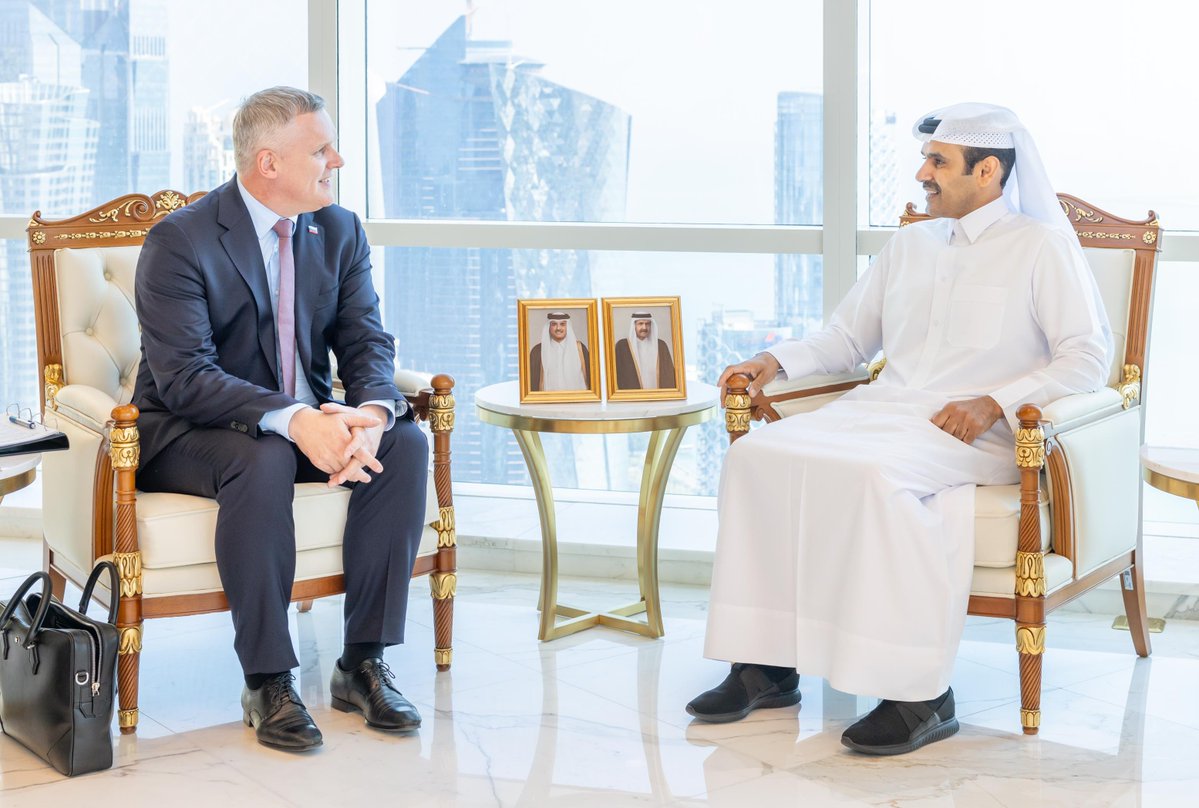

Doha, Qatar – Qatar and Slovenia are exploring strengthened collaboration in the energy sector, following a meeting between Qatar’s Minister of State for Energy Affairs, HE Eng. Saad bin Sherida Al Kaabi, and Slovenia’s Minister of Environment, Climate, and Energy, HE Bojan Kumer, on Monday. Discussions focused on current bilateral ties and opportunities for expanded cooperation, particularly in liquefied natural gas (LNG) and sustainable energy practices. The meeting signals a potential deepening of economic relationships between the two nations as global energy markets evolve.
The meeting, held in Doha, addressed the importance of reliable energy supplies and the ongoing transition to cleaner sources. While specific details of potential agreements were not disclosed, both ministers affirmed their commitment to fostering dialogue and identifying mutually beneficial projects. This engagement comes at a time when Europe, including Slovenia, is actively seeking diversification of its energy resources.
Qatar and Slovenia Focus on Energy Cooperation
Qatar is a leading producer of LNG, and Slovenia, while a smaller market, plays a strategic role in the European energy landscape due to its access to regional gas networks. According to the Ministry of Energy, Qatar has been proactively engaging with various European countries to discuss increased LNG supplies. This comes amidst efforts to reduce dependence on Russian gas following geopolitical shifts.
Diversification of Energy Sources
Slovenia has been working to reduce its reliance on single energy suppliers and is investing in infrastructure to support alternative sources. This includes plans to connect to the Adriatic LNG terminal in Italy, enhancing its capacity to import gas. The country is also focused on increasing renewable energy production as part of its climate goals.
Potential LNG Investments
Slovenia’s pursuit of energy security could potentially open doors for Qatari investment in its energy infrastructure. The country’s energy strategy outlines a need for expanded storage and distribution capabilities, areas where QatarEnergy possesses significant expertise. However, no specific investment proposals were mentioned during the ministerial meeting.
Beyond LNG, discussions also extended to broader topics within the energy transition. Qatar has pledged significant investment in carbon capture and storage technologies, and Slovenia is keen to learn from and potentially collaborate on these initiatives. This reflects a shared understanding of the need to address climate change while maintaining stable energy supplies.
The visit by the Slovenian Minister aligns with Qatar’s broader strategy to strengthen its position as a key global energy player. QatarEnergy has been actively pursuing new partnerships and projects worldwide, focusing on both traditional hydrocarbon resources and emerging renewable energy technologies. This includes substantial investments in LNG facilities and exploration.
Meanwhile, Slovenia’s interest in Qatar signals its proactive approach to securing long-term energy solutions. The country recognizes the importance of diversifying its import portfolio and building resilience against potential supply disruptions. The relationship could potentially extend to expertise sharing in areas like energy efficiency and grid modernization, adding to broader energy security efforts.
It is currently unclear if this meeting will result in concrete agreements or specific investment commitments. Further discussions between technical teams from both countries are expected to take place in the coming months to explore potential areas of collaboration in more detail. The progress of these talks, and any resulting announcements, will be closely watched by observers of the European and global energy markets.
The next steps will likely involve detailed feasibility studies and negotiations regarding potential LNG supply contracts or infrastructure investments. The timeline for any significant developments remains uncertain, dependent on factors such as market conditions and regulatory approvals. Analysts suggest that any long-term agreements could be finalized by the end of 2024.

