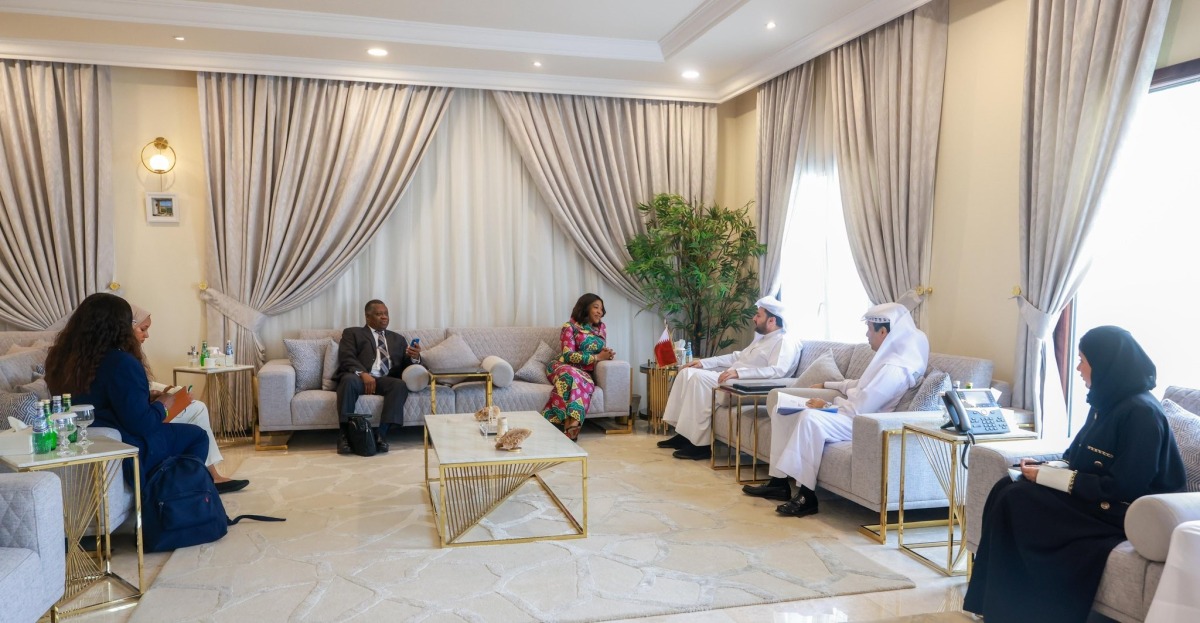

Doha, Qatar – A meeting between Qatari and Commonwealth officials took place on Tuesday, signaling potential for increased Qatar-Commonwealth relations. Minister of State at the Ministry of Foreign Affairs, HE Dr. Mohammed bin Abdulaziz bin Saleh Al Khulaifi, met with Commonwealth Secretary-General, HE Shirley Ayorko Botchwey, during her visit to Doha. Discussions centered on bolstering cooperation, particularly in diplomacy and peacebuilding, and addressing pressing regional and international concerns.
The meeting, held at the Ministry of Foreign Affairs, involved an exchange of perspectives on mutual interests and opportunities for collaboration. Director-General of the Qatar Fund for Development (QFFD), Fahad bin Hamad Al Sulaiti, also attended, highlighting the potential role of QFFD in future joint initiatives. The talks come as Qatar continues to expand its international partnerships and engagement in global affairs.
Strengthening Qatar-Commonwealth Relations
Qatar is not a member of the Commonwealth, a voluntary association of 56 independent and equal countries, most of which were formerly part of the British Empire. However, the nation has shown growing interest in cooperating with the organization on various fronts. According to the Ministry of Foreign Affairs, this meeting represents a proactive step towards exploring formalized engagement, even without full membership.
The focus on diplomacy and peacebuilding is particularly noteworthy, given Qatar’s recent mediation efforts in several international disputes. The country has positioned itself as a key facilitator in conflict resolution, and collaboration with the Commonwealth could amplify these efforts. This includes potential joint programs in areas like counter-terrorism and humanitarian assistance.
Areas of Potential Cooperation
Several areas were identified for potential collaboration during the discussion. These include:
Capacity Building: The Commonwealth Secretariat provides technical assistance and capacity building support to member states. Qatar could potentially benefit from these programs or contribute to them, focusing on areas like good governance and economic diversification.
Sustainable Development: The Commonwealth has a strong emphasis on sustainable development goals. Opportunities for collaboration with the Qatar Fund for Development may arise in supporting these goals in member nations, furthering Qatar’s foreign aid initiatives.
Youth Engagement: With a young and increasingly globally-connected population, Qatar may find common ground with the Commonwealth’s focus on empowering youth through education and employment opportunities.
The discussion also addressed a range of regional and international issues, though specifics were not disclosed. The alignment of views between Qatar and the Commonwealth on issues such as climate change and global health may provide a basis for future joint advocacy.
Meanwhile, the presence of the QFFD Director-General suggests a concrete interest in exploring avenues for financial and developmental cooperation. The QFFD has been instrumental in delivering aid and support to countries facing economic hardship or political instability, and its involvement could lead to joint projects with Commonwealth nations. This could also lead to expanded international cooperation for Qatar.
In contrast to some regional actors, Qatar advocates for dialogue and diplomacy as the primary means of resolving international conflicts. The Commonwealth shares a similar commitment to peaceful dispute resolution, which likely formed a strong foundation for the discussions. This shared value system positions the two entities as potentially effective partners in global peacebuilding efforts.
The Commonwealth Secretariat, established in 1965, promotes and supports member countries in achieving common goals and values. It provides resources and expertise in areas ranging from trade and investment to human rights and the rule of law. Qatar’s interest in this framework reveals its long-term strategy for enhancing its diplomatic reach and influence.
Looking ahead, the next step will likely involve further discussions between Qatari and Commonwealth officials to identify specific projects and initiatives for collaboration. There is no firm timeline for any potential formal agreement, and the extent of future Qatar’s diplomatic efforts remains to be seen. Analysts will be watching for indications of concrete project proposals emanating from QFFD and the Ministry of Foreign Affairs in the coming months, and how these developing discussions might influence Qatar’s broader foreign policy direction.