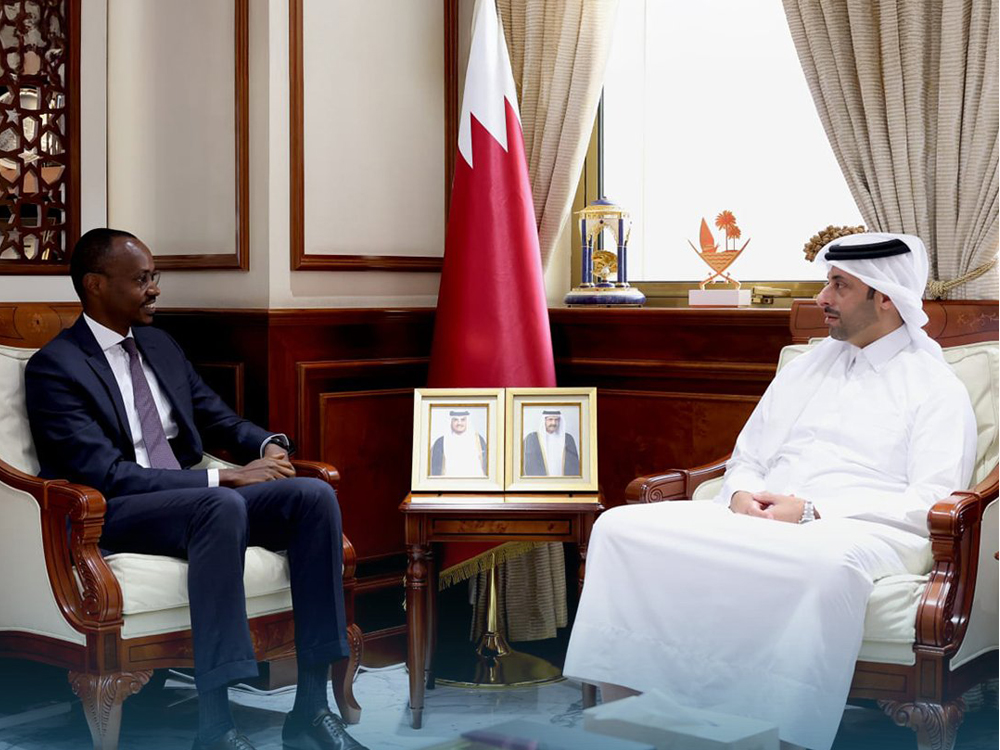

Doha, Qatar – Qatar and Rwanda are exploring increased bilateral cooperation, particularly in areas of mutual interest related to municipal affairs, following a meeting between Qatar’s Minister of Municipality, HE Abdullah bin Hamad bin Abdullah Al Attiya, and Rwanda’s Ambassador to Qatar, HE Igor Marara, on Monday. The discussion focused on potential partnerships and knowledge sharing between the two nations. This development signals a continued effort by Qatar to diversify its international relationships and explore opportunities in East Africa.
The meeting, held at the Minister’s office in Doha, addressed potential avenues for collaboration. While specific details of the discussed areas weren’t immediately released, the Ministry of Municipality indicated a focus on strengthening ties. This comes amid growing diplomatic and economic engagement between Qatar and several African countries.
Strengthening Qatar-Rwanda Bilateral Cooperation
The meeting between Minister Al Attiya and Ambassador Marara represents a formal step in exploring deeper bilateral cooperation between Qatar and Rwanda. According to a statement from the Ministry of Municipality, the discussions were productive and centered on identifying areas where both countries could benefit from shared expertise and resources. This includes potential collaboration in urban planning, infrastructure development, and waste management.
Expanding Diplomatic Ties
Qatar has been actively working to expand its diplomatic footprint in Africa in recent years. This strategy aligns with Qatar’s broader foreign policy goals of fostering international partnerships and diversifying its economic interests. Rwanda, known for its rapid economic growth and focus on technological innovation, presents a particularly attractive partner for Qatar.
Additionally, Rwanda has become a regional hub for technology and finance, attracting investment from around the globe. Qatar’s interest in these sectors could lead to joint ventures and knowledge transfer initiatives. The potential for increased trade relations between the two countries is also a key factor driving this engagement.
Areas of Potential Collaboration
While the Ministry of Municipality did not specify the exact projects under consideration, several areas are likely to be explored. These include:
Sustainable urban development is a key area of focus for both nations. Qatar is investing heavily in smart city technologies and sustainable infrastructure, while Rwanda is prioritizing green growth and climate resilience. Sharing best practices in these areas could be mutually beneficial.
Infrastructure projects, such as transportation networks and housing developments, represent another potential area for collaboration. Qatar’s expertise in large-scale infrastructure projects could be valuable to Rwanda’s ongoing development efforts. Furthermore, Qatar’s sovereign wealth fund could potentially invest in Rwandan infrastructure projects.
Waste management and environmental sustainability are also likely to be discussed. Qatar is seeking innovative solutions to manage its waste and reduce its environmental impact, while Rwanda has made significant strides in promoting environmental conservation. This could lead to joint initiatives in waste recycling and renewable energy.
However, the success of these potential collaborations will depend on several factors, including securing necessary funding, navigating regulatory hurdles, and ensuring alignment of strategic priorities. The current global economic climate and geopolitical landscape could also influence the pace and scope of these initiatives. The development of Qatar-Rwanda relations is also influenced by broader regional dynamics.
Meanwhile, Qatar’s engagement with African nations extends beyond Rwanda. The country has established diplomatic relations with numerous African countries and is actively seeking investment opportunities across the continent. This broader strategy underscores Qatar’s commitment to strengthening its ties with Africa.
Looking ahead, the next step will likely involve the formation of joint working groups to explore specific areas of collaboration in greater detail. A timeline for the implementation of any concrete projects remains uncertain, but officials from both countries have expressed a commitment to advancing these discussions. Observers will be watching for announcements regarding specific agreements or investments in the coming months, as well as further developments in international relations for both nations.