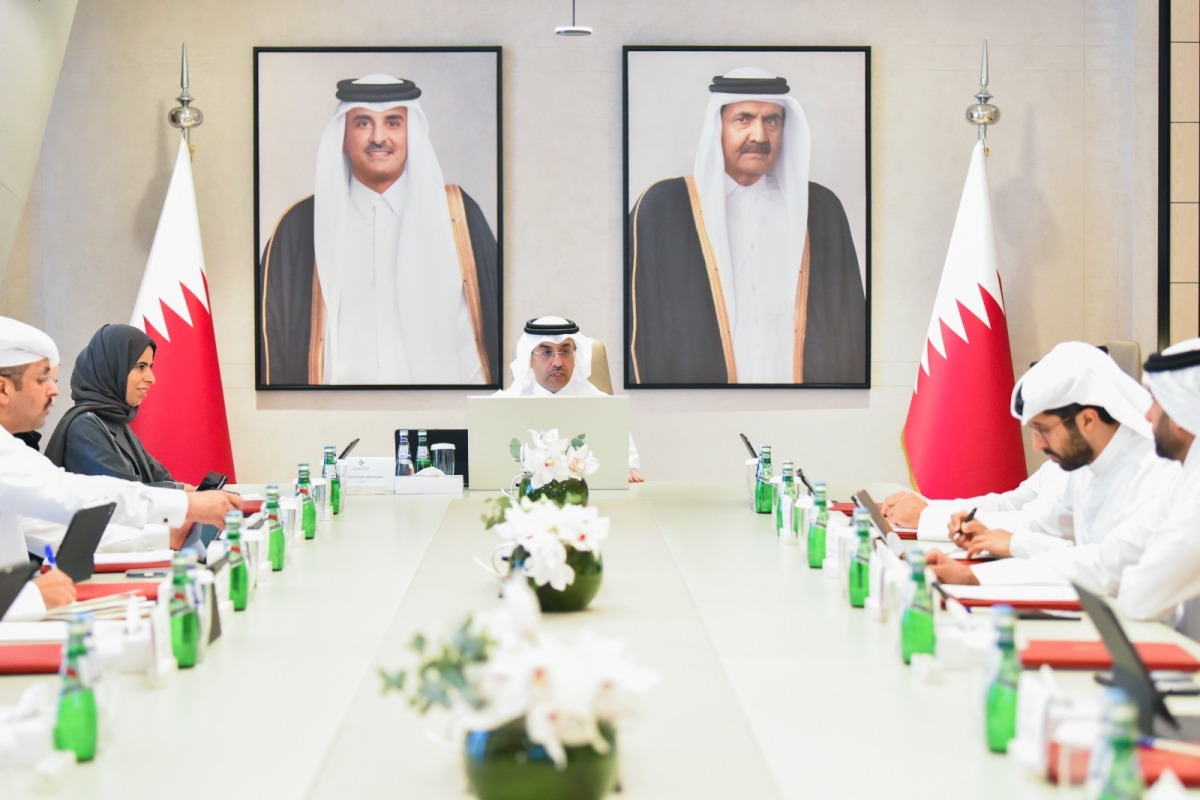

Qatar is actively working to reshape its labor market, focusing on developing its national workforce and attracting skilled expatriate talent. Dr. Ali bin Smaikh Al Marri, Minister of Labour and Chair of the Workforce Planning Committee, led the committee’s sixth regular meeting yesterday to review progress on these key initiatives. The discussions centered on the latest developments in the country’s employment landscape and alignment with national strategic goals.
The meeting, held in Doha, examined initiatives designed to boost the participation of Qatari nationals in the private sector, a long-standing goal of the government. It also addressed efforts to ensure the country continues to attract highly skilled foreign workers, vital for ongoing projects and economic diversification. These efforts are crucial as Qatar continues to implement its National Development Strategy.
Developing Qatar’s Labor Market for a Sustainable Future
Qatar’s focus on labor market development stems from its ambitious economic diversification plans outlined in “Vision 2030”. The nation is investing heavily in infrastructure, tourism, and other sectors, requiring a skilled and adaptable workforce. However, reliance on expatriate labor has historically been high, prompting a strategic shift towards greater national participation.
National Workforce Development
A core component of the strategy involves enhancing the skills and qualifications of Qatari citizens. The Ministry of Labour is implementing various training programs and educational initiatives to prepare nationals for roles in high-demand industries. These programs aim to bridge the skills gap and make Qatari talent more competitive in the private sector, according to recent ministry statements.
Attracting Skilled Expatriate Labor
While prioritizing national employment, Qatar recognizes the continued need for specialized expertise from abroad. The government is streamlining visa processes and improving the overall work environment to attract and retain skilled expatriates. This includes reviewing regulations related to residency permits and employment contracts, with a focus on fairness and transparency. The Ministry of Foreign Affairs plays a key role in these processes.
The Workforce Planning Committee’s discussions also likely touched upon the impact of global economic trends on Qatar’s employment situation. Fluctuations in energy prices and geopolitical events can significantly influence labor demand and supply. The committee is tasked with anticipating these changes and adjusting policies accordingly.
Increasing the proportion of nationals in the private sector has faced challenges, including perceptions of salary expectations and a preference for public sector employment. The government is addressing these issues through incentives for private companies to hire Qatari nationals and by promoting the benefits of private sector careers. The Planning and Statistics Authority provides data on national workforce participation rates.
The initiatives under review are directly linked to the National Strategy for an Effective and Highly Productive Workforce and the Third National Development Strategy. These strategies set specific targets for workforce development, nationalization, and attracting foreign investment. The Ministry of Labour reports that progress is being made towards achieving these goals, though challenges remain.
Furthermore, the committee likely considered the evolving nature of work, including the rise of remote work and the gig economy. Adapting labor regulations to accommodate these new models is essential for maintaining a flexible and competitive job market. This requires careful consideration of worker rights and protections in a changing environment.
The next step for the Workforce Planning Committee is to finalize a detailed action plan based on the outcomes of the meeting. This plan will likely include specific timelines and measurable indicators for tracking progress. A comprehensive report on the implementation of these initiatives is expected to be presented to the government within the next quarter, though the exact timing may be subject to change depending on ongoing economic conditions and policy adjustments.
It remains to be seen how quickly Qatar can achieve its nationalization targets and attract the level of skilled expatriate labor needed to support its economic growth. Monitoring the effectiveness of the new training programs and the impact of regulatory changes will be crucial in assessing the success of these efforts. The overall health of the global economy will also play a significant role in shaping Qatar’s labor landscape.