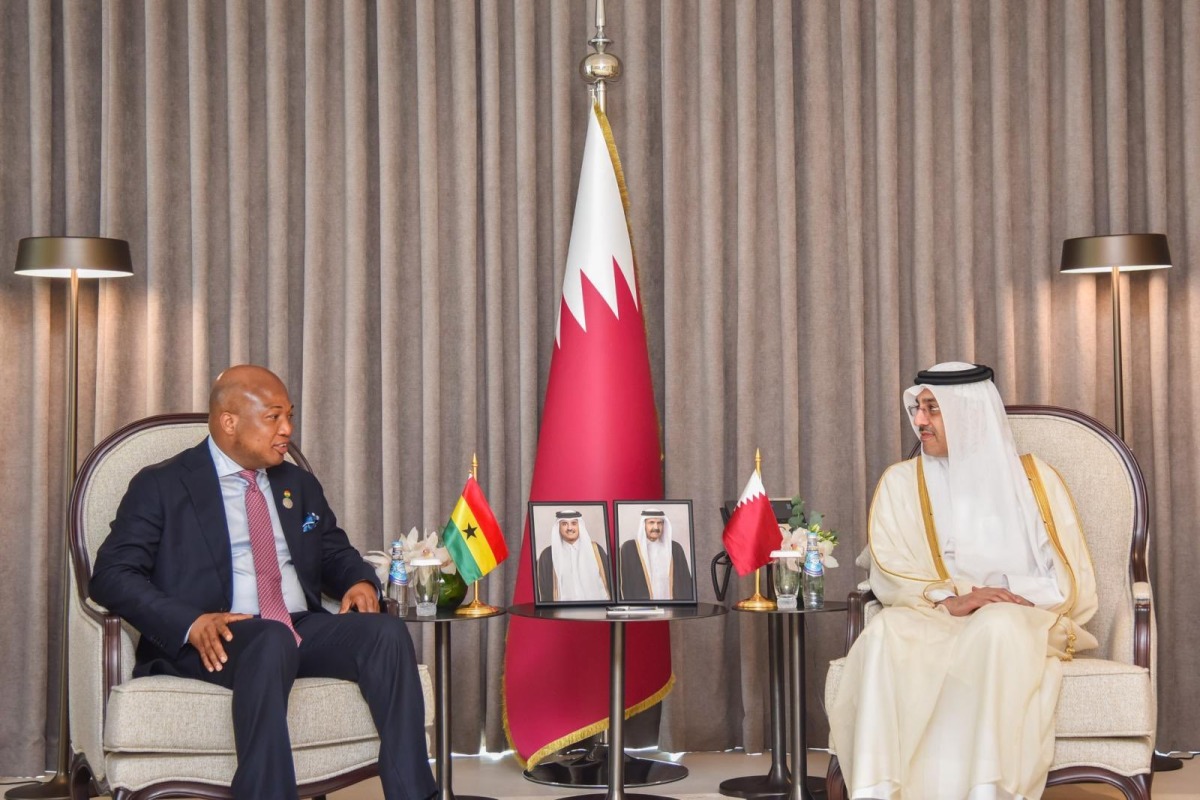

Doha, Qatar – Qatar and Ghana are exploring strengthened labor cooperation following a meeting between Qatar’s Minister of Labor, HE Dr. Ali bin Samikh Al Marri, and Ghana’s Minister of Foreign Affairs, Samuel Okudzeto Ablakwa, on Sunday. Discussions centered on potential avenues for collaboration within the labor sector, signaling a possible increase in bilateral ties between the two nations. The meeting took place in Doha and represents a continuing effort by Qatar to diversify its international partnerships in workforce development.
The meeting, confirmed by the Qatari Ministry of Labor, focused on identifying opportunities to improve conditions and processes for Ghanaian workers seeking employment in Qatar, as well as potential Qatari investment in Ghanaian labor programs. Both ministers reportedly expressed a commitment to ensuring fair and ethical recruitment practices. This development comes amid ongoing scrutiny of migrant worker rights in the Gulf region.
Enhancing Qatar-Ghana Labor Cooperation
The impetus for increased labor cooperation appears to stem from Qatar’s preparations for future mega-events and Ghana’s desire to expand overseas employment opportunities for its citizens. Qatar has been undertaking significant reforms to its labor laws in recent years, particularly in anticipation of hosting the FIFA World Cup 2022, and is now looking to solidify these improvements through international partnerships. These reforms include the abolition of the *kafala* system and the introduction of a minimum wage.
Areas of Potential Collaboration
Several key areas were identified for potential collaboration, according to sources familiar with the discussions. These include:
Skills development programs: Qatar could potentially invest in training initiatives in Ghana to equip workers with the skills needed for employment in Qatar’s growing economy. This could address specific skill gaps in sectors like construction and hospitality.
Recruitment practices: Both countries aim to establish transparent and ethical recruitment processes, minimizing the risk of exploitation and ensuring workers are fully informed about their rights and responsibilities. This includes standardized contracts and pre-departure orientation programs.
Worker welfare: Discussions also touched upon improving worker welfare standards, including access to healthcare, fair wages, and safe working conditions. Qatar has already made strides in these areas, and sharing best practices with Ghana is a key objective.
Meanwhile, Ghana stands to benefit from increased remittances from its citizens working abroad, contributing to its economic growth. The country is also keen to learn from Qatar’s experience in managing a large migrant workforce.
However, challenges remain. Ensuring effective implementation of any agreements will require ongoing monitoring and collaboration between government agencies, recruitment firms, and civil society organizations. The success of this initiative will also depend on addressing broader issues related to migrant worker rights in the region.
Additionally, Qatar’s focus on diversifying its workforce extends beyond Ghana. The country has similar agreements with other South Asian and Southeast Asian nations, reflecting a broader strategy to secure a reliable and skilled labor supply. This diversification is partly driven by demographic shifts and economic growth.
In contrast to previous years, Qatar is now prioritizing sustainable labor practices and seeking to establish itself as a regional leader in worker protection. This shift is influenced by international pressure and a growing recognition of the importance of ethical labor standards. The country’s commitment to these principles is being closely watched by international organizations like the International Labour Organization (ILO).
The Ministry of Labor has not yet announced a specific timeline for the implementation of any concrete agreements resulting from the meeting. However, officials indicated that a joint working group will be established to further explore areas of cooperation and develop a detailed action plan. The next steps will likely involve technical discussions on specific programs and initiatives.
Looking ahead, the development of a formal memorandum of understanding (MOU) between Qatar and Ghana is anticipated within the next six months. The details of this MOU, and its ultimate impact on foreign labor flows and worker welfare, remain to be seen. Observers will be watching closely to assess whether this collaboration translates into tangible improvements for Ghanaian workers in Qatar and contributes to a more ethical and sustainable labor market.
International Labour Organization provides further information on global labor standards.
Ghana’s Ministry of Foreign Affairs offers insights into the country’s foreign policy.
Qatar’s Ministry of Labor details the nation’s labor laws and initiatives.