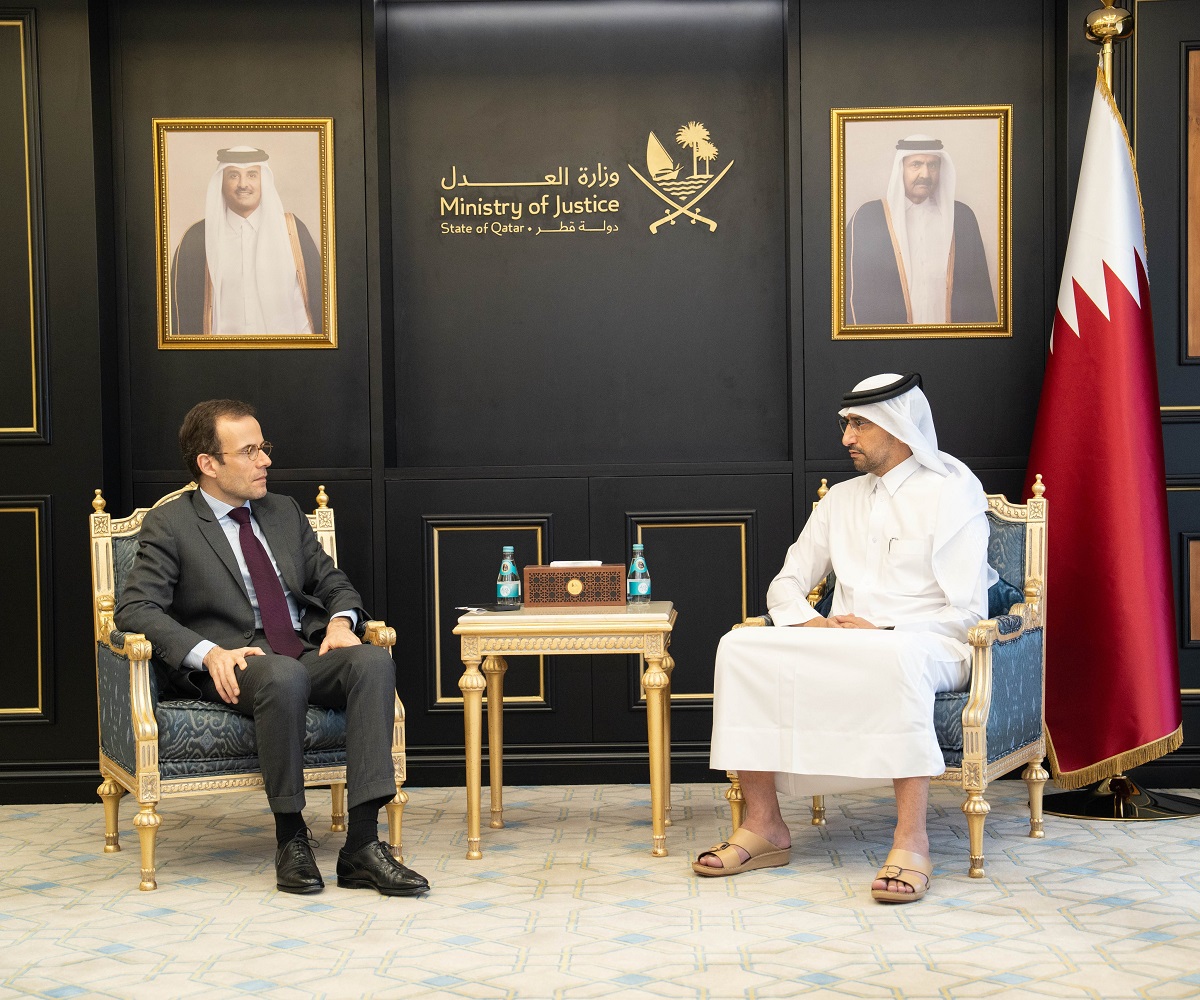

Doha, Qatar – Qatar and France are strengthening their legal cooperation, with a recent meeting between Qatar’s Minister of Justice and Minister of State for Cabinet Affairs, Ibrahim bin Ali Al Mohannadi, and French Ambassador to Qatar, Arnaud Pescheux. Discussions focused on enhancing collaboration between the two nations’ legal and judicial systems, including the potential exchange of best practices. This development signals a continued effort to bolster international partnerships within Qatar’s judicial sector.
The meeting, held in Doha, underscored the importance both countries place on reinforcing their bilateral ties. According to the official Qatar News Agency, the conversation centered on identifying opportunities to improve existing legal frameworks and foster a more robust exchange of knowledge. This initiative comes as Qatar continues to refine its legal system in line with its National Vision 2030.
Enhancing Qatar-France Legal Cooperation
The primary goal of this increased legal cooperation is to facilitate a more efficient and effective judicial process in both Qatar and France. This includes exploring avenues for mutual legal assistance in criminal and civil matters. The Ministry of Justice indicated that the discussions were productive and laid the groundwork for future collaborative efforts.
Areas of Potential Collaboration
Several specific areas were identified as potential focal points for collaboration. These include:
Cybercrime investigations represent a growing area of concern globally, and enhanced cooperation could prove vital in addressing cross-border digital offenses. Additionally, the exchange of expertise in areas like commercial law and dispute resolution was discussed. Finally, training programs for legal professionals could be jointly developed to ensure a consistent standard of legal practice.
However, the specifics of any joint initiatives remain to be determined. The meeting served as an initial step in a longer process of negotiation and planning. Qatar has been actively seeking to diversify its international partnerships, particularly within the legal sector, to benefit from global expertise and best practices.
Meanwhile, France has a well-established legal system with a strong tradition of judicial independence. Sharing French expertise in areas like judicial administration and legal technology could be particularly valuable to Qatar. This collaboration aligns with Qatar’s broader strategy of attracting foreign investment and strengthening its position as a regional hub for commerce and legal services.
In contrast to some regional legal systems, both Qatar and France operate under civil law traditions, which may simplify the process of harmonizing legal approaches. This shared foundation could facilitate smoother implementation of any collaborative agreements. The development of a more streamlined legal framework is expected to further enhance Qatar’s attractiveness to international businesses and investors.
The strengthening of ties between Qatar and France also reflects a broader trend of increasing diplomatic engagement between the two countries. Recent years have seen increased collaboration in areas such as defense, energy, and culture. This multifaceted partnership underscores the strategic importance of the relationship for both nations. International legal frameworks are becoming increasingly important in a globalized world.
The Ministry of Justice has not yet announced a specific timeline for the implementation of any concrete agreements stemming from the meeting. However, officials indicated that further discussions are planned in the coming months to explore specific projects and initiatives. The next steps will likely involve the formation of joint working groups to develop detailed proposals. Monitoring the progress of these discussions and the eventual implementation of any agreements will be crucial to understanding the full impact of this enhanced bilateral relations.
Looking ahead, the success of this legal cooperation will depend on the ability of both countries to navigate potential challenges related to legal and cultural differences. The ongoing development of a clear and mutually beneficial framework for collaboration will be essential. Further announcements regarding specific initiatives are expected in the first half of 2024.