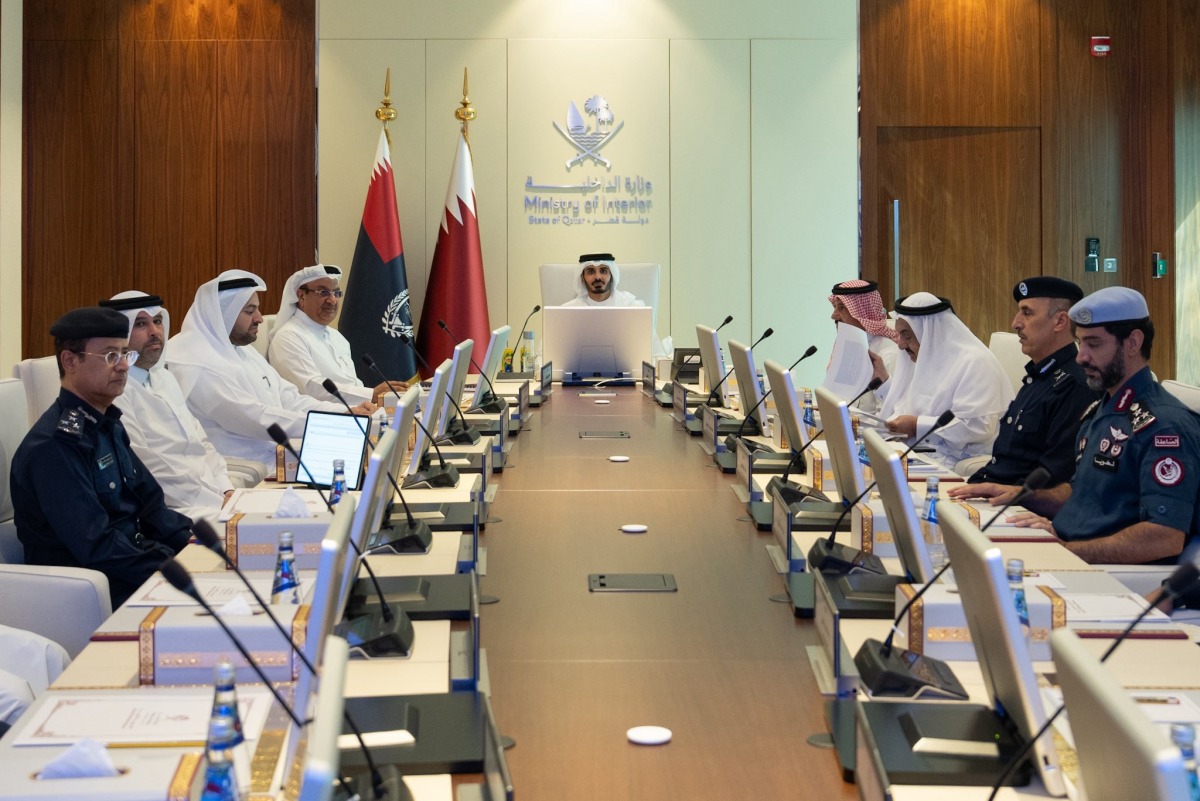

Doha, Qatar – The Supreme Council of the Police Academy convened its third meeting for 2025 this week, led by Minister of Interior and Commander of the Internal Security Force, Lekhwiya, HE Sheikh Khalifa bin Hamad bin Khalifa Al Thani. Discussions focused on enhancements to the police academy’s academic structure, training, and operational capabilities, ultimately aiming to bolster the quality of security personnel prepared in Qatar. The meeting, held at the Ministry of Interior, included participation from members of the Supreme Council.
The session addressed key aspects of the academy’s development, according to a statement released by the Ministry of Interior. Updates were presented on curriculum advancements, strategic operational planning, and new initiatives designed to improve overall institutional performance. Decisions were made to support the academy’s continued evolution as a central pillar in Qatar’s security infrastructure.
Strengthening Qatar’s Police Academy for Future Security Needs
Qatar has significantly invested in its security apparatus in recent years, particularly with the hosting of major international events such as the FIFA World Cup 2022. This focus demands a highly trained and adaptable security force, making the role of the Police Academy even more critical. The recent council meeting underscores the commitment to maintaining that standard through continuous improvement and modernization.
The agenda included a comprehensive review of the existing academic system. This evaluation likely encompassed assessing the alignment of course content with contemporary security challenges, including cybersecurity and counter-terrorism. Furthermore, the council examined ways to integrate cutting-edge technology into training exercises and educational materials.
Curriculum and Training Program Development
Modernizing the curriculum is a key component of preparing future law enforcement professionals. The Ministry of Interior has emphasized the importance of incorporating international best practices and standards into the academy’s educational framework. This includes potential collaborations with renowned security institutions around the world.
Beyond academics, training programs were a central focus. Enhancements in practical exercises, simulated scenarios, and specialized skill development are reported to be under consideration. These improvements aim to enable graduates to respond effectively to a diverse range of security threats and complex situations, honing their law enforcement skills.
Operational strategies were also discussed. These plans likely outline how the academy will work with other security entities within Qatar to address emerging threats and contribute to overall national security. Effective coordination and collaboration are considered essential. The need for robust security training infrastructure was also implied in the meeting discussions.
It is understood that the initiatives reviewed during the meeting encompass improvements to facilities, equipment, and personnel development. Investment in these areas is viewed by the government as crucial to attracting and retaining highly qualified instructors and students at the police training institution. The current push appears to be building on previous upgrades undertaken in preparation for large-scale events.
While specific details of the “appropriate decisions” adopted during the meeting remain limited, sources suggest they involve resource allocation and procedural adjustments to facilitate the implementation of the discussed improvements. The Ministry of Interior has previously identified expanding specialized programs as a priority.
The Supreme Council’s regular meetings demonstrate ongoing oversight of the Police Academy’s progress. Observers anticipate further announcements detailing the specific changes implemented as a result of this meeting in the coming weeks. The long-term impact of these developments will depend on the academy’s ability to adapt to evolving security landscapes and maintain its high standards of instruction along with a growing emphasis on digital forensics.
Looking ahead, the next steps will likely involve drafting detailed implementation plans based on the council’s decisions. A timeline for the rollout of the new curricula and training programs is expected to be established. Monitoring the academy’s key performance indicators, such as graduate employment rates and field performance evaluations, will be vital to assess the effectiveness of these initiatives.