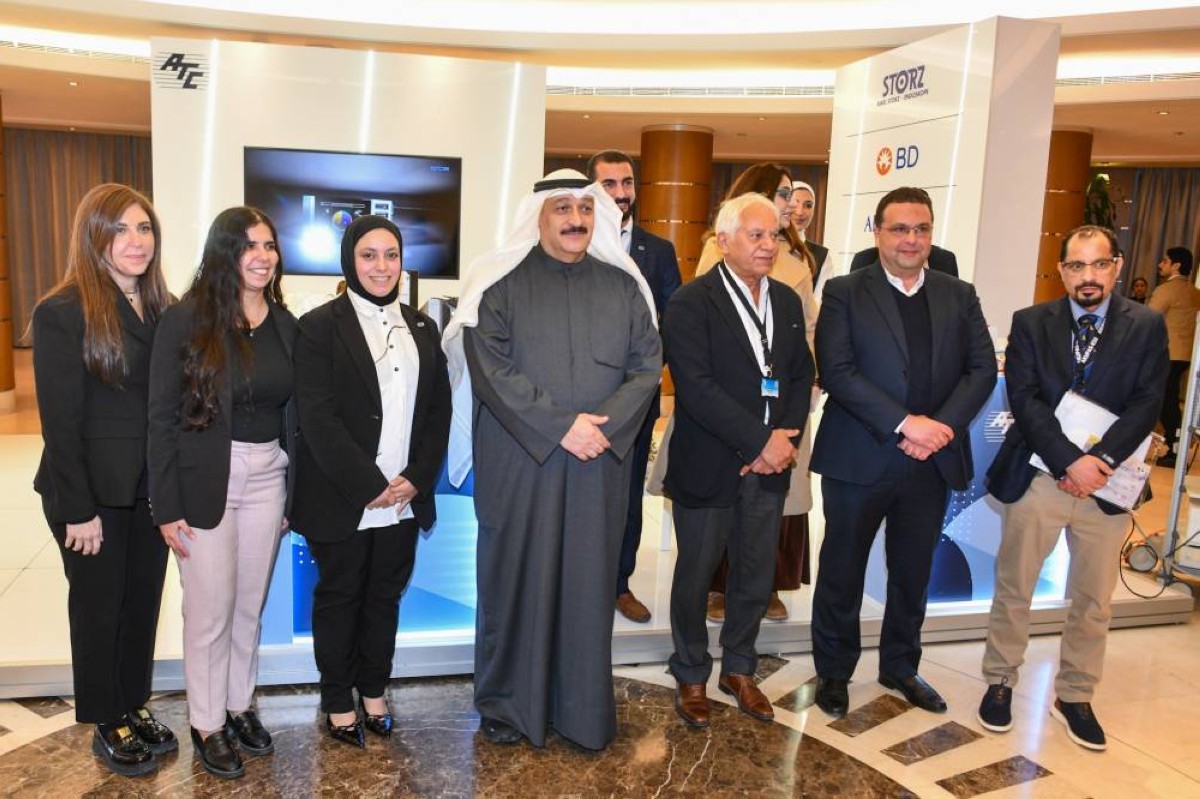

Kuwait is rapidly advancing its healthcare system, with a particular focus on integrating cutting-edge technologies like robotic surgery. This commitment was recently highlighted at the 21st Surgeons’ Conference and the 10th Conference of the Kuwait Surgeons Association, signaling a new era of precision and improved patient outcomes in the country. The conferences, themed “Innovation, Precision, and Multidisciplinary Care in Upper Gastrointestinal Surgery,” demonstrate Kuwait’s dedication to staying at the forefront of medical advancements.
The Rise of Robotic Surgery in Kuwait
Minister of Health Dr. Ahmad Al-Awadhi emphatically stated that robotic surgery is no longer a futuristic concept but a “cornerstone of the surgical development system” within Kuwait. This shift reflects a growing understanding of the benefits this technology offers, especially in complex procedures and the treatment of cancers – a field known as oncology. Traditional surgery, while effective, often involves larger incisions, longer recovery times, and a greater risk of complications.
Advantages of Robotic Surgical Systems
Robotic surgery provides surgeons with enhanced control, precision, and dexterity compared to conventional methods. This is achieved through a sophisticated system where the surgeon operates from a console, manipulating robotic arms that hold surgical instruments. The benefits translate directly to patients, including:
- Smaller incisions, leading to reduced pain and scarring.
- Shorter hospital stays and faster recovery times.
- Minimally invasive approach, reducing trauma to surrounding tissues.
- Improved visualization for the surgeon, enhancing accuracy.
These advantages are particularly crucial in delicate operations, such as those involving the gastrointestinal system, where precision is paramount.
Focus on Upper Gastrointestinal Surgery & Innovation
The joint conference focused specifically on upper gastrointestinal surgery, a complex field dealing with diseases of the esophagus, stomach, and duodenum. Dr. Mousa Khorsheed, Chairman of the Conference Organizing Committee, explained that the event addressed critical topics in this area, including the latest diagnostic methods for both benign and malignant conditions, as well as innovative treatment approaches.
This emphasis on specialized care highlights Kuwait’s strategy to develop centers of excellence within its healthcare infrastructure. The conference wasn’t solely theoretical; practical application was a key component. Workshops were held at Farwaniya Hospital, specifically dedicated to robotic surgery procedures, allowing surgeons to hone their skills.
Training the Next Generation of Surgeons
Recognizing the importance of a skilled workforce, the Ministry of Health is actively investing in the training and qualification of national medical personnel. Two additional workshops were conducted at the Faculty of Medicine, providing hands-on experience to 35 trainee doctors. This commitment to continuous professional development ensures that Kuwait can sustain its advancements in surgical techniques and maintain a high standard of patient care. Surgical training is a vital component of this overall strategy.
Kuwait’s Commitment to Advanced Healthcare
Dr. Al-Awadhi underscored the Ministry of Health’s dedication to providing healthcare that is “precise, safe, and fast recovery based on best global practices and the latest medical innovations.” This isn’t simply about adopting new technologies; it’s about a holistic approach to patient well-being. The ministry is actively seeking to improve the overall quality of life for its citizens through advancements in medical care.
The conferences also serve as a platform for collaboration and knowledge sharing. Bringing together experts from Kuwait and around the world fosters a dynamic environment for discussing challenges and identifying solutions. This international exchange is crucial for staying abreast of the rapidly evolving landscape of medical technology and best practices. The integration of minimally invasive surgery techniques, facilitated by robotics, is a prime example of this.
A Long-Standing Tradition of Medical Advancement
The fact that this is the 21st iteration of the Surgeons’ Conference speaks volumes about Kuwait’s long-standing commitment to medical education and research. Dr. Khorsheed rightly described the event as part of a “continuous and distinguished academic journey.” The consistent support from the Ministry of Health, as acknowledged by Dr. Khorsheed, is instrumental in sustaining this momentum.
This ongoing investment in healthcare infrastructure, training, and innovation positions Kuwait as a regional leader in medical care. The focus on surgical development and the adoption of technologies like robotic surgery are clear indicators of a forward-thinking approach to improving the health and well-being of its population.
In conclusion, Kuwait’s embrace of robotic surgery, as demonstrated by the recent conferences and the Ministry of Health’s initiatives, represents a significant step forward in its healthcare evolution. By prioritizing innovation, precision, and the training of skilled professionals, Kuwait is well-positioned to deliver world-class surgical care and enhance the quality of life for its citizens. For those interested in learning more about Kuwait’s healthcare advancements, exploring the Ministry of Health’s website and following updates from the Kuwait Surgeons Association are excellent resources.