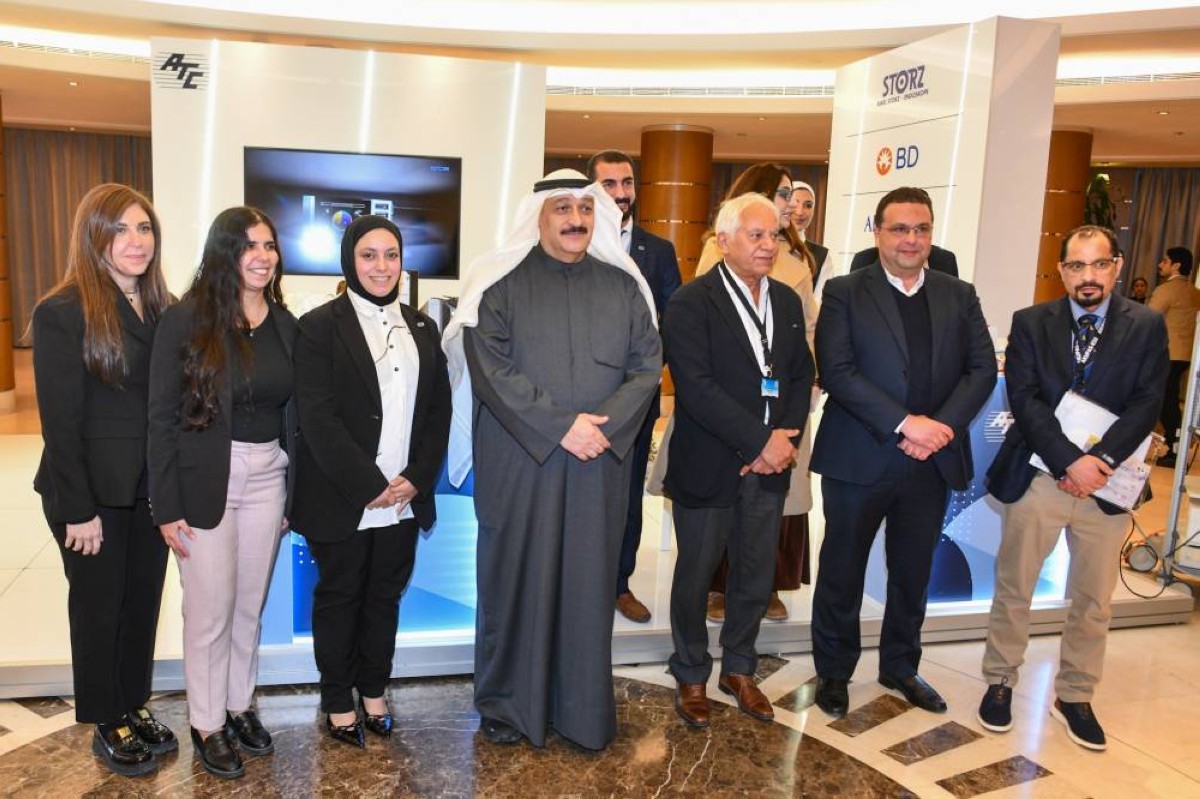

Kuwait is rapidly advancing its healthcare capabilities, with a significant focus on integrating cutting-edge technologies like robotic surgery into its national system. This commitment was recently underscored by the Minister of Health, Dr. Ahmad Al-Awadhi, at the opening of the 21st Surgeons’ Conference in Kuwait City. The event, held alongside the 10th Conference of the Kuwait Surgeons Association, highlights the nation’s dedication to innovation, precision, and multidisciplinary care in the surgical field, particularly within upper gastrointestinal surgery.
The Rise of Robotic Surgery in Kuwait
Dr. Al-Awadhi affirmed that robotic surgery is no longer a futuristic concept but a “cornerstone of the surgical development system” in Kuwait. This shift reflects a broader strategy to enhance patient outcomes and provide world-class medical services. The benefits of robotic-assisted surgery are numerous, offering surgeons improved control, enhanced dexterity, and greater precision, especially in complex procedures. This is particularly crucial in areas like oncology, where minimizing invasiveness and maximizing accuracy are paramount.
Advantages for Complex Procedures
Traditional open surgery often requires large incisions, leading to longer recovery times, increased pain, and a higher risk of complications. Robotic surgery, conversely, utilizes minimally invasive techniques, employing small incisions and high-definition cameras. The robotic arms, controlled by a skilled surgeon, allow for movements that are impossible with the human hand alone, leading to more accurate dissections and reconstructions. This translates to less blood loss, reduced scarring, and a faster return to normal activities for patients.
A Premier Scientific Gathering: The Surgeons’ Conference
The 21st Surgeons’ Conference, themed “Innovation, Precision, and Multidisciplinary Care in Upper Gastrointestinal Surgery,” is a testament to Kuwait’s long-standing commitment to medical education and research. It’s recognized as one of the most prominent scientific conferences in the field of surgery and one of the oldest medical conferences in the country, spanning all specialties.
The conference serves as a vital platform for knowledge exchange, bringing together a distinguished group of experts from both Kuwait and international locations. Participants include healthcare professionals, experienced surgeons, and resident doctors eager to learn about the latest advancements and best practices. This collaborative environment fosters innovation and helps to elevate the standard of surgical care throughout Kuwait.
Investing in National Surgical Expertise
The Ministry of Health isn’t simply adopting new technologies; it’s actively investing in the development of its national surgical workforce. Dr. Al-Awadhi emphasized the ongoing efforts to qualify and train Kuwaiti medical professionals in advanced surgical techniques, including robotic surgery. This commitment ensures the long-term sustainability of these programs and reduces reliance on foreign expertise.
This focus on training extends beyond established surgeons. The conference itself incorporates extensive workshops designed to equip the next generation of medical professionals. Dr. Mousa Khorsheed, Chairman of the Conference Organizing Committee, highlighted the inclusion of robotic surgery procedures held at Farwaniya Hospital, alongside two workshops at the Faculty of Medicine, training 35 trainee doctors. These hands-on learning opportunities are invaluable in building a skilled and confident surgical team.
Focus on Gastrointestinal Health and Modern Diagnostics
A key focus of this year’s conference is gastrointestinal surgery. Discussions center around the latest methods for diagnosing both benign and malignant diseases affecting the digestive system. Modern treatment approaches, including minimally invasive techniques and targeted therapies, are also being explored. The emphasis on early and accurate diagnosis is crucial for improving patient survival rates and quality of life.
Furthermore, the conference addresses the importance of multidisciplinary care, recognizing that effective treatment often requires collaboration between surgeons, oncologists, radiologists, and other specialists. This holistic approach ensures that patients receive comprehensive and coordinated care tailored to their individual needs. Advanced surgical services are therefore not just about the technology, but about the entire patient journey.
Continued Support and a Bright Future
Dr. Khorsheed expressed gratitude for the Ministry of Health’s consistent support of the conference over the past two decades. This support has been instrumental in fostering a thriving academic environment and attracting leading experts in the field. The continuation of the conference for its 21st year signifies a “continuous and distinguished academic journey” for Kuwait’s medical community.
The integration of robotic surgery and the dedication to ongoing education and research position Kuwait as a regional leader in healthcare innovation. By prioritizing patient well-being, investing in its national workforce, and embracing the latest medical advancements, Kuwait is building a brighter and healthier future for its citizens. The commitment to providing precise, safe, and fast recovery healthcare, aligned with global best practices, is a clear indication of the nation’s vision for a world-class healthcare system.