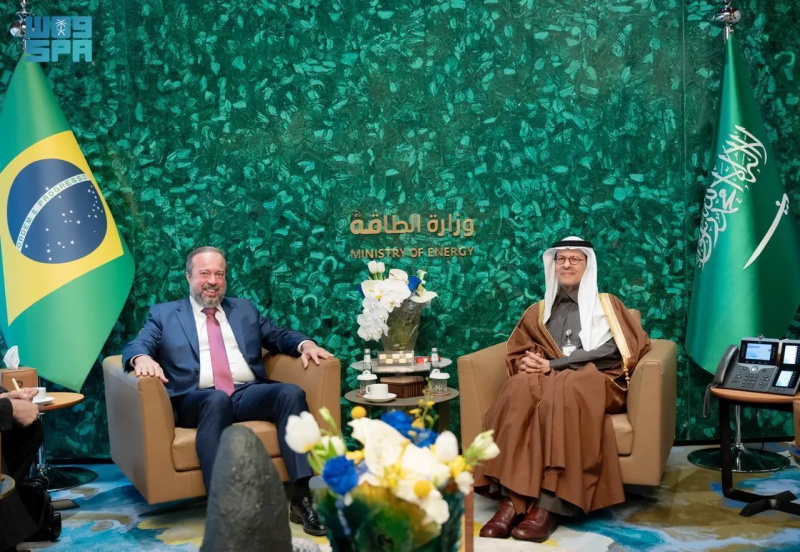

RIYADH – Saudi Arabia is actively strengthening its global energy partnerships, as evidenced by a series of bilateral meetings held in Riyadh on Thursday between Minister of Energy Prince Abdulaziz bin Salman and energy ministers from Pakistan, Brazil, Greece, and Libya. Discussions centered on expanding energy cooperation across multiple sectors, including traditional petroleum supplies and emerging renewable energy technologies. These meetings underscore Saudi Arabia’s commitment to diversifying its energy portfolio and solidifying its position as a key player in the international energy market.
The meetings, which took place at the ministry headquarters, focused on identifying opportunities for increased investment, technological exchange, and collaborative project development. Officials from each nation expressed interest in leveraging Saudi Arabia’s expertise and resources, while also offering their own contributions to a more stable and sustainable global energy future. The timing of these discussions is significant, coinciding with ongoing efforts to balance global oil supply and accelerate the transition to cleaner energy sources.
Expanding Energy Cooperation with Key Partners
Prince Abdulaziz’s meeting with Pakistan’s Federal Minister for Petroleum, Ali Pervaiz Malik, highlighted a desire to bolster ties in the petroleum sector, but also to explore avenues for collaboration in renewable energy and energy efficiency. According to a statement released by the Saudi Ministry of Energy, the two ministers discussed potential investment opportunities and the sharing of best practices in developing effective energy policies. This collaboration is particularly important for Pakistan, which faces ongoing energy challenges and seeks to diversify its supply sources.
Additionally, discussions with Brazil’s Minister of Mines and Energy, Alexandre Silveira de Oliveira, centered on cooperation in electricity, oil and gas, and renewable energy. Brazil’s established biofuels industry and expertise in large-scale hydroelectric projects could offer valuable insights for Saudi Arabia’s own renewable energy initiatives. The exchange of technical knowledge was identified as a crucial component of this partnership.
Focus on Clean Energy Technologies
The meeting with Greek Minister of Environment and Energy, Stavros Papastavrou, demonstrated a strong emphasis on cutting-edge clean energy technologies. Discussions encompassed oil and gas, electricity, renewable energy, and, notably, clean hydrogen and carbon capture, utilization and storage (CCUS). This aligns with a memorandum of understanding on energy cooperation already in place between Saudi Arabia and Greece, suggesting a commitment to concrete action. CCUS, in particular, is gaining traction as a potential solution for reducing carbon emissions from existing fossil fuel infrastructure.
Meanwhile, talks with Libya’s Acting Minister of Oil and Gas, Dr. Khalifa Rajab Abdulsadek, focused on reviewing existing areas of cooperation and identifying new opportunities for investment in both renewable energy and energy efficiency. The Libyan energy sector has been undergoing reconstruction following years of conflict, and Saudi Arabia’s involvement could play a significant role in its revitalization. The ministry indicated a willingness to share expertise in energy technologies and solutions.
These meetings are part of a broader trend of Saudi Arabia actively engaging with international partners to navigate the evolving global energy landscape. The Kingdom has pledged significant investments in renewable energy as part of its Vision 2030 plan, aiming to diversify its economy and reduce its reliance on oil. This diversification strategy requires strong international collaboration to access the necessary technologies and expertise.
The discussions also come at a time of heightened geopolitical uncertainty, impacting global energy markets. Strengthening bilateral relationships provides Saudi Arabia with greater stability and resilience in the face of potential disruptions. The focus on long-term energy security, alongside the push for sustainability, is a key characteristic of the Kingdom’s current energy policy.
The emphasis on renewable energy sources, such as solar and wind, reflects a growing global consensus on the need to reduce carbon emissions. However, Saudi Arabia continues to recognize the importance of oil and gas in meeting global energy demand, particularly in the short to medium term. The discussions on CCUS technologies suggest a commitment to mitigating the environmental impact of these resources.
The Kingdom’s role in OPEC+ and its influence on global oil production were not explicitly mentioned in the ministry’s statements, but are undoubtedly a factor in these bilateral discussions. Maintaining stable oil supplies while simultaneously investing in renewable energy is a delicate balancing act that Saudi Arabia is actively pursuing. The development of a hydrogen economy is also a key component of this strategy, with Saudi Arabia aiming to become a major exporter of clean hydrogen.
Looking ahead, the next step will likely involve the formation of joint working groups to explore specific project proposals and develop detailed implementation plans. The success of these initiatives will depend on a number of factors, including political stability in the partner countries, access to financing, and the effective transfer of technology. Further announcements regarding concrete agreements and investment commitments are expected in the coming months, and the progress of these partnerships will be a key indicator of Saudi Arabia’s evolving energy strategy.
The ongoing energy transition presents both challenges and opportunities for all nations. Saudi Arabia’s proactive engagement with international partners demonstrates its commitment to playing a leading role in shaping a more sustainable and secure energy future. Monitoring the development of these relationships, particularly regarding renewable energy investment and oil and gas collaboration, will be crucial for understanding the future direction of the global energy market.