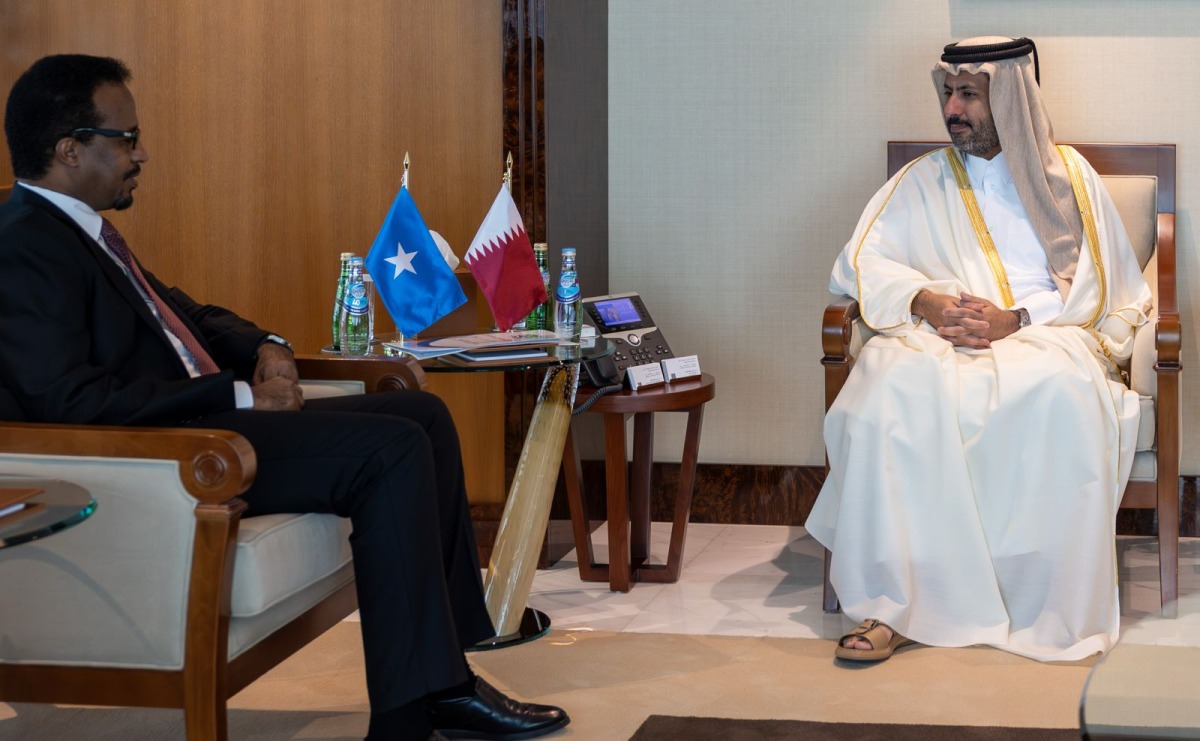

Doha, Qatar – Qatar and Somalia are strengthening economic ties following a meeting between Qatari Minister of Commerce and Industry, HE Sheikh Faisal bin Thani bin Faisal Al-Thani, and his Somali counterpart, HE Gamal Mohamed Hassan, on Tuesday. Discussions centered on bolstering bilateral trade, attracting investment, and fostering industrial collaboration between the two nations. The meeting signals a renewed focus on economic partnerships within the region.
The meeting, held in Doha, involved an exchange of views on opportunities to enhance cooperation and address shared economic challenges. Both ministers reportedly expressed a commitment to identifying and implementing strategies for increased economic engagement. This development comes as Somalia continues to rebuild its economy and Qatar seeks to diversify its investment portfolio.
Strengthening Qatar-Somalia Bilateral Trade Relations
The primary focus of the discussions was expanding bilateral trade between Qatar and Somalia. According to a statement released by the Qatari Ministry of Commerce and Industry, the ministers explored potential avenues for increasing the volume of goods and services exchanged. This includes identifying specific sectors where Qatari investment could contribute to Somalia’s economic development.
Key Areas of Potential Investment
Several sectors were highlighted as particularly promising for future collaboration. These include infrastructure development, particularly in ports and transportation networks, as well as opportunities in the energy sector and financial services. The ministers also discussed potential cooperation in developing Somalia’s agricultural capabilities.
However, Somalia faces ongoing challenges related to political stability and security, which could impact the pace of investment. Qatar has previously demonstrated a willingness to invest in challenging environments, but careful risk assessment will be crucial. The Qatari side emphasized the importance of a stable and predictable regulatory environment to encourage long-term investment.
Additionally, the meeting addressed the importance of facilitating business-to-business connections between companies in both countries. This could involve organizing trade missions, investment forums, and other initiatives to promote networking and collaboration. The ministers agreed on the need to streamline procedures for companies seeking to operate in each other’s markets.
The discussion also touched upon the broader regional economic landscape and the potential for increased economic cooperation within the Horn of Africa. Qatar has been actively engaged in diplomatic efforts to promote stability and economic integration in the region. Somalia’s strategic location and access to key trade routes make it an important partner in these efforts.
Meanwhile, Somalia is actively seeking foreign investment to support its National Development Plan, which aims to rebuild the country’s infrastructure and diversify its economy. The plan prioritizes investments in key sectors such as agriculture, fisheries, and renewable energy. Qatar’s financial resources and expertise could play a significant role in helping Somalia achieve its development goals.
In contrast to some other international partners, Qatar’s approach to investment often emphasizes long-term partnerships and sustainable development. This aligns with Somalia’s stated priorities for attracting responsible and impactful investment. The ministers also discussed the importance of capacity building and skills development to ensure that Somali citizens benefit from increased economic activity.
The meeting also covered topics related to foreign investment regulations and the protection of investor rights. Both sides expressed a commitment to creating a transparent and predictable legal framework that encourages investment and safeguards the interests of all parties involved. This is seen as a crucial step in building trust and fostering long-term economic relationships.
Looking ahead, the two ministries have agreed to form a joint working group to develop a detailed action plan for implementing the agreements reached during the meeting. This plan is expected to outline specific projects, timelines, and investment targets. The working group is anticipated to convene within the next three months, with a preliminary action plan expected by the end of the year. The success of this initiative will depend on continued political stability in Somalia and the ability of both countries to overcome logistical and regulatory hurdles.