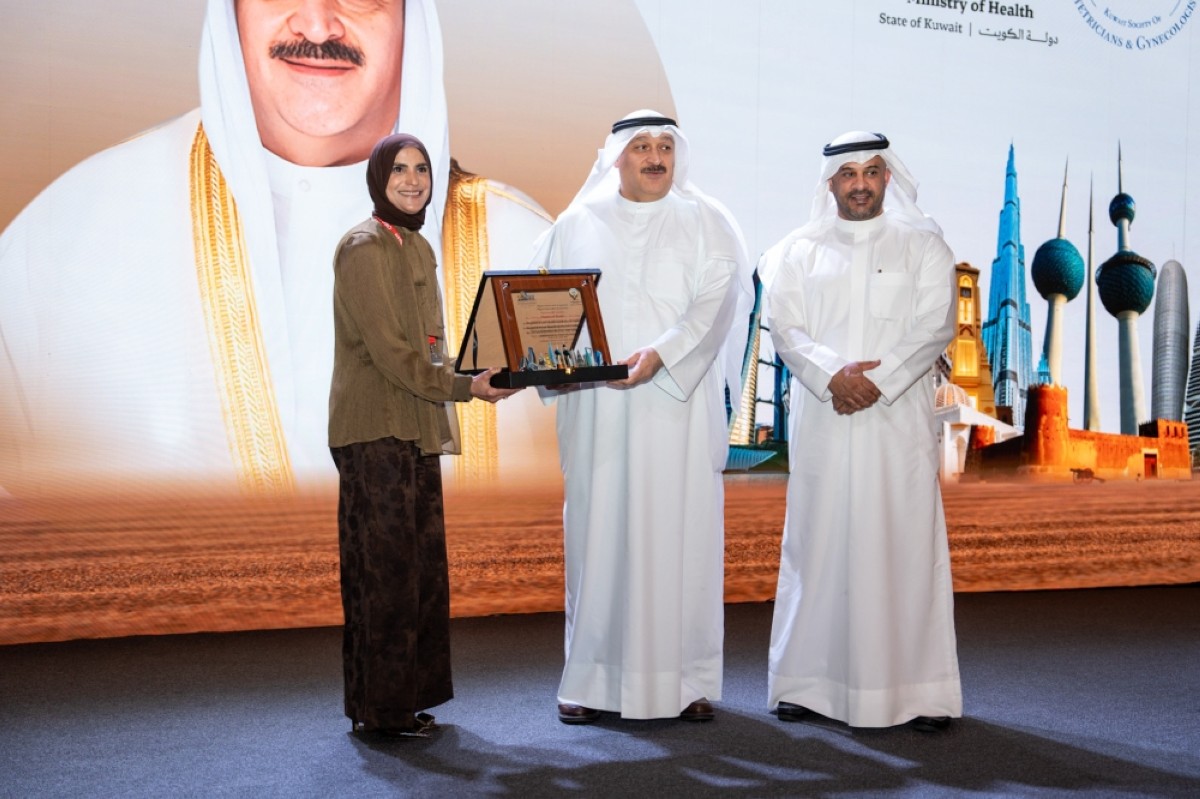

Kuwait is making significant strides in bolstering its healthcare system, particularly in the vital field of maternal-fetal medicine. This commitment was underscored by the Minister of Health, Dr. Ahmad Al-Awadhi, during the opening of the Second Gulf Conference on Maternal-Fetal Medicine in Kuwait City on Sunday. The conference, themed “Cooperation Among GCC Countries in the Field of Fetal Interventions,” signals a regional push towards improved care for mothers and their unborn children, recognizing this area as crucial for the well-being of future generations.
A Cornerstone of Modern Healthcare: Investing in Maternal-Fetal Medicine
Dr. Al-Awadhi emphasized that maternal-fetal medicine isn’t merely a specialized area of healthcare; it’s a foundational element ensuring healthy pregnancies, safe deliveries, and optimal newborn health. These advancements have a ripple effect, contributing directly to a stronger, healthier population for years to come. He highlighted the importance of collaboration and knowledge sharing, particularly within the Gulf Cooperation Council (GCC), to achieve the highest possible standards of care. The conference serves as a vital platform for exactly that – the exchange of expertise and the advancement of modern medical practices in this critical domain.
Kuwait’s Expanding Infrastructure & Capabilities in Maternal Healthcare
Kuwait has demonstrably invested in improving its healthcare infrastructure and developing its medical personnel, resulting in tangible progress in both maternal and child health services. Several key projects illustrate this dedication. The recently inaugurated Farwaniya Hospital, opened in 2023, boasts 192 dedicated obstetrics and gynecology beds and six state-of-the-art specialized operating rooms.
New Hospitals to Enhance Capacity
Further bolstering capacity, Kuwait is also looking forward to the opening of two significant facilities in 2025:
- New Maternity Hospital: This expansive hospital will feature 789 beds, 59 delivery rooms, and 28 operating rooms, significantly increasing the country’s ability to provide comprehensive maternal care.
- Maternity and Child Hospital in Ahmadi: Designed to serve the Ahmadi region, this hospital will offer 637 beds and 21 operating rooms, bringing specialized care closer to home for many families.
These expansions represent a substantial commitment to delivering world-class prenatal care and ensuring sufficient resources for a growing population. Currently, maternal-fetal medicine units at the existing Maternity Hospital and Farwaniya Hospital deliver comprehensive diagnostic services to over 4,800 pregnancies each year, managed by highly trained medical staff adhering to the latest international protocols.
Gulf Cooperation in Fetal Interventions
The Second Gulf Conference’s focus on “Cooperation Among GCC Countries in the Field of Fetal Interventions” is particularly significant. Fetal interventions, procedures performed while the baby is still in the womb, are increasingly sophisticated and offer life-altering possibilities for babies with congenital anomalies or other complications. This conference indicates a concerted effort to standardize practices, share knowledge, and facilitate access to these advanced techniques across the region.
Dr. Amal Khader, Head of the Obstetrics and Gynecology Departments Council and the Conference Chair, emphasized the cutting-edge nature of the scientific program. She stated that it covers a wide array of topics, from genetic counseling and prenatal diagnosis to advanced fetal surgical techniques and the crucial aspects of maternal mental health.
Integrating Theory and Practice: Workshops & Training
Acknowledging the need for practical application alongside theoretical knowledge, the conference incorporated three specialized workshops designed to meet the highest training standards. Notably, a workshop focused on simulation-based learning stands out, aiming to create a robust and effective training environment for medical personnel.
This dedication to hands-on training demonstrates the commitment of Kuwait and the broader GCC region to translate advanced expertise into tangible improvements in clinical practice. It underscores a pro-active approach to improving high-risk pregnancy management and ensuring the best possible outcomes for both mothers and babies. Dr. Khader reiterated that these initiatives foster a collaborative spirit and lift the quality of maternal and fetal healthcare throughout the region.
The Future of Maternal-Fetal Health in Kuwait and the GCC
The ongoing investments in infrastructure, coupled with a focus on advanced training and regional cooperation, paint a promising picture for the future of maternal-fetal medicine in Kuwait and the GCC. By prioritizing the health of mothers and babies, these nations are actively shaping the wellbeing of their future generations. The success of this conference, and similar initiatives, will depend on continued collaboration, knowledge sharing, and a firm commitment to adopting the latest advancements in medical science. For those seeking further information on maternal and fetal health resources in Kuwait, visiting the Ministry of Health’s official website is a good starting point.