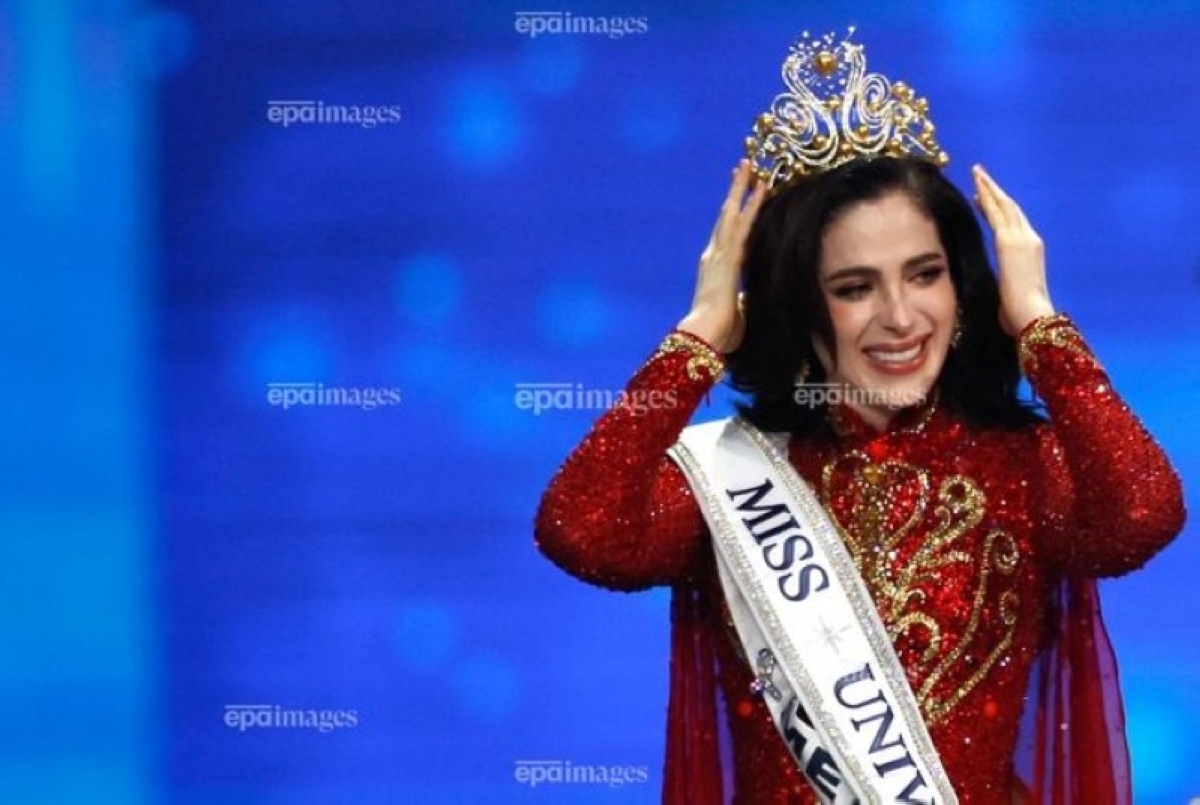

BANGKOK – Fatima Bosch of Mexico was crowned Miss Universe on Friday, concluding a pageant season marked by significant controversy and organizational upheaval. The 74th edition of the competition, hosted in Thailand, followed weeks of accusations of rigging, public disputes between key figures, and even a contestant injury. This win signals a turning point for the Miss Universe Organization as it navigates a complex transition in leadership and strategy.
The crowning of Bosch follows a tumultuous period for the pageant, originating with a public rebuke of a contestant by a key organizer and escalating into claims of pre-determined outcomes. Thailand, a country with a passionate following of beauty pageants, hosted the event for the fourth time, and its own contestant, Praveenar Singh, placed as the runner-up.
The Road to Miss Universe: A Season of Scandals
The recent Miss Universe competition was overshadowed by internal conflict. In November, Miss Mexico, Fatima Bosch, walked out of a pre-pageant event after being publicly criticized by Nawat Itsaragrasil, the Thai media mogul responsible for organizing this year’s contest, for not adequately promoting the event on social media.
The incident escalated when Itsaragrasil allegedly threatened to disqualify any contestants who showed support for Bosch. The Miss Universe Organization quickly condemned the behavior as “malicious,” and Raul Rocha, the organization’s business head based in Mexico, publicly urged Itsaragrasil to cease such actions. Itsaragrasil later issued an apology, claiming a misunderstanding, but the damage was done, leading to the deployment of international executives to reassume control.
Allegations of Rigging and Judge Resignations
Adding to the drama, two judges resigned during the pageant week. Lebanese-French musician Omar Harfouch publicly accused organizers of pre-selecting finalists, alleging an “impromptu jury” bypassed standard procedures. Former French football star Claude Makelele followed suit, citing “unforeseen personal reasons.”
The Miss Universe Organization denied the rigging claims, suggesting Harfouch may have been referring to the “Beyond the Crown” program, a separate social impact initiative with its own selection committee. However, the accusations further fueled concerns about the integrity of the competition. The incident highlighted potential differences in operational style between the Thai and Mexican leadership.
Further complicating matters, Miss Jamaica, during the preliminary evening gown round, suffered a fall onstage and required medical attention. She is currently recovering in a hospital, according to news reports.
A Shift in Leadership and Brand Strategy
These controversies occurred amid a leadership transition within the Miss Universe Organization. Anne Jakrajutatip, a Thai transgender media mogul, acquired the pageant in 2022 and introduced progressive changes, including allowing transgender women, married women, and mothers to compete. She also removed the age restriction for contestants.
However, Jakrajutatip’s company, JKN, filed for bankruptcy in 2023 due to “liquidity problems”. Before her resignation, she brought on Rocha and then tapped Itsaragrasil to handle the 2024 event. This resulted in a split leadership structure between Bangkok and Mexico, a situation described by industry observers as “confusing” and “damaging to the brand,” according to the BBC.
Jakrajutatip attempted to modernize the brand through merchandise and increased social media engagement, aiming to capitalize on the growing influencer potential of contestants. This move reflects the broader trend of pageants adapting to the digital age, where former titleholders can amass substantial followings on platforms like TikTok and Instagram, even after their reign ends. Successfully leveraging social media and digital marketing is becoming increasingly vital for the future of beauty pageants.
While the focus often falls on the spectacle, many titleholders use their platform for advocacy. The 2018 Miss Universe, Catriona Gray, recently used her 13.8 million Instagram followers to support a charity providing clean water to communities impacted by typhoons in the Philippines.
The pageant also continues adapting rules around inclusivity, allowing contestants from conservative countries to opt for full-body coverings in the swimsuit competition. The organization aims to balance tradition with modern values.
Looking ahead, the Miss Universe Organization faces the challenge of rebuilding trust and establishing a clear leadership structure. The next major event is the 2025 competition, and observers will be attentive to how the organization navigates its new operational dynamics. The long-term success of Miss Universe depends on its ability to reconcile its legacy as a televised event with its evolving role in the digital landscape and its commitment to empowering its contestants.