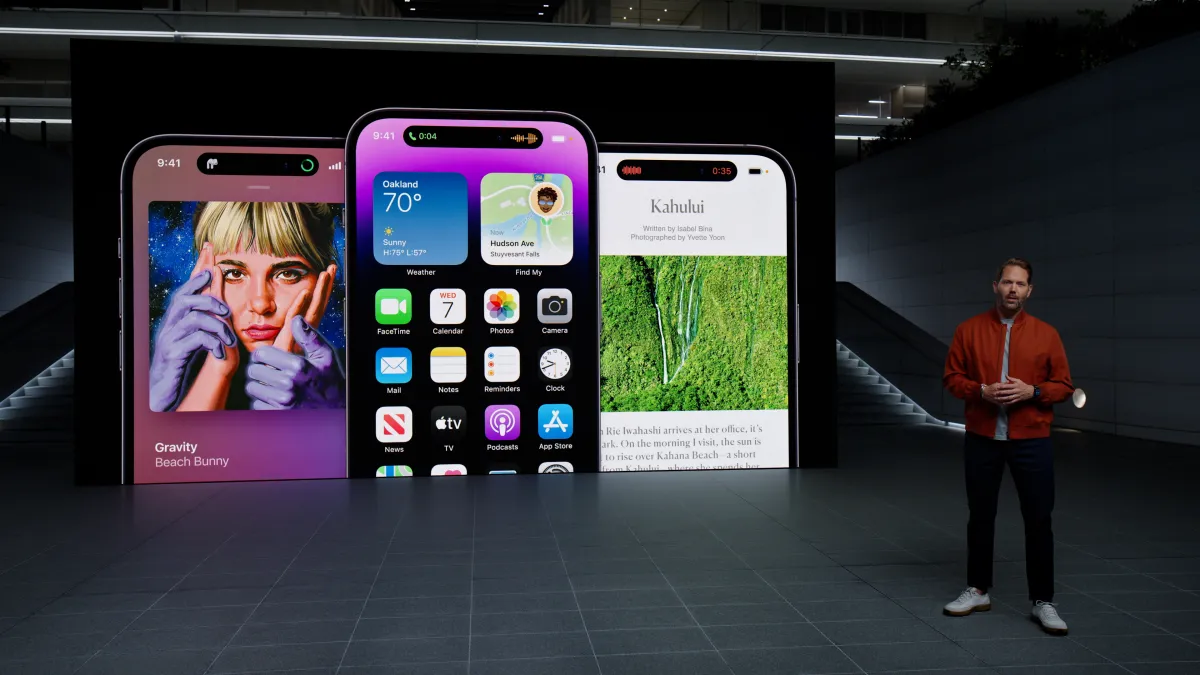

Meta has made a significant strategic hire, recruiting Alan Dye, a former Apple design executive who spearheaded the tech giant’s user interface team for the past decade. This move signals Meta’s intensified focus on developing advanced artificial intelligence features for its consumer devices, including smart glasses and virtual reality headsets. The hiring of Dye, announced by Meta CEO Mark Zuckerberg, comes as the company aims to compete more effectively in the rapidly evolving tech landscape.
Dye’s departure from Apple and subsequent appointment at Meta were reported by Bloomberg’s Mark Gurman. He will report directly to Andrew Bosworth, Meta’s Chief Technology Officer, and will lead a newly formed creative studio within Reality Labs. This studio will consolidate design, fashion, and technology teams to shape the next generation of Meta’s hardware and software offerings.
Meta’s Push for AI-Driven Design
The acquisition of Dye is part of a broader trend of Meta actively recruiting talent from its competitors, particularly in the field of artificial intelligence. Earlier this summer, Meta reportedly poached researchers from OpenAI, a leading AI research company. Reports suggest Meta CEO Mark Zuckerberg personally engaged in recruitment efforts, even delivering homemade soup to potential hires – a tactic mirrored by OpenAI’s chief research officer, Mark Chen, in an attempt to retain talent.
This aggressive recruitment strategy underscores Meta’s commitment to becoming a leader in AI innovation. The company is facing increasing competition from Apple, Google, and other tech giants in developing cutting-edge AI technologies. Meta’s focus extends beyond software, aiming to integrate AI seamlessly into its hardware products, creating more intuitive and immersive user experiences.
Building a New Creative Studio
The newly established creative studio at Meta will bring together several key teams. These include Billy Sorrentino and Joshua To, both former Apple designers with experience in interface design within Reality Labs, as well as Meta’s existing industrial design team led by Pete Bristol and its metaverse design and art teams led by Jason Rubin.
Zuckerberg articulated a vision of treating AI as a fundamental “design material,” exploring the possibilities of abundant, capable, and human-centered intelligence. He emphasized the importance of elevating design within Meta and assembling a team with expertise in craft, creative vision, and systems thinking. This suggests a shift towards a more holistic approach to product development, prioritizing user experience and aesthetic appeal alongside technological innovation.
Apple has named Steve Lemay as Dye’s replacement, according to a statement from CEO Tim Cook. Lemay has played a crucial role in the design of Apple’s major interfaces since 1999, indicating a continuity of design leadership within the company. However, the loss of Dye represents a significant departure of institutional knowledge and experience.
The move also highlights the growing importance of user interface and user experience (UX) design in the competitive tech market. Companies are increasingly recognizing that a seamless and intuitive interface is critical for attracting and retaining users, particularly in emerging technologies like virtual reality and augmented reality. The demand for skilled designers with expertise in these areas is expected to continue to rise.
Implications for the Metaverse and Beyond
Meta’s investment in design talent and AI capabilities has significant implications for the future of the metaverse. The company is positioning itself to create more compelling and immersive virtual experiences, potentially attracting a wider audience to its metaverse platforms. The integration of AI could enable more personalized and interactive environments, enhancing user engagement and fostering a sense of presence.
Additionally, the focus on smart glasses and other wearable devices suggests Meta is aiming to bridge the gap between the physical and digital worlds. AI-powered features could enable these devices to provide contextual information, assist with daily tasks, and offer new forms of entertainment and communication. This aligns with the broader trend of ambient computing, where technology seamlessly integrates into our everyday lives.
The success of Meta’s strategy will depend on its ability to effectively integrate these new design and AI capabilities into its products and services. The company faces challenges in overcoming technical hurdles, addressing privacy concerns, and building a sustainable ecosystem for its metaverse platforms. The next steps will involve demonstrating tangible progress in these areas, with potential product announcements expected in the coming months. The timeline for the full impact of these changes remains uncertain, but the industry will be closely watching Meta’s developments in the AI and design space.
It is also worth noting the increasing competition in the technology sector, with companies vying for dominance in areas like virtual reality, augmented reality, and machine learning. Meta’s moves are a clear indication of its determination to remain a key player in this evolving landscape.