


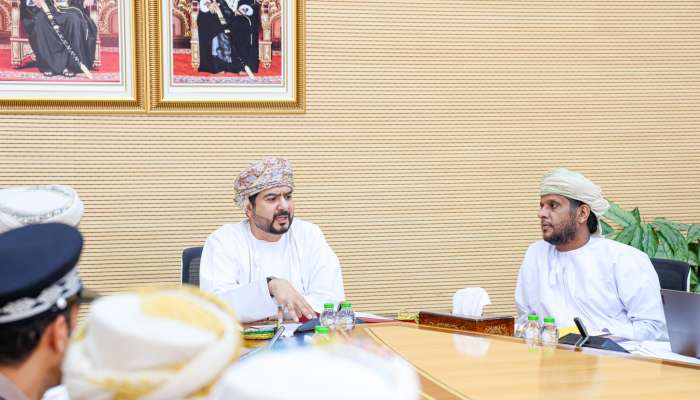

The used car market in Oman is poised for significant improvement following a productive meeting between the Ministry of Commerce, Industry & Investment Promotion (MOCIIP) and industry entrepreneurs. Ensuring a fair and efficient used car sales sector benefits both businesses and consumers, and today’s discussions represent a crucial step towards realizing this goal. Minister Qais Mohammed Al Yousef led the assembly, demonstrating the government’s commitment to fostering a thriving commercial landscape within the Sultanate.
Strengthening Oman’s Used Car Sales Sector Through Collaboration
Today’s meeting wasn’t an isolated event; it’s part of a wider, ongoing dialogue initiated by the MOCIIP to address challenges faced by used car showroom owners. The Ministry recognizes the vital role this sector plays in the Omani economy and aims to create a more supportive and regulated environment for its continued growth. Previous meetings have already laid the groundwork for positive change, and this latest discussion focused on implementing those initial recommendations and outlining further advancements.
Focus on Regulatory Mechanisms
A primary focus of the meeting was the review of the latest developments in regulating used car sales activities. This includes streamlining inspection processes, ensuring vehicle history transparency, and establishing clear guidelines for fair trading practices. The Ministry understands that clear and consistent regulation is crucial for building trust with consumers and establishing a level playing field for all businesses involved.
These regulatory mechanisms are not intended to create hurdles, but rather to solidify the reputation of Oman’s automotive market. By minimizing risks associated with purchasing previously owned vehicles, the aim is to encourage more transactions and ultimately, a more vibrant sector.
Simplifying Licensing and Operational Procedures
One of the key issues raised by showroom owners consistently revolves around the complexity of licensing and ongoing operational procedures. The MOCIIP acknowledged these concerns and dedicated a significant portion of the meeting to exploring ways to simplify these processes. This included discussions on digitalizing applications, reducing bureaucratic steps, and offering more accessible support for businesses navigating the regulatory landscape.
The intent is to make it easier for legitimate businesses to operate within the country, consequently reducing the shadow economy and protecting consumers. A more efficient system directly translates to lower operating costs for showrooms, potentially passed on as savings for buyers. This also aligns with Oman’s broader digital transformation initiative, aiming to improve ease of doing business across all sectors.
Furthermore, facilitating easier access to car financing options for customers was also briefly discussed as a supporting element to boost sales and market activity.
Enhancing Government-Private Sector Partnership
The Ministry recognizes that collaboration is key to overcoming challenges and achieving sustainable growth. The meeting emphasized the importance of strengthening the partnership between used car showroom owners and various government entities. This includes fostering better communication, creating platforms for regular feedback, and ensuring that policies are developed with a clear understanding of the industry’s needs.
Specifically, discussions centered on how to improve coordination with the Royal Oman Police (ROP) regarding vehicle registration and transfer processes. A smoother, more integrated system will benefit both businesses and individuals, reducing delays and improving overall efficiency. Additionally, the Ministry highlighted its commitment to providing training and development opportunities for showroom staff, focusing on areas like customer service and ethical sales practices.
Developing the Market and Supporting Services
Beyond regulation and licensing, the meeting explored proposals to actively develop the used car market in Oman. This included discussions on potential initiatives to promote the sector, attract investment, and enhance the range of supporting services available to both buyers and sellers.
Exploring Digital Platforms
A significant area of focus was the potential for leveraging digital platforms to connect buyers and sellers more effectively. This could involve creating a centralized online marketplace for used cars, offering virtual inspection services, and utilizing data analytics to better understand market trends. Such initiatives would not only enhance convenience but also increase transparency and competition within the sector.
Improving Vehicle Valuation Services
The lack of standardized, reliable vehicle valuation services was another challenge identified. The MOCIIP discussed exploring options for developing or supporting such services, providing a fair and objective benchmark for pricing and reducing the risk of overpricing or undervaluation. This move will contribute to consumer confidence and promote fair trading practices.
In conclusion, the meeting between the MOCIIP and used car entrepreneurs signals a positive trajectory for the sector. By focusing on streamlining regulations, fostering collaboration, and developing innovative solutions, the Ministry demonstrates its commitment to creating a thriving and consumer-friendly used car sales environment in Oman. The outcome of these discussions promises a more transparent, efficient, and robust market, benefiting businesses, consumers, and the overall Omani economy. We encourage showroom owners to actively participate in future consultations and contribute to shaping the future of this important industry.