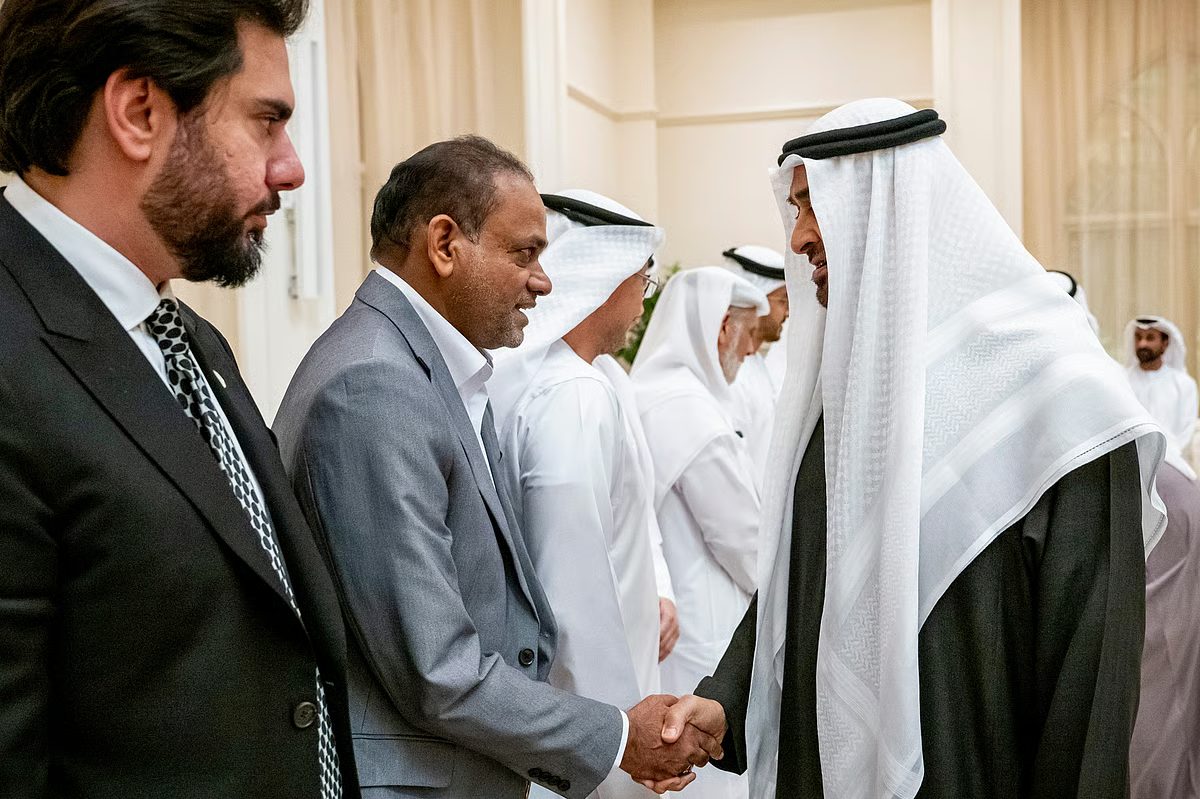

A long-term UAE resident, Shakil Hussain, has been publicly recognized for his consistent charitable donations to medical causes within the country. Over two decades, Hussain and his family made 42 separate contributions, often in modest amounts, demonstrating a commitment to supporting healthcare initiatives. The recognition culminated in a recent meeting with UAE President Sheikh Mohamed bin Zayed Al Nahyan at Qasr Al Bahr palace.
The acknowledgement of Hussain’s sustained philanthropy comes as the UAE continues to emphasize social responsibility and community support. While the exact value of the donations has not been disclosed, Hussain has described his income as modest, emphasizing the importance of intention over financial capacity in giving. The story highlights the nation’s values of compassion and generosity, particularly towards those facing medical hardship.
The Impact of Consistent Charitable Donations
Hussain’s contributions were directed towards various medical causes, assisting individuals struggling with illnesses. He consistently donated whenever possible, often utilizing funds that might otherwise have been allocated to personal comforts. According to Hussain, each donation was a deliberate choice to prioritize helping others.
He extended his giving beyond his own means, including contributions made in the names of his family members. This practice underscores a broader family commitment to supporting the community. Additionally, Hussain believes that regular, sincere giving is more impactful than infrequent, large sums.
A Nation Built on Generosity
The UAE has a long-standing tradition of charitable giving, both domestically and internationally. The government actively promotes social welfare programs and encourages citizens and residents to participate in philanthropic activities. This commitment is reflected in numerous initiatives focused on healthcare, education, and poverty alleviation.
The Ministry of Community Development oversees many of these programs, working with various organizations to ensure effective distribution of aid. Recent reports indicate a growing emphasis on sustainable development goals, including improved access to healthcare for all residents.
Hussain’s story resonates with the UAE’s national ethos. He described his meeting with President Sheikh Mohamed as a profoundly humbling experience. The President’s kindness and humility, Hussain noted, reinforced his belief in service-oriented leadership.
This encounter solidified Hussain’s perception of the UAE as a nation founded on compassion and care for its people. He has lived in the country for two decades and witnessed this generosity firsthand. Meanwhile, the President’s acknowledgement of Hussain’s contributions serves as a public endorsement of these values.
Beyond Individual Acts of Philanthropy
While Hussain’s story is inspiring, it represents a larger trend of increasing community involvement in the UAE. Numerous organizations facilitate charitable giving, providing platforms for individuals and corporations to support various causes. These include foundations dedicated to medical research, disaster relief, and educational scholarships.
However, the UAE also faces ongoing challenges in addressing healthcare disparities and ensuring equitable access to medical services. The government is actively working to expand healthcare infrastructure and improve the quality of care available to all residents. This includes investments in advanced medical technologies and the training of healthcare professionals.
In contrast to some regions, the UAE has a relatively high rate of volunteerism, with many residents dedicating their time and resources to support community initiatives. This spirit of giving is often driven by cultural values and a strong sense of social responsibility. The government actively encourages volunteerism through various programs and incentives.
The recognition of Hussain’s consistent donations is expected to further inspire others to engage in philanthropic activities. It highlights the power of individual actions to make a positive impact on society. The Ministry of Community Development is likely to use this story as part of its ongoing public awareness campaigns promoting charitable giving.
Looking ahead, the UAE is expected to continue prioritizing social welfare and community development. Future initiatives may focus on addressing emerging healthcare challenges, such as chronic diseases and mental health. The effectiveness of these programs will depend on continued collaboration between the government, private sector, and civil society organizations. Further details regarding specific funding allocations and program timelines are anticipated in the coming months.