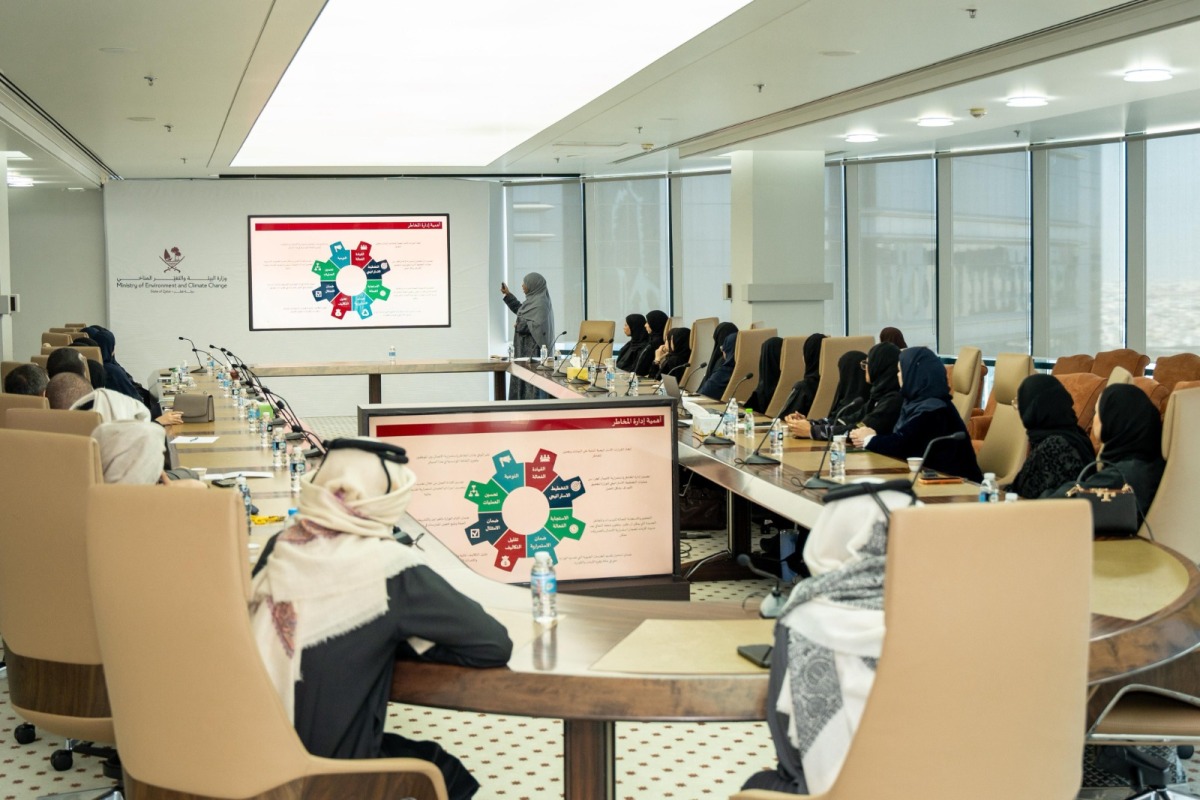

The Ministry of Environment and Climate Change (MECC) in Qatar has initiated a training program for new employees focused on environmental sustainability and the nation’s environmental protection efforts. The series of seminars, launched in Doha, aims to equip incoming staff with the knowledge and skills necessary to fulfill the ministry’s mandate and contribute to Qatar’s long-term environmental goals. This initiative underscores Qatar’s commitment to building a skilled workforce dedicated to preserving its natural resources.
The training program began recently and is being conducted by the environmental affairs sector of the MECC. It is designed for all new hires within the ministry, regardless of their specific department, to ensure a baseline understanding of Qatar’s environmental policies and international obligations. The MECC stated the program is a key component of its human resource development strategy.
Strengthening Qatar’s Environmental Capacity
According to officials, the core purpose of these seminars is to enhance the professional awareness of new employees and integrate them effectively into the ministry’s operations. Yousef Ibrahim Al Hamar, Assistant Undersecretary for Environmental Affairs at the MECC, emphasized the critical role of the environmental affairs sector in safeguarding Qatar’s environment. He also highlighted the importance of meeting commitments outlined in international environmental agreements.
The curriculum covers a broad range of topics, including a detailed overview of the environmental affairs sector’s functions, a comprehensive review of Qatar’s environmental legislation, and an examination of key international treaties and agreements. This includes conventions related to biodiversity, climate change, and pollution control. The ministry aims to provide a holistic understanding of the legal and practical frameworks governing environmental work in Qatar.
Focus on National Vision 2030
The MECC’s training initiative is directly aligned with the goals of Qatar National Vision 2030, a comprehensive roadmap for the country’s future development. A central pillar of the Vision is achieving sustainable development across all sectors, including environmental protection. The ministry believes that a well-trained and knowledgeable workforce is essential to realizing this ambition.
However, Qatar faces unique environmental challenges, including limited freshwater resources, a harsh desert climate, and the impacts of rapid urbanization and industrialization. Addressing these challenges requires specialized expertise and a proactive approach to environmental management. The MECC’s program is intended to foster these qualities in its new employees.
Additionally, the program seeks to promote a culture of environmental responsibility within the ministry and, by extension, throughout Qatar. This involves not only understanding the regulations but also appreciating the importance of environmental stewardship and innovation. The MECC is investing in its staff to ensure they are equipped to tackle emerging environmental issues.
Investing in Human Capital
Developing national talent in the environmental field is a stated priority for the Qatari government. The MECC’s program represents a significant investment in human capital, aiming to reduce reliance on foreign expertise and build a self-sufficient environmental sector. This strategy is consistent with broader efforts to diversify the Qatari economy and empower its citizens.
The training is not a one-time event, but rather a continuous process of professional development. The ministry plans to offer ongoing training opportunities and workshops to ensure that its employees remain up-to-date on the latest environmental technologies and best practices. This commitment to lifelong learning is seen as crucial for maintaining a competitive edge in the field of climate change and environmental management.
Meanwhile, the success of the program will likely be measured by improvements in the efficiency and effectiveness of the MECC’s operations, as well as by the quality of environmental policies and programs implemented in Qatar. The ministry has not yet released specific metrics for evaluating the program’s impact.
Looking ahead, the MECC is expected to announce further details regarding the frequency and scope of these training seminars. The ministry will also likely focus on incorporating more practical, hands-on training components into the program. The long-term impact of this initiative on Qatar’s environmental performance remains to be seen, but it represents a positive step towards a more sustainable future.