
Doha, Qatar – The Ministry of Communications and Information Technology (MCIT) of Qatar has expanded its initiative to integrate artificial intelligence into the government workforce with the launch of the second phase of the Microsoft Copilot adoption program. This follows a successful initial rollout that saw significant gains in efficiency across nine governmental and semi-governmental entities. The program aims to equip Qatari employees with the skills to leverage AI tools in their daily tasks, furthering the nation’s digital transformation goals.
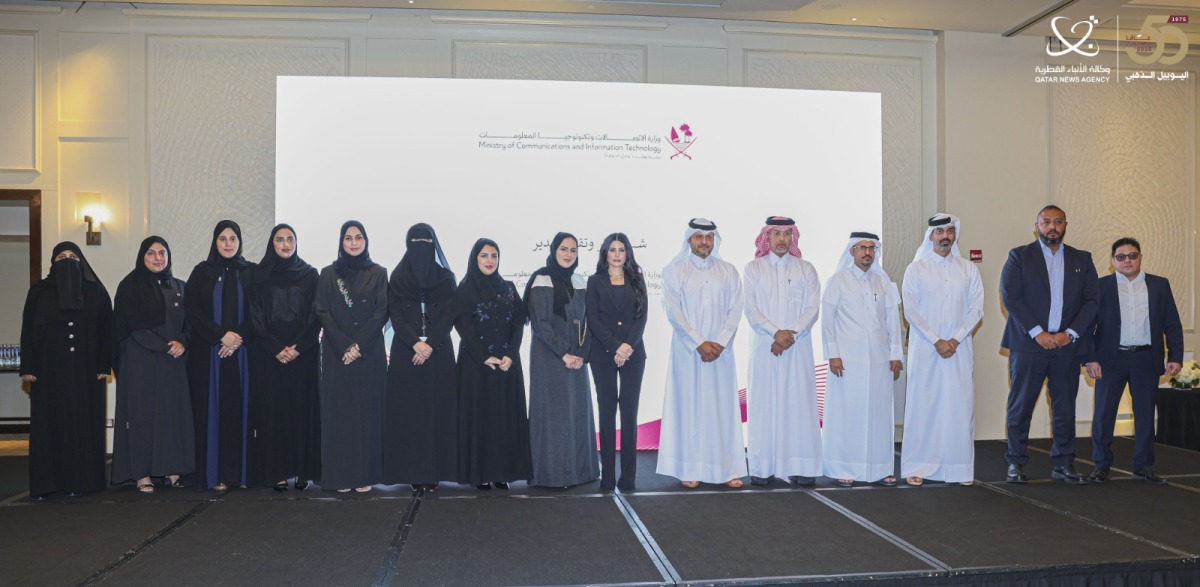
The announcement, made at a ceremony celebrating the graduation of the first cohort, underscores Qatar’s commitment to embracing cutting-edge technology to enhance public services. According to the MCIT, the program’s expansion reflects a positive response and demonstrable benefits from the first phase, paving the way for wider implementation across the public sector.
Significant Results from Phase One of the Microsoft Copilot Program
The first phase of the Microsoft Copilot program, described as the first large-scale experiment of its kind within Qatar’s government, achieved a 62% adoption rate among participating entities. More than 9,000 users actively utilized the AI assistant, completing 1.7 million tasks. This resulted in a reported time savings of over 240,000 working hours, the ministry stated.
These initial successes prompted the MCIT to broaden the program’s reach. The second phase will now include 17 governmental and semi-governmental organizations. Participants will receive specialized training through the Qatar Digital Academy, ensuring they possess the necessary expertise to effectively utilize the AI tools.
Boosting Digital Competitiveness
The deployment of AI tools like Copilot is expected to significantly contribute to Qatar’s competitiveness in international rankings related to digital transformation and government innovation. The MCIT believes that empowering its workforce with these technologies will lead to more efficient operations and data-driven decision-making.
This initiative aligns with Qatar’s Digital Agenda 2030, a strategic framework focused on building a digital society through talent development and fostering innovation. Specifically, the program supports the third national development strategy, which prioritizes the creation of a future-ready workforce capable of utilizing modern technologies to improve the quality of government services.
The collaboration with Microsoft is crucial, ensuring that Qatari professionals have access to the latest advancements in artificial intelligence. Lana Khalaf, General Manager of Microsoft Qatar, emphasized the program’s evolution from a simple tool to an integral part of the work environment, offering substantial added value.
The MCIT highlighted that the program is not merely about adopting technology, but about cultivating a culture of innovation and productivity within the government. The positive feedback from participants in the first phase, who reported improved accuracy and speed in task completion, reinforces this objective. Generative AI is seen as a key component of this shift.
Looking ahead, the second phase will build upon the lessons learned from the initial rollout, with a focus on expanding the scope of success and enhancing the quality of training. The MCIT will leverage data and experiences gathered from the first cohort to optimize the program for the new participants. Further integration of machine learning capabilities is also anticipated.
The next steps involve onboarding the 17 new entities and continuing to monitor the program’s impact on efficiency and service delivery. The MCIT will likely assess the results of the second phase to determine the feasibility of a nationwide rollout of the Microsoft Copilot program, and to identify any challenges or areas for improvement. The timeline for such a decision remains uncertain, but the program’s continued success will be a key factor.