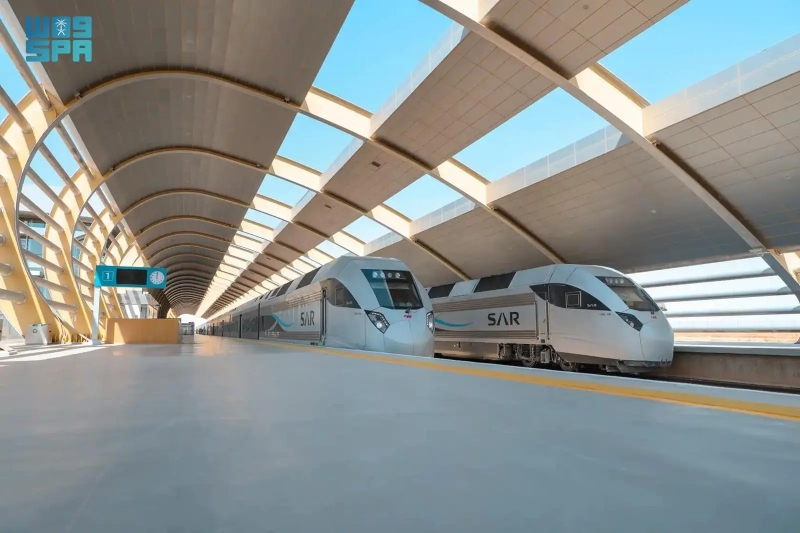

Saudi Arabia Railways (SAR) has issued a tender for the manufacturing of 10 new passenger trains to serve its Northern Network. The announcement signals a significant investment in the Kingdom’s growing rail infrastructure and a commitment to expanding passenger train capacity. Bids are due by May 11, 2026, as per the company’s public tender regulations.
The tender encompasses the complete lifecycle of the new trains, including design, manufacturing, supply, and ongoing fleet maintenance. This initiative is part of SAR’s broader strategy to modernize and enhance rail services throughout Saudi Arabia, aligning with the National Transport and Logistics Strategy and the overarching goals of Saudi Vision 2030.
Expanding Saudi Arabia’s Passenger Train Network
The expansion of the Northern Network’s passenger train fleet is intended to address increasing demand for intercity travel. According to SAR, the new trains will nearly triple the network’s operational capacity, boosting the total number of available seats to over 2.4 million annually. This represents a substantial increase in the ability to move people efficiently between key cities.
The Northern Network currently spans approximately 2,700 kilometers, connecting Riyadh with important regional centers like Al-Majmaah, Qassim, Hail, Al-Jouf, and Al-Qurayyat. Future plans include extending the network further through the addition of new passenger stations, with Al-Zulfi being a prioritized location.
Strategic Alignment with Vision 2030
Saudi Vision 2030 places a strong emphasis on diversifying the Kingdom’s economy and improving infrastructure to support tourism and business travel. The development of a robust and modern railway system is considered crucial to achieving these objectives. The National Transport and Logistics Strategy, launched in 2021, specifically targets increasing the contribution of rail transport to the overall logistics sector.
SAR’s investments are not limited to the Northern Network. The company is concurrently manufacturing another 10 passenger trains for the Eastern Line, demonstrating a nationwide commitment to upgrading rail services. This parallel development suggests a coordinated effort to improve connectivity across the country.
The tender process itself reflects Saudi Arabia’s increasing focus on transparency and regulatory compliance in public procurement. Adherence to approved procedures is a key requirement for potential bidders, ensuring a fair and competitive selection process. This is part of a wider trend of improving governance and attracting foreign investment.
Implications for Intercity Travel and Logistics
The increased capacity on the Northern Network is expected to have a positive impact on intercity travel, offering more convenient and affordable options for residents and visitors. This could potentially reduce reliance on domestic air travel and road transport, contributing to lower carbon emissions.
However, the success of this expansion will depend on several factors, including the timely completion of the new trains and the effective integration of the additional capacity into the existing network. The availability of supporting infrastructure, such as parking and last-mile connectivity at stations, will also be critical.
Beyond passenger transport, a strengthened rail network plays a vital role in facilitating the movement of goods and supporting the Kingdom’s logistics ambitions. Efficient rail freight services can reduce transportation costs and improve supply chain reliability, benefiting businesses and consumers alike. The development of dedicated freight lines is a complementary aspect of the overall strategy.
Industry Response and Potential Bidders
The announcement of the tender has generated interest from international railway manufacturers. Companies with experience in high-speed and long-distance rail transport are likely to submit bids. The scale of the project and the long-term maintenance contract represent a significant opportunity for industry players.
Competition among bidders is expected to be fierce, with factors such as price, technical specifications, and local content requirements influencing the selection process. SAR has indicated a preference for trains that incorporate the latest technologies and meet stringent safety standards. The focus on sustainability and energy efficiency may also be a key consideration.
The tender documents will provide detailed information on the technical requirements, delivery schedules, and evaluation criteria. Potential bidders are encouraged to carefully review the documentation and submit comprehensive proposals. This level of detail is standard for large-scale infrastructure projects in the region.
The modernization of Saudi Arabia’s railway network is a long-term undertaking, and this tender represents a significant milestone. The next step will be the evaluation of bids, followed by the selection of a winning contractor. While the deadline for submissions is May 11, 2026, the actual award of the contract and commencement of manufacturing may take several months after that. Ongoing monitoring of the project’s progress and potential challenges will be crucial to ensuring its successful completion and contribution to the Kingdom’s transportation infrastructure goals.