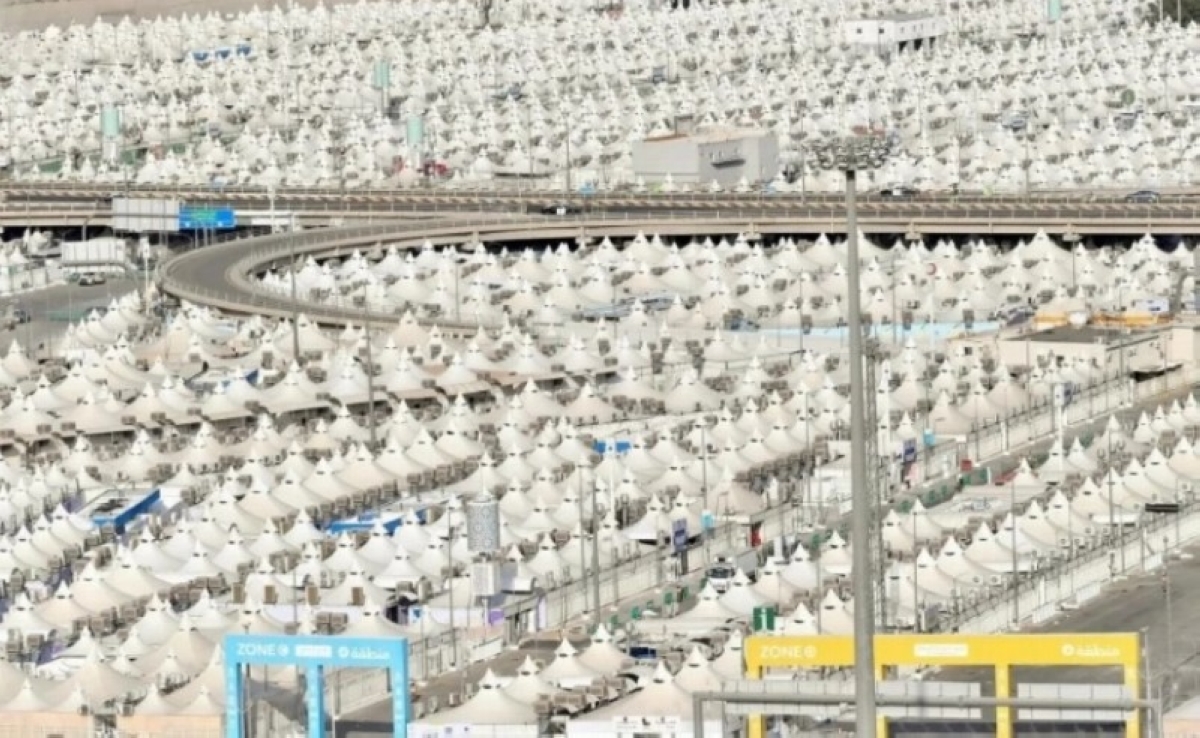

The Royal Commission for Makkah and the Holy Sites has recently published draft regulations intended to standardize and improve Hajj transportation services for pilgrims traveling to and from the holy cities. These proposed rules, unveiled this week, outline requirements for service providers and detail a tiered penalty system for violations, ranging from fines to complete operational bans. The changes aim to ensure the safety, efficiency, and reliability of transport during the annual pilgrimage, which sees millions of visitors.
The regulations will apply to all entities offering transportation for pilgrims within the Makkah and Madinah areas during Hajj season. They establish a permit system managed by guiding centers and specify deadlines for applications and data submission. These measures are being implemented to address past issues related to overcrowded buses and unreliable service that have impacted the pilgrim experience.
Enhancing Pilgrim Safety and Efficiency Through Hajj Transportation Regulations
The core objective of these new regulations is to elevate the quality of services provided to pilgrims. According to the Royal Commission, the rules are designed to minimize disruptions and ensure a comfortable journey for those undertaking Hajj. This includes maintaining a fleet of well-maintained vehicles and providing swift replacements in case of breakdowns.
Application and Permitting Process
Prospective service providers will need to formally apply to participate in Hajj transportation operations annually, beginning on the first day of Jumada al-Thani. The application window will remain open for 60 days, providing ample time for interested parties to submit the necessary documentation. Applicants must specify the number of buses they intend to deploy and demonstrate their ability to meet the Commission’s operational requirements.
Service providers are also mandated to submit comprehensive data and relevant documents to the guiding center by the 15th day of Shawwal each year, with a potential extension to the end of the month if deemed necessary by the center. This data will likely include vehicle registration, insurance details, and driver qualifications, streamlining the approval process.
Vehicle Maintenance and Breakdown Response
A crucial aspect of the regulations focuses on vehicle maintenance. Service providers are obligated to employ a sufficient number of qualified technicians to maintain their bus fleets throughout the Hajj season. Regular maintenance is vital to prevent breakdowns and ensure the safety of passengers.
However, breakdowns are unavoidable. The proposed rules stipulate a swift response to vehicle failures. The regulations require providers to offer an alternative mode of transportation within one hour in urban areas and two hours outside of cities following a breakdown. Should a provider fail to meet these response times, the guiding center will arrange for replacement transport at the provider’s expense.
Penalties for Non-Compliance
To enforce these regulations, the Royal Commission has established a progressive penalty system. Violations of the rules can result in financial penalties ranging from SR150 to SR100,000, depending on the severity of the infraction.
Furthermore, repeated or serious breaches may lead to disqualification from participating in Hajj transportation for a period of one to three seasons. In the most extreme cases, the service provider’s permit to operate could be permanently revoked. This stringent approach highlights the Commission’s commitment to upholding service standards and protecting pilgrim welfare.
These regulations come as part of a broader effort to enhance the overall Hajj experience, addressing concerns about logistical challenges and ensuring the smooth flow of pilgrims. The Saudi government has been investing heavily in infrastructure improvements, including expansions to the Grand Mosque in Makkah and the Prophet’s Mosque in Madinah, as well as upgrades to transportation networks. Maintaining safe and reliable pilgrim transport will support these objectives.
The development of these regulations follows increased scrutiny of transportation arrangements during previous Hajj seasons. Reports have highlighted issues with overcrowding, delays, and the condition of some vehicles. The Ministry of Hajj and Umrah, alongside the Royal Commission, aims to create a more organized and regulated system, fostering greater accountability among service providers.
Beyond the direct impact on transportation companies, these rules are expected to contribute to a more positive experience for pilgrims. A reliable and efficient transport network can alleviate stress and allow pilgrims to focus on the spiritual aspects of their journey. This, in turn, supports Saudi Arabia’s Vision 2030, which includes goals related to improving the quality of life for visitors and residents alike.
Looking ahead, the Royal Commission is expected to finalize the regulations following a period of public consultation and review. Key stakeholders, including transportation companies and Hajj organizers, will likely have an opportunity to provide feedback. The implementation date for the regulations remains to be announced, but it is anticipated to be prior to the next Hajj season. Monitoring the Commission’s response to industry feedback and the final published version of the rules will be crucial for understanding the full scope of the new requirements concerning Hajj services and religious tourism.
The Commission will also need to establish clear processes for inspection and enforcement to ensure the regulations are effectively adhered to. Success will depend on a collaborative approach involving all parties involved in facilitating the Hajj pilgrimage.