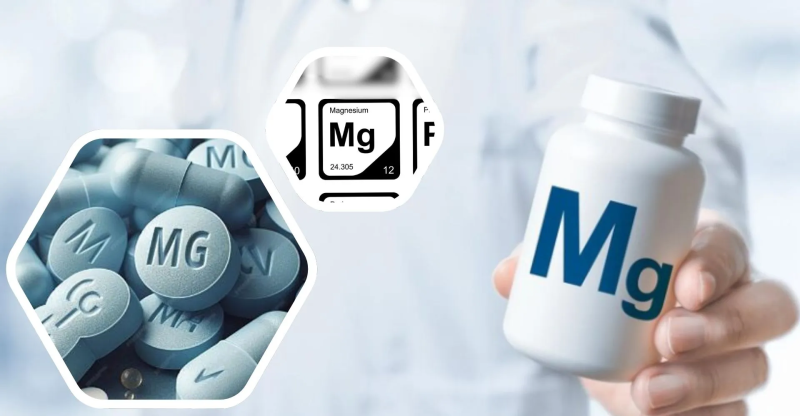

The mineral magnesium is experiencing a surge in popularity as consumers turn to it for relief from sleepless nights, frazzled nerves, and sluggish digestion. London-based supplement manufacturers are boosting production to meet growing demand, driven in part by social media influencers touting magnesium’s benefits.
Magnesium is a vital mineral that powers over 300 biochemical reactions in the body, regulating blood pressure, stabilizing blood sugar, and supporting heart rhythm. According to dietitian Kirsten Jackson, however, the science behind magnesium supplements is not as clear-cut as the marketing claims.
The Science Behind Magnesium Supplements
Magnesium is indeed essential for various bodily functions, including nerve cell communication, which is often linked to mood and sleep. However, experts stress that supplements only work if the individual is deficient in magnesium to begin with. Testing for deficiency is challenging because most magnesium is stored in bones and tissues, not blood.
Nutritionist Kristen Stavridis notes that different types of magnesium supplements, such as magnesium glycinate and magnesium threonate, are often marketed for specific benefits, including improved sleep and brain health. However, she warns that such claims often outpace the available scientific evidence.
Magnesium: A Food-First Approach
Experts recommend a food-first approach to increasing magnesium intake, citing magnesium-rich foods such as seeds, nuts, leafy greens, whole-grain bread, and fruit. These foods provide not only magnesium but also other vital nutrients like vitamin C, fiber, and prebiotics.
Potential Risks of Over-Supplementing
Additionally, over-supplementing with magnesium can cause adverse effects, including diarrhea, nausea, and vomiting. Individuals with kidney disease are particularly at risk, as excess magnesium can lead to dangerously high levels that may cause paralysis or coma.
To avoid these risks, Jackson advises starting with a food-based approach and then, if necessary, taking a supplement at half the recommended dose to gauge its effectiveness. As the magnesium market continues to grow, consumers should be aware of the potential benefits and risks and consult with healthcare professionals before adding supplements to their regimen.
As the £3 billion global magnesium market continues to expand, experts will be watching to see whether the science catches up with the hype. In the meantime, consumers can expect to see ongoing debates about the efficacy of magnesium supplements and the need for more rigorous testing to support marketing claims.