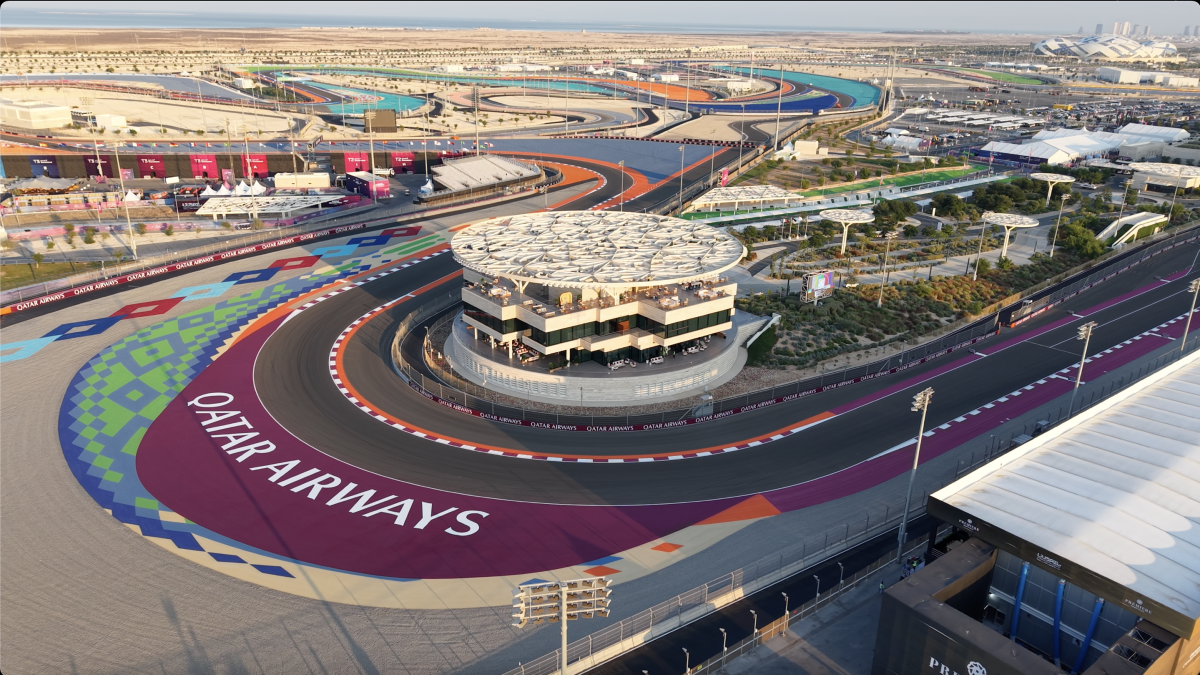

Lusail International Circuit (LIC) in Doha, Qatar, has achieved the prestigious Three-Star Environmental Accreditation from the FIA, marking a significant milestone in sustainable motorsport. This accreditation, the highest level offered by the governing body for motor racing, recognizes LIC’s comprehensive commitment to minimizing environmental impact and maximizing positive social contributions. The accomplishment was highlighted during the recently concluded Formula 1 Qatar Airways Qatar Grand Prix, which prominently featured environmental initiatives.
The circuit distinguishes itself as the only global venue currently hosting Formula 1, MotoGP, and the FIA World Endurance Championship with this top-tier environmental accreditation. This achievement underscores Qatar’s growing dedication to environmentally responsible event hosting and aligns with its National Vision 2030. The circuit’s efforts were also acknowledged by Earthna, with a certificate recognizing LIC’s support of Qatar Sustainability Week 2025.
Advancing Sustainability at the Lusail International Circuit
LIC’s path to Three-Star accreditation involved a holistic approach encompassing energy management, waste reduction, water conservation, and biodiversity enhancement. Months of preparation preceded the Qatar Grand Prix, including the QatarGP Educational Tour, which introduced over 1,000 students to the operational aspects of motorsports. This initiative aimed to inspire the next generation of professionals in the field while fostering an understanding of sustainable practices.
Environmental Initiatives in Action
Demonstrating a proactive stance towards ecological preservation, LIC staff engaged in mangrove planting at Al Thakhira, actively contributing to coastal biodiversity. Strategic partnerships with institutions like the University of Doha for Science and Technology expanded internship opportunities in crucial areas, reflecting a commitment to local talent development. Additionally, the circuit continues to expand its green spaces, aiming to double total green coverage by 2027, having already integrated 2,500 native trees, and 30,000 drought resistant plants and shrubs.
Real-time monitoring systems are now operational throughout the circuit, logging data on air quality, noise levels, and weather conditions. This data-driven approach allows LIC to analyze performance and implement targeted improvements. Renewable energy sources are at the forefront, with a 1.23 megawatt rooftop solar array generating approximately 3 million kilowatt hours annually. Solar-powered lighting is utilized for pathways and parking, and hybrid generators support event power needs.
The transition to a low-emission fleet is also underway, with electric vehicles – including buggies, fan shuttles, operational cars, waste trucks, and forklifts – becoming increasingly prevalent. Dedicated EV charging stations provide the necessary infrastructure. Furthermore, 100% of the shuttles connecting the Metro station to the circuit are electric, supporting eco-friendly transportation options. Energy-efficient LED lighting and display technology also contribute to reducing the facility’s carbon footprint.
Enhancing Fan Experience and Community Engagement
Beyond environmental stewardship, LIC prioritized accessibility and community involvement during the Grand Prix. A dedicated sensory room was established in the FanZone to provide a calming environment for visitors with diverse needs. In a first for Formula 1, a commentary booth was adapted to accommodate families with specific accessibility requirements. A customized pit walk engaged approximately 25 students with additional learning needs.
Amenities were further improved with the inclusion of free water refill stations, hydration points using 100% recycled rPET bottles, mobility assistance, and complimentary sunscreen. Community participation was substantial, with 665 volunteers from 107 nationalities – 66% male and 34% female – supporting event operations. The Sustainability Volunteers Team actively encouraged eco-conscious behavior among fans through educational games and waste segregation guidance.
Transportation was a key focus, with complimentary electric shuttles and Metro access offered to attendees, staff, volunteers, and interns. This resulted in over 62,000 fans utilizing these low-carbon transportation options over the three-day event, a significant increase compared to previous years. Waste management practices also saw substantial advancements, with 90% of tickets being digitized, avoiding 2.5 metric tons of CO2 emissions.
The circuit implemented innovative waste recycling initiatives, turning event banners into tote bags and processing food waste into compost via BioBins. An 86.6% recycling segregation rate was achieved, aligning with Qatar’s national targets. Surplus food waste was reduced by 95% compared to last year, and 400 kg of remaining non-perishable items were donated to families in need through local partner Wa’hab.
Looking ahead, LIC will continue to refine its sustainability practices and expand its environmental programs. The circuit is aiming to further reduce its per-capita carbon footprint and provide a benchmark for motorsport sustainability globally. Ongoing monitoring of environmental parameters and analysis of event data will inform future enhancements, alongside a continued focus on environmental performance and community engagement. The next major assessment is expected in early 2026 to maintain FIA Three-Star status.