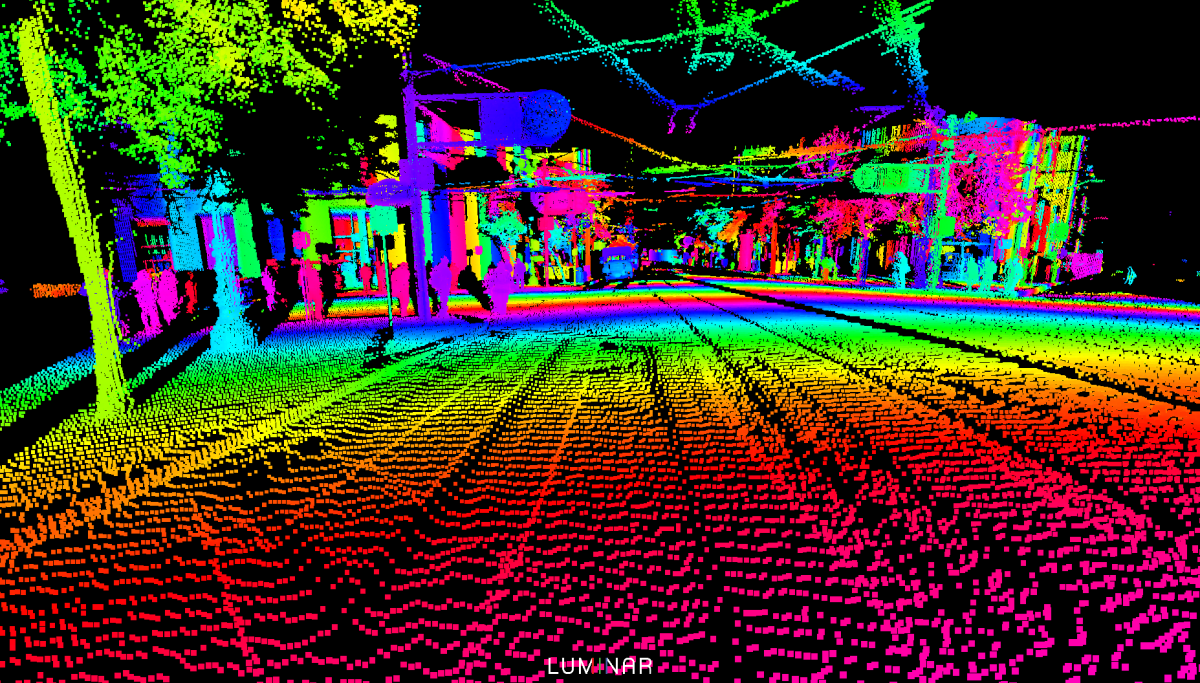

Luminar Technologies is seeking higher bids for its lidar business, after agreeing to a sale to Quantum Computing Inc. for $22 million. The deal, part of Luminar’s Chapter 11 bankruptcy proceedings, is subject to a Monday deadline for competing offers. This potential sale marks a significant downturn for the once high-flying autonomous vehicle technology company, which filed for bankruptcy in December after struggling to secure large-scale automotive contracts.
The proposed sale to Quantum Computing Inc. follows a previous agreement to sell Luminar’s semiconductor business to the same company for $110 million. Both transactions require approval from the bankruptcy judge overseeing the case in the Southern District of Texas. Quantum Computing Inc. is currently acting as a “stalking horse bidder,” setting a floor for potential auction prices.
The Fall of a Lidar Leader
Luminar’s current predicament represents a dramatic shift from its peak valuation in 2021, when the company boasted a market capitalization of approximately $11 billion. This valuation was largely fueled by optimistic projections surrounding the adoption of its lidar sensors by major automakers. However, those expectations have largely failed to materialize.
The company’s struggles began with the cancellation of a planned order for over 1 million sensors from Volvo in 2025. Subsequent deals with Mercedes-Benz and Polestar also fell through, leaving Luminar without the revenue streams needed to sustain its operations. These setbacks ultimately led to the Chapter 11 filing, seeking to restructure its debts and potentially find a buyer for its assets.
Internal Investigations and Legal Challenges
Adding another layer of complexity to the bankruptcy proceedings, Luminar is attempting to subpoena information from its founder and former CEO, Austin Russell. The company is evaluating potential legal claims against Russell stemming from an ethics inquiry conducted by the board of directors that preceded his resignation in May. Russell had previously expressed interest in acquiring the entire company before the bankruptcy filing.
The subpoena seeks data from Russell’s cell phone, according to reports. The nature of the alleged ethical concerns remains largely undisclosed, but they appear to be related to financial dealings and company governance. The outcome of this investigation could significantly impact the bankruptcy process and any potential recovery for creditors.
Quantum Computing Inc.’s Unusual Path
Quantum Computing Inc., the current buyer, has a surprisingly different origin story than the advanced technology companies typically associated with autonomous driving. Originally founded in 2001 as Ticketcart, a retailer of ink-jet cartridges, the company underwent a significant transformation over the years.
In 2007, Quantum Computing Inc. acquired a beverage company before restructuring a decade later and pivoting towards optic technology for the emerging field of quantum computing. Despite raising over $700 million through share sales in 2025, the company’s revenue has remained relatively low, reporting just $384,000 for the first nine months of last year.
The company’s interest in Luminar’s lidar assets suggests a potential diversification strategy or a belief in the long-term value of the technology, even if its initial application in the automotive sector has stalled. Analysts suggest the acquisition could provide Quantum Computing Inc. with valuable intellectual property and engineering talent.
Implications for the Lidar Industry
Luminar’s struggles and the low valuation of its assets have broader implications for the lidar industry. The company was once considered a frontrunner in the development and commercialization of solid-state lidar technology, a key component for enabling advanced driver-assistance systems (ADAS) and fully autonomous vehicles.
The failed automotive partnerships and subsequent bankruptcy raise questions about the pace of adoption for lidar in the automotive market. While the technology offers significant advantages in terms of perception and safety, its high cost and complexity have proven to be barriers to widespread implementation.
However, the demand for lidar is growing in other sectors, including robotics, industrial automation, and mapping. This diversification of applications could provide a lifeline for lidar companies like Luminar, even if the automotive dream doesn’t fully materialize.
The next critical step is the deadline for competing bids, 5:00 p.m. CT on Monday. Whether Luminar receives higher offers remains uncertain, but the outcome will significantly influence the final sale price and the future of the company’s lidar technology. The bankruptcy judge’s approval of any sale is also a key factor to watch, as is the resolution of the subpoena issued to Austin Russell and the findings of the ethics inquiry. The situation highlights the risks and challenges inherent in the rapidly evolving autonomous vehicle technology landscape.