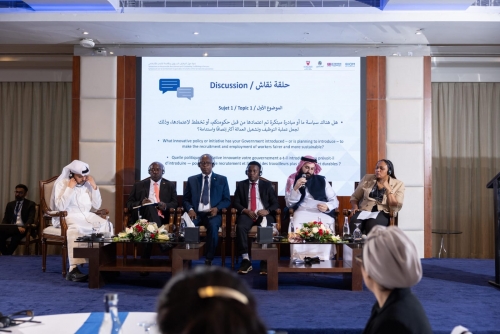

The Kingdom of Bahrain recently hosted a pivotal symposium focused on responsible recruitment and the urgent need to combat human trafficking. Organized by the Labour Market Regulatory Authority (LMRA), in collaboration with the International Organisation for Migration (IOM) and the Executive Bureau of the GCC Ministers of Labour and Social Affairs, the two-day event underscored a growing international commitment to ethical labor practices and worker protection. This initiative highlights Bahrain’s dedication to fostering a fair and safe labor environment, particularly within the crucial recruitment corridors connecting the Gulf Cooperation Council (GCC) with the East and Horn of Africa.
Strengthening Regional Cooperation on Responsible Recruitment
The symposium, titled “Fostering Collaboration between the Gulf Cooperation Council and East and Horn of Africa,” brought together over 120 key stakeholders from January 18th to 19th. Participants included government officials, representatives from recruitment agencies, private sector leaders, and experts from technical and vocational education and training institutions. The diverse representation facilitated a comprehensive dialogue on the challenges and opportunities surrounding labor migration and the prevention of exploitation.
The core aim of the event was to solidify cross-regional cooperation, promoting ethical and responsible recruitment practices, decent work conditions, and enhanced skills mobility. A significant focus was placed on reinforcing safeguards against all forms of human trafficking, recognizing the complex nature of these crimes and the need for a multi-faceted approach.
Addressing Risks Across the Recruitment Cycle
His Excellency Nibras Talib, CEO of the LMRA and Chairman of the National Committee for Combating Trafficking in Persons, emphasized the shared responsibility inherent in ensuring ethical recruitment. He stated that the symposium was a demonstration of a “collective commitment to promoting ethical and responsible recruitment practices, strengthening the protection of workers’ rights, and enhancing cross-border cooperation.”
Talib further highlighted the importance of addressing risks throughout the entire recruitment and employment cycle. He noted that exploitative practices often originate in countries of origin or transit, making strengthened collaboration between the GCC and the East and Horn of Africa absolutely essential. This collaboration is vital for improving recruitment systems, bolstering worker protection, and advancing decent work aligned with international standards.
Aligning Skills with Labor Market Needs
Mohammed bin Hassan Al Obaidli, Director General of the Executive Bureau, underscored the GCC countries’ commitment to aligning workforce skills with evolving labor market demands. This involves substantial investment in training programs, the adoption of objective professional standards, and a system where wages are directly linked to competency and demonstrated skills.
These initiatives are designed to foster human capital development and support pathways toward sustainable economic and social progress. By prioritizing skills development, the GCC aims to create a more attractive and equitable labor market for both its citizens and migrant workers. This focus on labor migration also contributes to reducing vulnerabilities that can lead to exploitation.
The Role of International Frameworks
Aishath Ihma Shareef, IOM Chief of Mission in Bahrain, emphasized the importance of building trust and resilience within labor markets through responsible recruitment. She stated that aligning regional efforts with established international frameworks is crucial for supporting ethical recruitment practices. The IOM plays a vital role in providing technical assistance and promoting best practices in migration management, ensuring that labor mobility is safe, orderly, and humane.
Combating Human Trafficking: A Shared Responsibility
The symposium served as a crucial platform for sharing best practices and identifying areas for improvement in the fight against human trafficking. Discussions centered on strengthening legal frameworks, enhancing law enforcement cooperation, and providing comprehensive support to victims of trafficking.
Additionally, the event addressed the importance of empowering migrant workers with information about their rights and available resources. This includes access to legal assistance, safe housing, and psychosocial support. Effective worker protection requires a holistic approach that addresses both the root causes of vulnerability and the immediate needs of those who have been exploited.
Looking Ahead: Sustaining Momentum on Ethical Labor Practices
The Bahrain symposium represents a significant step forward in fostering regional cooperation on responsible recruitment and combating human trafficking. The commitment demonstrated by the participating countries and organizations signals a growing recognition of the importance of ethical labor practices.
Moving forward, it is crucial to sustain the momentum generated by this event through continued dialogue, collaborative initiatives, and a steadfast commitment to protecting the rights and dignity of all workers. Further investment in skills development, strengthened legal frameworks, and enhanced law enforcement cooperation will be essential to creating a truly fair and safe labor market for all. The success of these efforts will ultimately contribute to sustainable economic and social development across the GCC and the East and Horn of Africa.