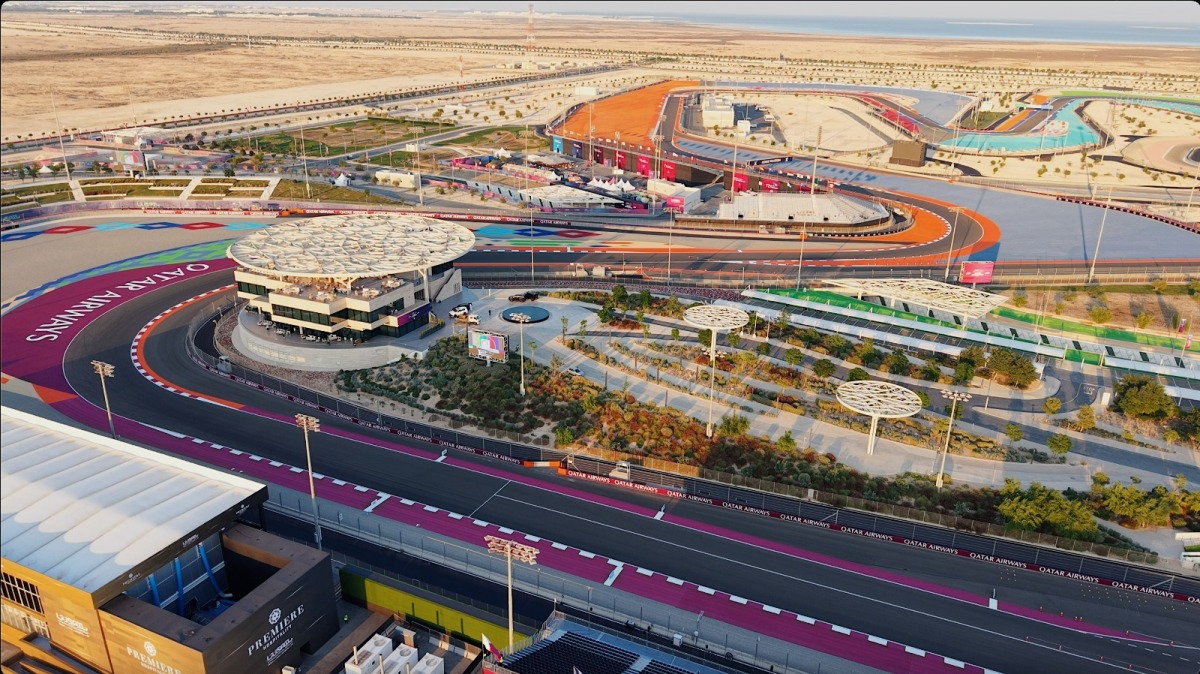

The 2025 Formula 1 Qatar Airways Qatar Grand Prix concluded with significant recognition for its commitment to sustainability, accessibility, and community involvement. Lusail International Circuit (LIC) was awarded the prestigious Three-Star Environmental Accreditation from the FIA, the highest level of recognition for environmental performance. This achievement underscores Qatar’s growing dedication to responsible event hosting and aligns with Formula 1’s broader environmental goals.
The race, held in Doha, Qatar, showcased a range of initiatives designed to minimize environmental impact and maximize positive social contributions. These efforts, implemented throughout the event and at the LIC facility, demonstrate a proactive approach to sustainable practices within the motorsport industry. The FIA accreditation highlights the success of these programs.
Sustainability Takes Center Stage at the Qatar Grand Prix
LIC distinguished itself as the only venue globally to hold the FIA Three-Star Environmental Accreditation for hosting Formula 1, MotoGP, and the FIA World Endurance Championship. This accomplishment is a direct result of months of preparation and investment in eco-friendly infrastructure and operational procedures. The circuit’s dedication is also consistent with Qatar’s National Vision 2030, which prioritizes environmental sustainability.
Renewable Energy and Waste Reduction
A key component of the sustainability strategy was the implementation of renewable energy systems. A 1.23 megawatt rooftop solar array generated 3 million kilowatt hours of electricity annually, powering aspects of the event. Solar-powered lighting illuminated pathways and parking areas, and hybrid generators were utilized to further reduce reliance on traditional power sources.
Furthermore, the event focused heavily on waste management. Digital ticketing reduced paper waste by 2.5 metric tons of CO2, and a remarkable 86.6% recycling segregation rate was achieved. Event banners were repurposed into tote bags, food waste was composted using BioBins, and 100% recycled paper was used for necessary printing. Single-use plastics were entirely banned throughout the venue.
Green Infrastructure Development
Beyond energy and waste, LIC has invested significantly in green infrastructure. The circuit currently features 2,500 native trees, 30,000 drought-resistant plants and shrubs, and extensive ground and rooftop coverage. Plans are underway to double the total green coverage at the facility by 2027, further enhancing its environmental profile and contributing to local biodiversity, as demonstrated by mangrove planting initiatives at Al Thakhira.
Enhanced Accessibility and Community Engagement
The 2025 Qatar Grand Prix also prioritized inclusivity and community engagement. A dedicated sensory room was provided in the FanZone for visitors with diverse learning needs, offering a calm and supportive environment. Notably, a commentary booth was adapted to accommodate families with specific needs, a first for Formula 1 events. A customized pit walk engaged approximately 25 students with additional learning needs, providing an immersive experience.
Community involvement was substantial, with 665 volunteers from 107 nationalities contributing to event operations. Approximately 66% of the volunteers were male, and 34% were female, reflecting a diverse and engaged workforce. Sustainability Volunteers actively educated fans about eco-responsibility through interactive games and demonstrations.
Transportation to and from the circuit was also designed with sustainability and accessibility in mind. Complimentary electric shuttles and access to the metro system were offered to ticket holders, staff, volunteers, and interns, minimizing carbon emissions and easing traffic congestion. The event also provided internship opportunities with the University of Doha for Science and Technology.
The success of the 2025 Qatar Grand Prix in these areas has positioned the country as a leader in sustainable motorsport event hosting. Looking ahead, LIC will continue to refine its environmental practices and expand its community engagement programs. Further improvements in waste reduction, particularly regarding food waste, and the continued expansion of green spaces are expected. The long-term impact of these initiatives on Qatar’s environmental goals and the broader Formula 1 calendar remains to be seen.