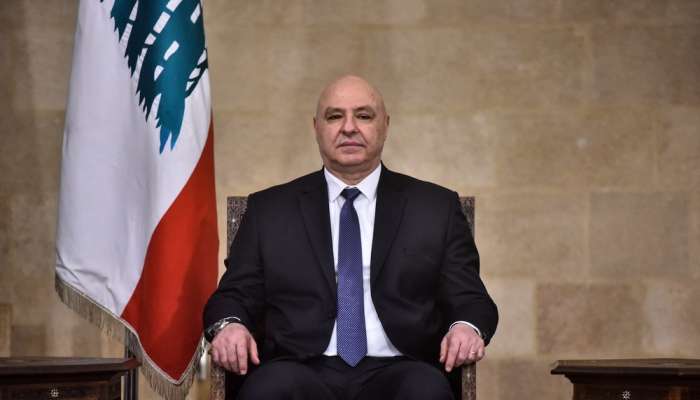

The upcoming official visit to Oman by Lebanese President General Joseph Aoun signals a strengthening of ties between the two nations and a commitment to collaborative progress. Scheduled for Tuesday and Wednesday, December 9th and 10th, 2025, this visit is poised to address critical regional and international issues, as well as explore avenues for deeper economic and political cooperation. This trip underscores Oman’s continued role as a key mediator and partner in promoting stability across the Arab world, and particularly its relationship with Lebanon.
Strengthening Oman-Lebanon Relations: A Historic Visit
The Diwan of Royal Court officially announced President Aoun’s official visit to Oman, highlighting the “distinguished fraternal relations” that exist between the Sultanate of Oman and the Lebanese Republic. This characterization isn’t merely diplomatic rhetoric; it reflects a longstanding history of mutual respect and support. The visit isn’t occurring in isolation; it’s a deliberate step to further enhance these bonds and translate them into tangible benefits for both countries. Historically, Oman and Lebanon have maintained positive relations, built on shared cultural heritage and political goals.
This heightened diplomatic activity arrives at a crucial juncture for Lebanon, which continues to navigate complex economic and political challenges. Oman, known for its stable and neutral foreign policy, offers a valuable partner for Lebanon in seeking regional and international support. The visit is likely to focus on potential investment opportunities for Oman in Lebanon and ways to alleviate some of the economic pressures currently faced by the Lebanese people.
The Importance of Regional Alignment
Beyond bilateral concerns, the discussions between Omani and Lebanese leadership are expected to center on broader Arab issues. Both nations share a commitment to peaceful resolutions and collaborative efforts to address shared challenges. This includes finding common ground on issues related to counter-terrorism, maritime security, and the overall stability of the Middle East. Arab diplomacy will undoubtedly be a key theme during the two-day discussions.
Oman’s role as a facilitator of dialogue is well-established. It has previously played a constructive part in mediating conflicts and fostering understanding between opposing parties. Lebanon, despite its internal difficulties, also values constructive engagement and seeks to contribute to a more peaceful regional environment. The synergy between these two approaches provides a strong foundation for productive conversations.
Key Discussion Points During the Official Visit
While the full agenda remains undisclosed, a statement from the Diwan of Royal Court suggests several core areas will be addressed during President Aoun’s official visit to Oman. These extend beyond merely reaffirming existing relationships. Expect a comprehensive review of cooperation initiatives already underway, alongside exploration of new partnerships.
Economic cooperation and investment are likely to be paramount. Lebanon possesses a skilled workforce and a private sector eager for revitalization, while Oman has substantial financial resources and a diversification strategy that could benefit from opportunities in Lebanon. Potential sectors for investment could include tourism, infrastructure, and technology.
Furthermore, regional geopolitical dynamics – including the ongoing conflicts in Syria and Yemen, and the evolving situation in Palestine – will almost certainly feature prominently in the talks. Discussions are expected to revolve around coordinated efforts to mitigate the humanitarian consequences of these crises and promote lasting political solutions. The leaders will likely seek to leverage their respective influence to encourage de-escalation and constructive dialogue.
Focus on Mutual Prosperity
The statement from the Diwan of Royal Court explicitly mentions the aim of achieving “further progress and prosperity” for both countries and fulfilling their “common interests.” This underscores the pragmatic nature of the visit. It’s not simply about symbolic gestures, but about identifying concrete steps that can lead to tangible improvements in the lives of citizens in both Oman and Lebanon. Exploring potential trade agreements, workforce development programs, and cultural exchange initiatives could all fall under this umbrella.
The visit also holds significance in the context of broader international relations. Both Oman and Lebanon maintain relationships with a diverse range of global powers. Coordinating their diplomatic efforts can amplify their voices on the international stage and strengthen their collective bargaining position. International partnerships could become a crucial component of a strengthened relationship.
Looking Ahead: The Impact of Strengthened Ties
President Aoun’s official visit to Oman represents a significant opportunity to reinvigorate the relationship between these two Arab nations. The discussions are expected to pave the way for increased collaboration in various fields, ranging from economics and security to culture and education. Successful outcomes could have a ripple effect, contributing to greater stability and prosperity across the wider region.
The visit’s success will depend on the ability of both sides to build on existing trust and identify mutually beneficial projects. A clear commitment to implementation, coupled with sustained diplomatic engagement, will be crucial for translating the aspirational goals articulated in the official statement into concrete results. It will be important to watch for follow-up announcements in the weeks and months after the visit regarding specific agreements and initiatives.
Ultimately, this official visit to Oman is a testament to the enduring power of diplomacy and the shared desire for a more peaceful and prosperous future for Oman, Lebanon, and the entire Arab nation. It serves as a reminder that even amidst challenging circumstances, constructive dialogue and collaboration remain essential tools for addressing complex issues and building bridges between nations.