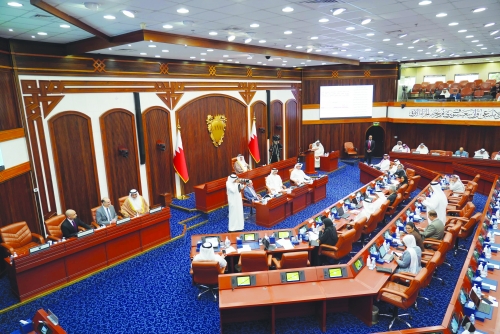

The debate surrounding Bahrain visa regulations is intensifying, as lawmakers push for stricter controls to prioritize employment opportunities for Bahraini citizens. A proposed amendment to the 1965 Aliens (Immigration and Residence) Law aims to prevent the conversion of entry visas into work permits, a practice the government argues is already sufficiently managed. This legislative effort highlights the ongoing tension between attracting foreign workers and safeguarding the national labor market.
Proposed Law Aims to Tighten Bahrain Visa Regulations
Members of Parliament (MPs) are advocating for a clear legal barrier against converting visit visas into work permits. They believe this change is crucial to address rising unemployment rates among Bahrainis and ensure citizens are given precedence in the job market. The draft law, scheduled for discussion next Tuesday, seeks to explicitly prohibit a practice lawmakers fear is eroding opportunities for nationals.
Concerns Over National Employment
The core argument driving the proposed amendment centers on protecting the livelihoods of Bahraini citizens. Supporters contend that the current system, while having some safeguards, is susceptible to loopholes that allow individuals to enter the country on visit visas with the intention of seeking employment. This, they argue, undercuts the efforts to create a robust and sustainable job market for Bahrainis.
Government Objects, Citing Existing Laws
The government, however, strongly objects to the proposed amendment, asserting that existing legislation already adequately addresses the issue. Officials maintain that the 1965 Aliens Law, coupled with subsequent ministerial decisions, effectively prevents the unauthorized conversion of visas. They believe a complete ban would be unnecessary and potentially counterproductive.
Existing Regulations and Monitoring
The Interior Ministry points to a 1976 decision requiring a no-objection certificate from the Labour Market Regulatory Authority (LMRA) or sponsorship by a state body before a non-Bahraini can work in Bahrain. Furthermore, embassies are instructed not to issue visit visas to individuals suspected of intending to work. A 2024 decision further tightened regulations, eliminating the conversion of visit visas to work or dependent visas without a sponsor and introducing a 250-dinar fee for conversions with a sponsor.
The Ministry reports these measures have already yielded significant results, reducing visit-to-work conversions by over 87%. They also warn that a full ban could create difficulties for families seeking to legally employ domestic workers. The LMRA emphasizes that conversions are already subject to stringent conditions and are jointly monitored with the Interior Ministry, ensuring compliance with Bahrain’s labor laws.
Shura Council Review and Parliamentary Response
The proposed amendment has faced a complex path through Bahrain’s legislative process. While Parliament initially responded favorably to the call for stricter visa controls, the Shura Council raised objections and returned the bill for a second review. This prompted the Foreign Affairs, Defence and National Security Committee to urge MPs to reaffirm their initial vote, signaling continued support for the amendment.
Potential Impact on Foreign Workers
A key point of contention revolves around the potential impact on foreign workers already in Bahrain. While the government argues the existing framework is sufficient, lawmakers fear that without a clear legal prohibition, the practice of visa conversion will continue to undermine national employment goals. This debate also touches upon the broader issue of foreign workforce management in Bahrain.
Article 18 and Legal Considerations
The government’s opposition also stems from concerns about potential conflicts with Article 18 of the 1965 Aliens Law. This article grants the state the authority to issue residence permits to foreigners who can financially support themselves or have secured employment. A complete ban on visa conversion, the government argues, could be interpreted as a violation of this provision.
The debate highlights the delicate balance between attracting skilled foreign labor, which is vital for certain sectors of the Bahraini economy, and protecting the rights and opportunities of its citizens. Finding a solution that addresses both concerns remains a key challenge for policymakers.
In conclusion, the proposed amendment to Bahrain’s visa regulations represents a significant effort to prioritize national employment. While the government believes existing laws are adequate, lawmakers remain convinced that a clear legal prohibition on visa conversion is necessary to safeguard opportunities for Bahraini citizens. The ongoing debate underscores the importance of carefully balancing economic needs with the imperative of protecting the national labor market and ensuring effective immigration policies in Bahrain. The outcome of next Tuesday’s discussion will be crucial in shaping the future of visa regulations and their impact on both citizens and foreign workers.