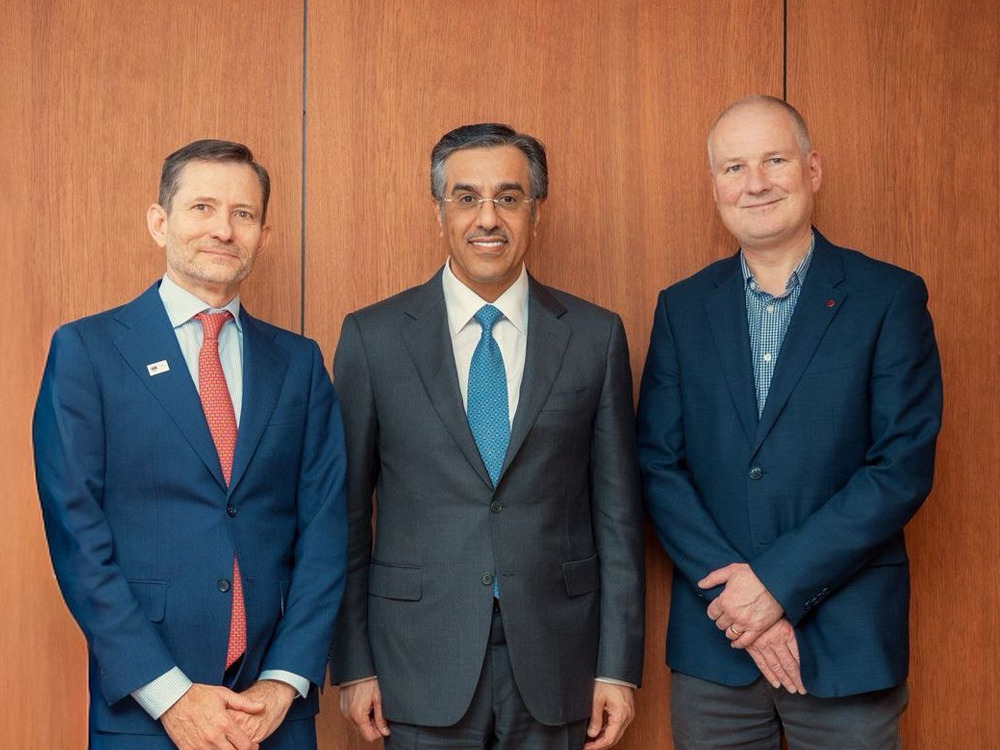

Qatar’s Minister of Labour, HE Dr. Ali bin Samikh Al Marri, engaged in discussions with leaders of the International Organisation of Employers (IOE) in Geneva, Switzerland, on Thursday. The meetings, held on the sidelines of the International Labour Organization (ILO) Board of Directors meetings, focused on strengthening labor cooperation between Qatar and the global employer organization. These talks signal Qatar’s continued engagement with international bodies as it progresses with its labor reforms.
The Minister met with IOE Secretary-General, HE Roberto Suarez Santos, and Vice-Chair of the Board of Directors for Employers, HE Mathias Thurnes. Discussions centered on identifying new opportunities for collaboration and bolstering existing partnerships to support the development of Qatar’s workforce and business environment. The meetings took place as the ILO Board of Directors convened for its ongoing session.
Qatar and the IOE: Expanding Labor Cooperation
The State of Qatar has been actively working to enhance its labor laws and practices in recent years, particularly in preparation for and following hosting the FIFA World Cup 2022. This has involved reforms related to worker rights, wages, and working conditions. The IOE, representing businesses globally, is a key partner in these efforts, offering expertise and a platform for dialogue on best practices in employment standards.
According to the Ministry of Labour, the discussions with the IOE focused on practical ways to implement these reforms and ensure their sustainability. This includes initiatives aimed at improving occupational safety and health, promoting fair recruitment practices, and enhancing access to justice for workers. The Ministry emphasized Qatar’s commitment to creating a modern and inclusive labor market.
Areas of Potential Collaboration
Several specific areas for increased collaboration were identified during the meetings. These reportedly include:
Joint training programs designed to upskill the Qatari workforce and meet the evolving needs of the economy. Such programs could focus on technical skills, digital literacy, and leadership development.
Knowledge sharing on innovative approaches to labor dispute resolution. The IOE can provide insights into successful models used in other countries, potentially streamlining Qatar’s processes.
Collaboration on initiatives to promote responsible business conduct and ethical labor practices. This aligns with Qatar’s broader efforts to attract foreign investment while upholding high standards of worker welfare.
However, challenges remain in fully implementing and enforcing the new labor laws. Ensuring consistent application across all sectors and addressing issues related to migrant worker recruitment are ongoing priorities. The involvement of organizations like the IOE is seen as crucial in overcoming these hurdles.
Meanwhile, Qatar’s engagement with the ILO has been extensive. The ILO has maintained a project office in Doha since 2019, providing technical assistance and monitoring the implementation of labor reforms. This ongoing partnership demonstrates Qatar’s willingness to subject itself to international scrutiny and accountability. The recent discussions with the IOE complement this broader relationship with the ILO.
In contrast to previous years, Qatar has actively sought to engage with international stakeholders to demonstrate its commitment to improving labor conditions. This proactive approach has been welcomed by many, including labor rights groups and international organizations. The country’s willingness to address concerns and implement reforms is a significant shift in policy.
The focus on workforce development is also a key component of Qatar’s National Vision 2030, which aims to diversify the economy and build a knowledge-based society. Investing in human capital is seen as essential to achieving these long-term goals. Collaboration with the IOE can help Qatar leverage global expertise in this area.
Looking ahead, the Ministry of Labour is expected to continue working with the IOE to develop concrete action plans based on the discussions held in Geneva. The timeline for these plans remains unclear, but officials have indicated a desire to move quickly. Further details regarding specific projects and initiatives are anticipated in the coming months. Monitoring the progress of these collaborations and the continued implementation of labor reforms will be crucial in assessing the long-term impact on Qatar’s labor market.
The next ILO Board of Directors meeting is scheduled for March 2024, where further updates on Qatar’s labor reforms and the ongoing collaboration with the IOE may be presented. It remains to be seen how these partnerships will evolve and contribute to a more equitable and sustainable labor environment in Qatar.
International Labour Organization
International Organisation of Employers
Ministry of Labour (Qatar)