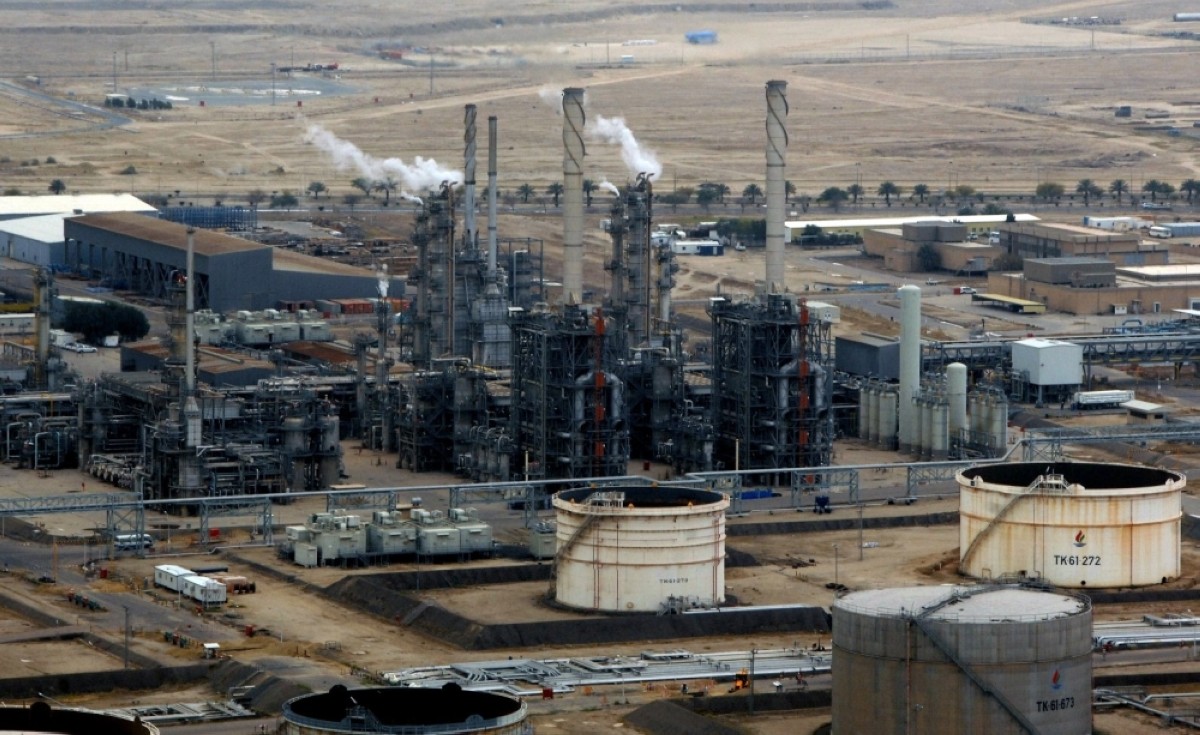

The recent, unexpected political shift in Venezuela, marked by the capture of President Nicolas Maduro by US forces, has sent ripples through global energy markets. While the immediate reaction saw some price fluctuations, leading oil market analysts believe a substantial, near-term impact on global oil supply is unlikely. The focus now shifts to the potential for long-term reconstruction of Venezuela’s crippled oil industry under the auspices of US companies, but even this scenario is predicted to take years to materialize.
Understanding the Limited Short-Term Impact on Oil Prices
The initial shockwaves were visible in overnight trading on Sunday, with US crude (West Texas Intermediate) experiencing volatility. It initially dipped, recovered, and ultimately closed up 0.3 percent. Brent crude mirrored this pattern, rising 0.2 percent. This reaction illustrates the immediate tension between geopolitical uncertainty – often a price-boosting factor – and the hope of increased crude supply from Venezuela. However, experts are tempering expectations for a swift surge in output.
Several factors contribute to this restrained outlook. As pointed out by Energy consultant Jamal Al-Gharabli, “Venezuela’s production is constrained by sanctions, aging infrastructure and underinvestment in its oil fields.” Existing US sanctions on Venezuelan oil remain firmly in place, limiting any immediate influx into the global market. Even if these sanctions were lifted, the state of the Venezuelan oil infrastructure is so dilapidated that a quick turnaround is simply not feasible.
Furthermore, the coordinated efforts of OPEC+ are playing a crucial role in stabilizing the market. Al-Gharabli highlights that “OPEC+ cohesion helps buffer markets from sudden geopolitical shocks.” The group’s commitment to managing production provides a level of security that mitigates the potential for radical price swings caused by events like this.
Kuwait’s Perspective: Stability and Long-Term Vision
Kuwait, a key player in the global oil landscape through its membership in OPEC+, has publicly emphasized its commitment to maintaining energy market stability. Oil Minister Tareq Al-Roumi reiterated this stance on Monday, underscoring the importance of continued collaboration within the OPEC+ framework for global economic recovery.
Kuwait’s own production has remained relatively consistent, averaging 2.58 million barrels per day since December. Al-Roumi specifically noted the recent decision by the eight-member group to uphold current production levels for February and March, a clear signal of their dedication to supply security. This proactive approach demonstrates a commitment to preventing drastic fluctuations in crude oil supply.
Potential for Future Venezuelan Production
While acknowledging the current constraints, analysts recognize the potential for Venezuela to become a more significant oil producer in the future, contingent on substantial investment and reconstruction. Dr. Firas Al-Salem, chairman of the Kuwaiti Business Council in Dubai, suggests that Maduro’s removal could unlock US investment, potentially increasing production to over three million barrels per day, a significant jump from the current output of around one million.
However, he firmly stresses that this is a long-term projection. “Such changes would take years and would not immediately affect global prices.” The logistical challenges, the need to repair and modernize infrastructure, and the complexities of restarting operations in previously neglected oil fields all contribute to this lengthy timeline.
Differing Reactions: Canada and the Specifics of Venezuelan Crude
The news wasn’t universally met with calm. Canada’s energy sector experienced a downturn as investors expressed concern about increased competition. Canadian oil company stocks fell on Monday, reflecting fears that a resurgent Venezuela could flood the market, putting pressure on Canada’s burgeoning oilsands industry.
The nature of Venezuelan crude also complicates the picture. Dr. Mubarak Al-Hajeri, an energy expert and lecturer at PAAET’s College of Technological Studies, explains the unique characteristics of Venezuelan oil. “Venezuelan crude is particularly heavy, with an API gravity between 14 and 18.” He clarifies that comparing it directly to Canadian heavy crude is inaccurate as Venezuelan oil is denser and more complex to refine.
Therefore, even with increased Venezuelan output, a direct substitution of Canadian oilsands production is unlikely. However, a sustained increase in global supply, even of heavy crude, could still exert downward pressure on prices. This nuance is critical for understanding the potential ramifications of Venezuela’s evolving situation. The need for specialized refineries capable of processing the heavier crude ultimately limits the immediate competitive impact.
Looking Ahead: A Gradual Process
The situation in Venezuela remains dynamic. While the initial upheaval has prompted market adjustments, the consensus among oil market analysts is that the immediate impact on global oil prices will be contained. The key takeaway is that rebuilding Venezuela’s oil industry is a monumental task that will require substantial investment, time, and concerted effort.
The longer-term implications, particularly if US oil companies successfully revamp Venezuela’s infrastructure, could be more significant, potentially adding to global crude oil supply and moderating prices. However, even under optimistic scenarios, this process is expected to take years. For now, market stability seems to be holding, supported by the continued effectiveness of OPEC+ and Kuwait’s commitment to responsible production policies.
Further developments in Venezuela, including the specifics of US engagement and the easing (or continuation) of sanctions, will be crucial in determining the ultimate impact on the global energy market. Following these events closely will be essential for stakeholders across the industry and consumers alike.