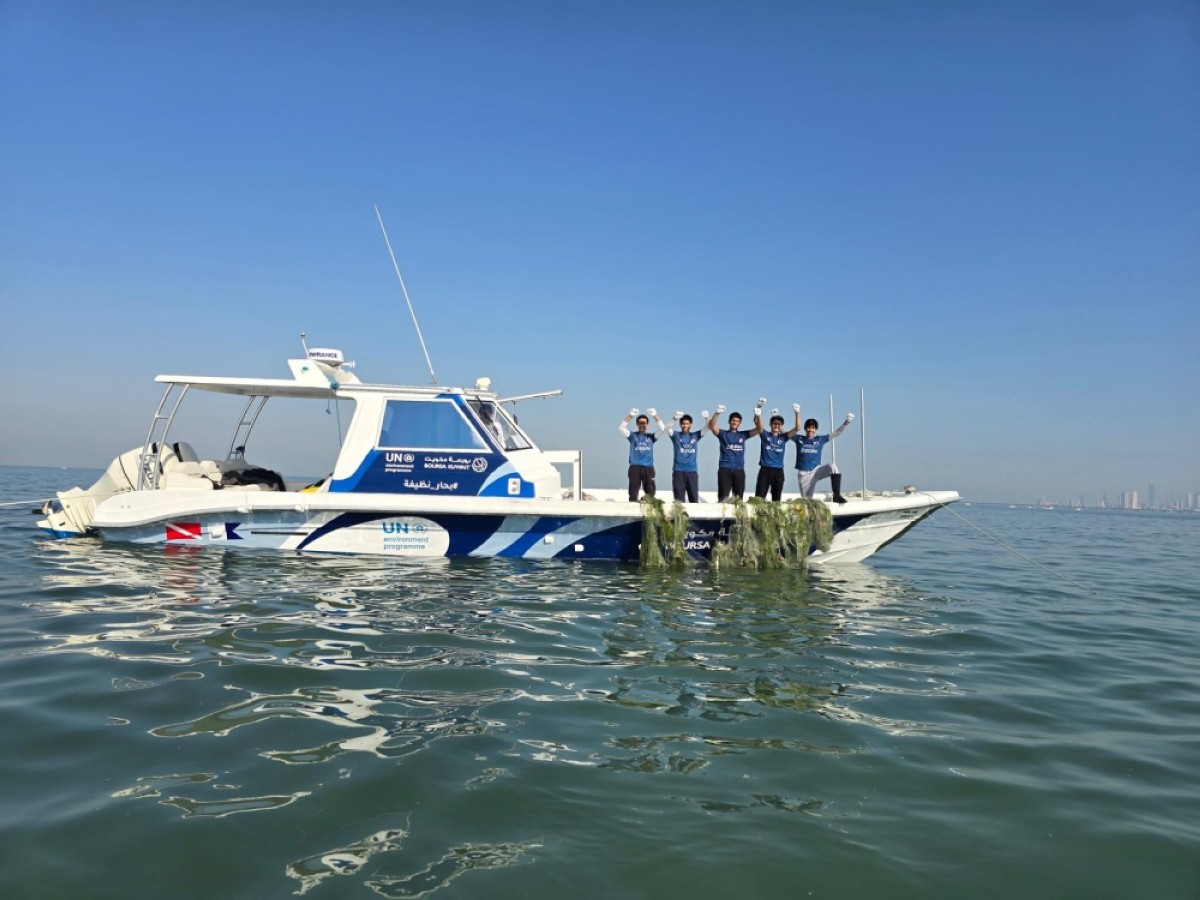

Kuwait is actively working to protect its precious marine ecosystems, and recent efforts by the Kuwait Dive Team demonstrate a strong commitment to environmental preservation. The team, operating under the Environmental Voluntary Foundation, has successfully completed a crucial operation: the removal of abandoned fishing nets from Kuwait Bay and a comprehensive cleanup of Umm Al-Naml Island. This initiative highlights the growing concern over marine pollution and the dedication of local organizations to combatting it.
Addressing the Threat of Ghost Fishing Gear in Kuwait Bay
The primary focus of the recent operation was the removal of derelict fishing nets from Kuwait Bay. These nets, often lost or abandoned by fishermen, don’t simply disappear. They continue to trap and kill marine life – a phenomenon known as “ghost fishing.” This poses a significant threat to the biodiversity of the bay and can severely impact fish populations.
Walid Al-Fadhel, Head of the Kuwait Dive Team, explained to Kuwait News Agency (KUNA) that the operation involved five fully equipped boats and the mobilization of all available logistical and technical resources. The team understood the urgency of the situation and worked diligently to clear the targeted areas of pollutants.
Challenges Faced During the Cleanup
Cleaning Kuwait Bay isn’t a simple task. Al-Fadhel emphasized the challenging conditions, citing strong water currents, shallow coastlines, and frequent wind-driven waves. These factors complicate the retrieval of the fishing nets and require specialized equipment and highly skilled divers. Despite these obstacles, the team successfully removed a substantial amount of harmful debris.
The operation was a collaborative effort, involving the General Administration of Coast Guard, the Public Authority for Agricultural Affairs and Fish Resources, and the Environment Public Authority. This coordinated approach underscores the importance of inter-agency cooperation in tackling environmental issues.
Revitalizing Umm Al-Naml Island: A Haven for Wildlife
Alongside the net removal in Kuwait Bay, the Kuwait Dive Team also undertook a cleanup campaign on Umm Al-Naml Island, located south of the bay. This island, the fourth-largest in Kuwait, is a vital ecological site, and the cleanup focused on removing plastic waste and other debris that were impacting its natural beauty and environmental health.
Umm Al-Naml Island holds particular significance as a crucial stopover point for migratory birds traveling between North Asia and Africa. Its shores and diverse habitats provide a safe haven for these birds to rest and replenish their energy reserves during their long journeys. The island is also a rich breeding ground for crabs, shrimp, and other marine species, contributing to the overall health of the Kuwaiti coastline.
The Importance of Preserving Island Ecosystems
The island’s location, just 650 meters from Ras Ashairij and marked by a navigational light, makes it strategically important for both wildlife and maritime safety. Protecting Umm Al-Naml Island isn’t just about aesthetics; it’s about safeguarding a critical link in the migratory chain and preserving a valuable source of marine biodiversity. The cleanup efforts directly contribute to maintaining the island’s role as a thriving ecosystem. Marine conservation efforts like these are vital for the long-term health of the region.
Government Support and Future Outlook for Kuwait’s Marine Environment
The Kuwait Dive Team expressed its gratitude for the government’s recently announced plan to preserve Kuwait Bay. This plan signifies a growing awareness of the importance of marine conservation and a commitment to addressing the root causes of pollution. Al-Fadhel stressed that a combination of strict government oversight and dedicated voluntary efforts is essential for restoring Kuwait Bay to its former glory.
He further emphasized that halting pollution at its source is the cornerstone of any successful ecological restoration project. This includes promoting responsible fishing practices, reducing plastic consumption, and improving waste management systems. The team’s ongoing field operations are a testament to their dedication to these goals.
The success of these initiatives also relies on public cooperation. Al-Fadhel urged citizens to actively participate in protecting Kuwait’s marine environmental assets and ensuring that Kuwait Bay remains a clean, safe, and sustainable environment for generations to come. Environmental protection is a shared responsibility, and collective action is crucial for achieving lasting results.
In conclusion, the Kuwait Dive Team’s recent work in Kuwait Bay and on Umm Al-Naml Island represents a significant step forward in protecting Kuwait’s marine environment. By removing dangerous fishing nets and cleaning up vital habitats, they are contributing to the health and biodiversity of the region. Continued collaboration between government agencies, voluntary organizations, and the public will be key to ensuring the long-term sustainability of Kuwait’s coastal ecosystems and promoting responsible stewardship of its natural resources.