
The need for a more representative and effective United Nations Security Council (UNSC) is a long-standing issue, and recent international negotiations, spearheaded by Kuwait’s Ambassador to the UN, Tareq Al-Bannai, signal a renewed push for Security Council reform. These discussions, held in January, highlight a growing global consensus that the current structure, rooted in the post-World War II era, is increasingly inadequate to address the complexities of 21st-century geopolitical challenges.
Kuwait Leads Calls for Constructive UN Security Council Reform
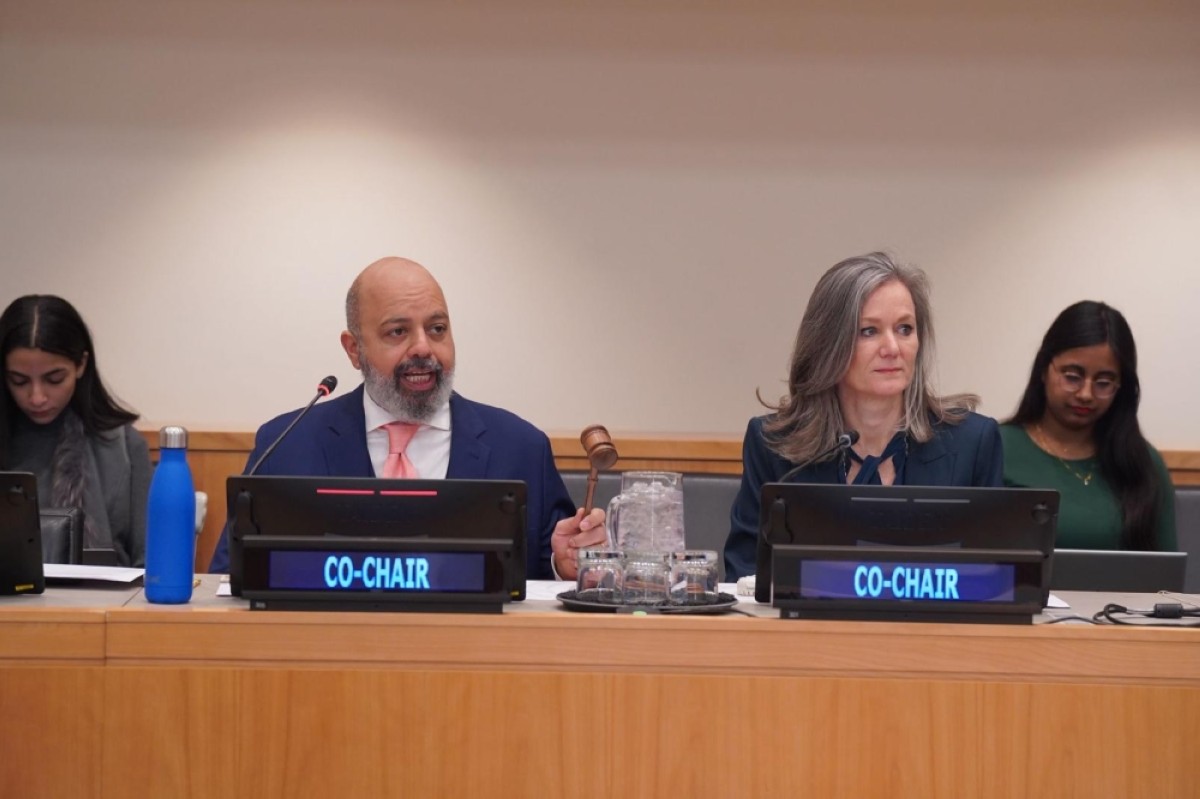
Ambassador Tareq Al-Bannai, Kuwait’s Permanent Representative to the United Nations, recently chaired the opening session of international negotiations focused on reforming the UNSC, alongside his Dutch counterpart, Ambassador Lise Gregoire-van Haaren. Al-Bannai has been leading these Intergovernmental Negotiations on Security Council reform since 2023, giving him a unique vantage point on the obstacles and potential pathways forward. He emphasized the importance of a “constructive and forward-looking” approach, urging member states to move beyond entrenched positions and focus on building a more equitable and effective body.
The session itself was notable for its broad participation, with representatives from a diverse range of nations actively contributing to discussions across five key reform tracks. This level of engagement, Al-Bannai noted, “reflects clear and ongoing interest in advancing these discussions.” He specifically called for increased attention to regional representation, identifying Latin America and the Caribbean, the Asia-Pacific region, and the Arab Group as areas deserving particular consideration.
The Frustration with Implementation
Al-Bannai has been a vocal advocate for change, repeatedly pointing to the perceived failures of the Council to effectively address crises, particularly within the Arab world. He articulated a common sentiment of frustration, stating, “We see resolutions passed, but not implemented—especially in our region.” This disconnect between pronouncements and action fuels a sense of despair and undermines the Council’s credibility.
This sentiment underscores the urgency for UN reform, extending beyond simply adding new permanent members. It necessitates a re-evaluation of the Council’s working methods and a commitment to ensuring that resolutions are not only adopted but also rigorously enforced.
Addressing Geopolitical Realities and Historical Imbalances
A central argument driving the call for Security Council reform is the fundamental mismatch between the Council’s current composition and the realities of global power in 2025. As Al-Bannai succinctly put it, “1945 is not 2025.” The world has undergone dramatic shifts in influence since the end of World War II, and the Council’s structure, dominated by the five permanent members (China, France, Russia, the United Kingdom, and the United States), no longer accurately reflects the distribution of power and responsibility.
The discussions are therefore focused on principles of fairness and inclusivity. Any proposed changes must consider not only which nations should be represented but also how that representation is achieved. This includes exploring options for both permanent and non-permanent seats, as well as considering the criteria for membership. The goal is to create a Council that is more representative of the global community and better equipped to address the challenges of the 21st century.
Pivotal Participation from the P5
A significant development in the January session was the participation of all five permanent members (the P5). Al-Bannai described this as “pivotal,” suggesting that it signals a willingness, even if tentative, to engage in serious discussions about potential changes. Historically, the P5 have been reluctant to cede any of their power or privilege, making their active involvement a crucial step forward.
However, achieving consensus among the P5 remains a formidable challenge. Each member has its own strategic interests and priorities, and any reform proposal will need to address these concerns to gain their support. This is where skillful diplomacy and a commitment to finding common ground will be essential.
Regional Initiatives and a Balanced Approach
Alongside Kuwait’s leadership, other regional groups are also actively contributing to the reform process. Sierra Leone, speaking on behalf of the African Group, announced its intention to present a comprehensive model for Security Council reform during the current session. This follows similar initiatives from other regions, demonstrating a widespread desire for change.
Al-Bannai has consistently emphasized that any expansion of the Council must be carefully balanced. Broader representation is vital, but it must not come at the expense of effectiveness or transparency. He has highlighted the importance of considering regional fairness, adherence to the UN Charter, and contributions to international law and humanitarian efforts when evaluating potential new members. The aim is to create a Council that is not only more representative but also more capable of fulfilling its mandate to maintain international peace and security. The ongoing debate also touches upon the veto power held by the permanent members, a contentious issue that many believe contributes to the Council’s paralysis.
In conclusion, the recent international negotiations on Security Council reform, led by Ambassador Al-Bannai, represent a critical moment in the ongoing effort to modernize the UN’s most powerful body. The emphasis on constructive dialogue, regional representation, and a balanced approach offers a glimmer of hope that meaningful change may be possible. While significant challenges remain, the increased engagement from all stakeholders, including the P5, suggests a growing recognition of the urgent need for reform. The future effectiveness of the United Nations in addressing global crises hinges on its ability to adapt to the changing geopolitical landscape and create a Security Council that is truly representative of the world it seeks to serve. Further updates on the progress of these negotiations can be found on the UN website and through various international news outlets.