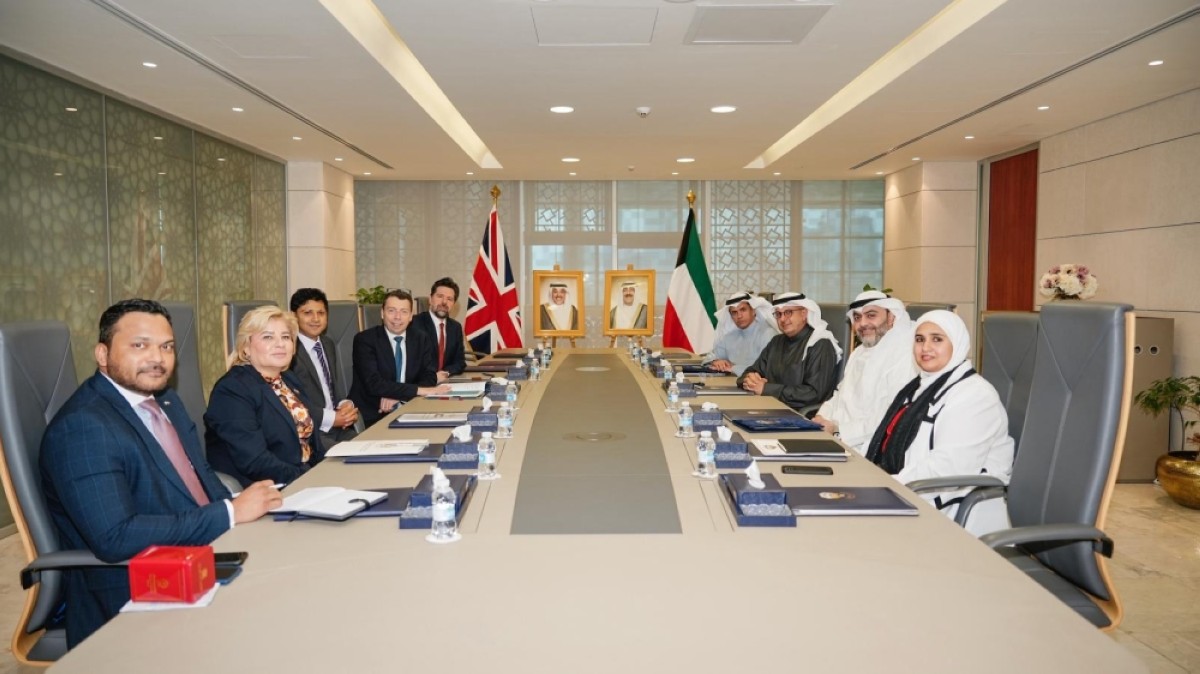

Kuwait and the United Kingdom have long enjoyed a robust and multifaceted relationship, built on mutual respect and shared interests. Recent high-level discussions between officials from both nations signal a commitment to further strengthening ties across a range of crucial sectors, from defense and security to investment and education. This renewed focus promises to deepen collaboration and address evolving regional and global challenges. The talks underscore the importance both countries place on stability and prosperity in the Middle East.
Recent Discussions & Key Areas of Focus
The latest round of talks, typically involving representatives from the Kuwaiti Ministry of Foreign Affairs and their counterparts in the UK government, centered on several key areas. These discussions weren’t simply a formality; they represent a proactive approach to solidifying a partnership that has proven valuable to both countries. A primary focus was on enhancing security cooperation, particularly in the face of ongoing threats to regional stability.
Defense and Security Collaboration
Both Kuwait and the UK recognize the importance of a strong defense posture in safeguarding their interests. Discussions included exploring opportunities for joint military exercises, intelligence sharing, and collaboration on counter-terrorism efforts. The UK has historically been a key partner in providing training and equipment to the Kuwaiti armed forces, and this support is expected to continue and potentially expand. This collaboration is vital for maintaining peace and security in the Gulf region.
Boosting Bilateral Trade and Investment
Beyond security, a significant portion of the dialogue revolved around economic cooperation. Kuwait is a substantial investor in the UK, and both sides are keen to encourage further bilateral trade and investment flows. The UK is actively promoting its post-Brexit economic agenda and seeking new partnerships, making Kuwait an increasingly important player.
Specifically, discussions touched upon opportunities in renewable energy, infrastructure development, and financial technology. Kuwait’s sovereign wealth fund, the Kuwait Investment Authority, is a major global investor, and its continued confidence in the UK economy is seen as a positive sign. The aim is to diversify investment portfolios and foster sustainable economic growth in both nations.
The Historical Context of Kuwait-UK Relations
The relationship between Kuwait and the UK dates back to the late 19th century, with the signing of a protection treaty in 1899. This historical connection has laid a strong foundation for the modern partnership. Throughout the 20th and 21st centuries, the UK has remained a consistent ally of Kuwait, offering support during times of crisis, including the Iraqi invasion of 1990.
This long-standing alliance has fostered a deep level of trust and understanding between the two countries. It’s a relationship built not just on strategic interests, but also on shared values and cultural exchange. The UK’s role in the liberation of Kuwait cemented its position as a crucial partner in the region.
Expanding Cooperation into New Sectors
While defense and investment have traditionally been the cornerstones of the relationship, both Kuwait and the UK are actively exploring opportunities for collaboration in new and emerging sectors. This includes a growing emphasis on education and skills development. Kuwait is investing heavily in its education system, and the UK, with its world-renowned universities and expertise, is a natural partner in this endeavor.
Furthermore, discussions are underway regarding cooperation in healthcare, technology transfer, and cultural exchange programs. These initiatives aim to foster closer people-to-people ties and promote a deeper understanding of each other’s cultures. The focus is on building a more comprehensive and sustainable partnership that benefits both societies.
The Role of People-to-People Diplomacy
The importance of fostering connections between the citizens of Kuwait and the UK was a recurring theme throughout the talks. Increased opportunities for student exchange, cultural festivals, and professional development programs are envisioned. Such initiatives will contribute to a richer understanding and appreciation of each other’s cultures, strengthening the overall relationship.
Challenges and Opportunities Ahead
Despite the strong foundation, the relationship isn’t without its challenges. Navigating the complexities of the regional geopolitical landscape, managing evolving security threats, and adapting to changing global economic conditions require ongoing dialogue and collaboration. However, these challenges also present opportunities for both Kuwait and the UK to demonstrate their commitment to a shared vision of stability and prosperity.
The continued strengthening ties seen through these recent discussions is a clear indication that both countries are willing to invest in a future built on mutual respect, shared interests and a dynamic partnership. The ongoing need for regional stability provides a key driver for continued collaboration.
Looking Forward: A Strengthened Partnership
The recent high-level discussions between Kuwait and the UK represent a significant step forward in an already robust relationship. By focusing on enhancing security cooperation, boosting trade relations, expanding collaboration into new sectors like education, and fostering people-to-people diplomacy, both countries are laying the groundwork for a more resilient and mutually beneficial partnership. The commitment to strengthening ties underscores the shared belief in the importance of a stable and prosperous Middle East, and the crucial role that Kuwait and the UK can play in achieving that goal.
We encourage readers to follow further developments in this important relationship and to learn more about the opportunities for collaboration between Kuwait and the UK by visiting the official websites of the Kuwaiti embassy in London and the British embassy in Kuwait. Your engagement and informed perspective are vital to understanding the nuances of international partnerships in today’s world.