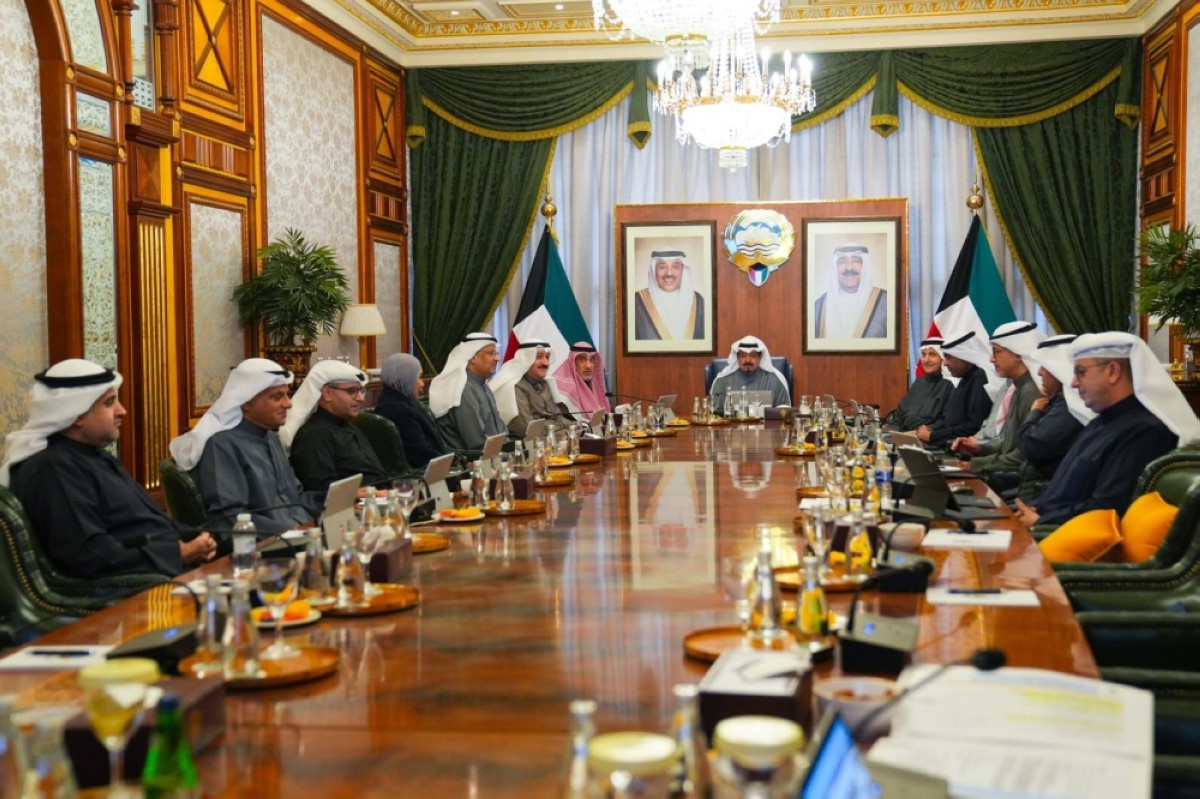

Kuwait is rapidly advancing its digital infrastructure and strengthening its financial safeguards, as highlighted in a recent Cabinet meeting. The focus was on the impressive growth of government digital services, particularly the Sahel app, and significant strides in combating money laundering and terrorism financing. These developments signal a commitment to modernization, transparency, and security within both the public and private sectors. The meeting, chaired by His Highness the Prime Minister Sheikh Ahmad Al-Abdullah Al-Ahmad Al-Sabah, underscored the nation’s dedication to a more efficient and secure future.
Sahel App: A Digital Transformation Success Story
The Cabinet dedicated considerable attention to the performance of the Sahel app, Kuwait’s unified platform for accessing government services. Minister of State for Communications Omar Saud Al-Omar presented a 2025 performance report revealing substantial user adoption and transaction volume. Last year alone, over three million users completed more than 52 million transactions through the app, demonstrating its increasing popularity and effectiveness.
This growth is directly linked to the continuous expansion of services offered on the platform. In the past year, 59 new services were added, streamlining processes and making it easier for citizens and residents to interact with government entities. This proactive approach to service delivery is a key component of Kuwait’s broader digital transformation strategy.
Enhancing User Experience and Integration
The Cabinet expressed strong praise for the technical teams and the app’s executive committee responsible for its success. However, they also emphasized the need for ongoing improvements to enhance the user experience. This includes simplifying navigation, improving accessibility, and ensuring the app remains secure and reliable.
Furthermore, the Cabinet urged continued efforts to expand integration across all government departments. A truly unified platform requires seamless data exchange and collaboration between agencies, eliminating redundancies and providing a more holistic service to the public. The goal is to make digital government services a convenient and efficient alternative to traditional methods for all citizens.
Modernizing Financial Reporting with the Qayd System
Beyond digital services for citizens, the Cabinet also reviewed a crucial initiative aimed at modernizing the business environment: the “Qayd” project. Presented by Minister of Commerce and Industry Khalifa Al-Ajeel, Qayd represents Kuwait’s national system for electronic financial reporting.
The system, which began optional implementation on January 1, 2026, allows companies to submit their financial statements digitally, utilizing the internationally recognized XBRL (eXtensible Business Reporting Language) standard. XBRL converts financial data into a structured, machine-readable format, facilitating easier review, analysis, and comparison.
Benefits of Electronic Financial Reporting
The shift to electronic financial reporting through Qayd is expected to yield significant benefits. According to officials, it will move Kuwait away from cumbersome paper-based processes, enabling faster reviews by regulatory bodies and promoting standardized disclosure practices. This, in turn, will lead to improved compliance and a more transparent business landscape.
Initially, Qayd will cover private companies, single-person companies, simple partnerships, and joint-stock companies. Mandatory adoption is planned for 2027, ensuring widespread implementation across the corporate sector. The Cabinet lauded the project’s potential to strengthen oversight and contribute to a more efficient and trustworthy business environment in Kuwait.
Addressing Governorate Challenges and Improving Public Services
Recognizing the importance of local governance, the Cabinet also addressed challenges faced by Kuwait’s governorates. A directive was issued to all government agencies to collaborate closely with local officials to resolve obstacles and enhance the delivery of public services.
To facilitate this collaboration, each agency will appoint a dedicated contact point authorized to respond to inquiries from the governorates. The Central Agency for Information Technology (CAIT) will develop electronic communication systems to connect governorates with relevant government departments. Additionally, the Supreme Council for Planning and Development will provide regular updates on government projects, enabling local authorities to track progress and identify potential issues.
Strengthening Anti-Money Laundering and Counter-Terrorism Financing Efforts
Kuwait remains firmly committed to combating money laundering and the financing of terrorism. Acting Finance Minister Dr. Sabeeh Al-Mukhaizeem presented an overview of the nation’s system, highlighting recent legislative reforms, operational improvements, and enhanced international collaboration.
The Cabinet commended Dr. Al-Mukhaizeem, the Financial Intelligence Unit, and the National Committee for Combating Money Laundering and Financing of Terrorism for their dedicated work. They expressed strong support for continued efforts to safeguard the financial system and maintain Kuwait’s standing as a responsible member of the international community. This commitment to financial security is paramount in today’s global landscape.
In conclusion, the recent Cabinet meeting showcased Kuwait’s proactive approach to modernization and security. The continued success of the Sahel app, the implementation of the Qayd system, and the strengthening of anti-money laundering measures all contribute to a more efficient, transparent, and secure future for the nation. These initiatives demonstrate a clear commitment to leveraging technology and international best practices to improve the lives of citizens and foster a thriving business environment. Further updates on these projects are anticipated as Kuwait continues its journey towards a digitally empowered and financially resilient economy.