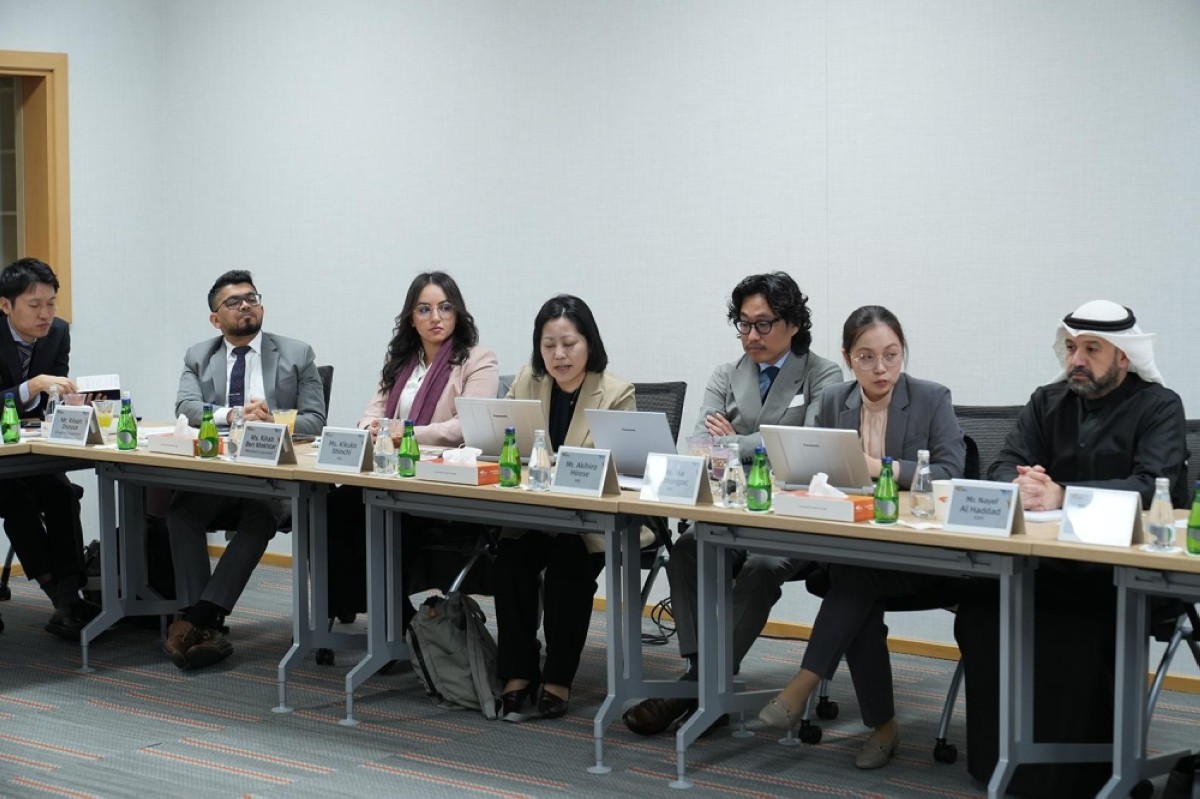

Kuwait is taking significant steps towards a sustainable future, recently hosting a crucial workshop focused on building a robust carbon policy framework. The event, organized by the Kuwait Foundation for the Advancement of Science (KFAS) on January 21st, brought together international expertise and key Kuwaiti stakeholders to chart a course for achieving the nation’s ambitious climate goals. This initiative signals a commitment to moving beyond pledges and into the realm of practical implementation, a vital process for any nation navigating the complexities of climate change.
Developing a Tailored Carbon Policy for Kuwait
The workshop, a collaborative effort between KFAS and the Kuwait Institute for Scientific Research, underscored the need for a carbon policy specifically designed to address Kuwait’s unique economic and institutional landscape. Recognizing that a one-size-fits-all approach wouldn’t be effective, the organizers prioritized knowledge sharing and coordination to ensure the framework is both impactful and feasible. International participation, notably from Japan, was a key component, bringing valuable insights from a nation with a strong track record in environmental technology and policy.
International Collaboration & Expertise
Representatives from the Japanese Embassy, Japan External Trade Organization (JETRO), Mitsubishi Research Institute, and Mitsubishi Corporation actively participated, sharing their experiences and best practices. This collaboration isn’t merely about importing solutions; it’s about adapting proven strategies to the specific context of Kuwait. The Japanese delegation offered perspectives on successful carbon reduction initiatives and potential avenues for technological transfer, crucial for accelerating Kuwait’s transition to a lower-carbon economy.
Aligning with Kuwait’s Vision 2035 and Global Commitments
Discussions at the workshop centered around Kuwait’s progress towards its Vision 2035, a national development plan with increasing emphasis on sustainability. A core focus was the implementation of Kuwait’s Nationally Determined Contribution (NDC) under the Paris Agreement. The NDC represents Kuwait’s commitment to reducing greenhouse gas emissions and contributing to the global effort to limit warming.
Furthermore, the workshop addressed Kuwait’s long-term ambition of achieving net-zero emissions. This ambitious goal requires a comprehensive and well-defined carbon policy to guide investments, incentivize innovation, and regulate emissions across various sectors. The energy sector, a major contributor to Kuwait’s emissions, was naturally a key area of focus, alongside discussions on diversifying the economy and promoting renewable energy sources.
From Commitments to Actionable Policies: A Phased Approach
A central theme throughout the workshop was the critical need to translate high-level commitments into concrete, implementable policy tools. Simply setting targets isn’t enough; Kuwait needs a clear roadmap outlining the steps required to achieve them. KFAS emphasized that this workshop is just the first step in a multi-phase process designed to align stakeholders and build consensus around a national carbon policy mechanism.
Key Outcomes and Next Steps
The immediate outputs of the workshop include a comprehensive white paper summarizing the key discussions and insights. More importantly, organizers have proposed a detailed roadmap for developing the national carbon policy. This roadmap will likely outline specific regulations, incentives, and investment strategies to encourage emissions reductions across key industries. The development of a robust carbon market is also a potential outcome, allowing companies to trade carbon credits and further incentivize sustainable practices.
The focus on a national carbon mechanism highlights Kuwait’s intention to create a system that is both effective and equitable, taking into account the needs of its economy and its citizens. This also demonstrates a commitment to environmental regulations and sustainable development.
The Role of Key Kuwaiti Institutions
The participation of prominent Kuwaiti entities like the Kuwait Petroleum Corporation (KPC), the Environment Public Authority (EPA), the Ministry of Electricity, Water & Renewable Energy (MEWRE), and the UN Development Programme (UNDP) was essential. KPC, as the national oil company, plays a pivotal role in Kuwait’s energy landscape and its emissions profile. Its involvement signals a willingness to embrace sustainable practices within the oil and gas sector.
The EPA’s presence ensured that environmental considerations were at the forefront of the discussions. Meanwhile, the MEWRE’s participation underscored the importance of transitioning to renewable energy sources and improving energy efficiency. The UNDP’s contribution brought valuable expertise in international best practices and sustainable development frameworks. This collaborative approach, bringing together government, industry, and international partners, is crucial for the successful implementation of any carbon policy.
In conclusion, the KFAS workshop represents a significant milestone in Kuwait’s journey towards a more sustainable future. By prioritizing a tailored approach, fostering international collaboration, and focusing on actionable policies, Kuwait is laying the groundwork for a low-carbon transition that aligns with its national vision and global commitments. The white paper and proposed roadmap will be instrumental in shaping the future of environmental policy in Kuwait, and it’s a development worth following closely for anyone interested in climate action in the region. Stay informed about Kuwait’s progress on climate change and explore opportunities for collaboration and investment in sustainable technologies.