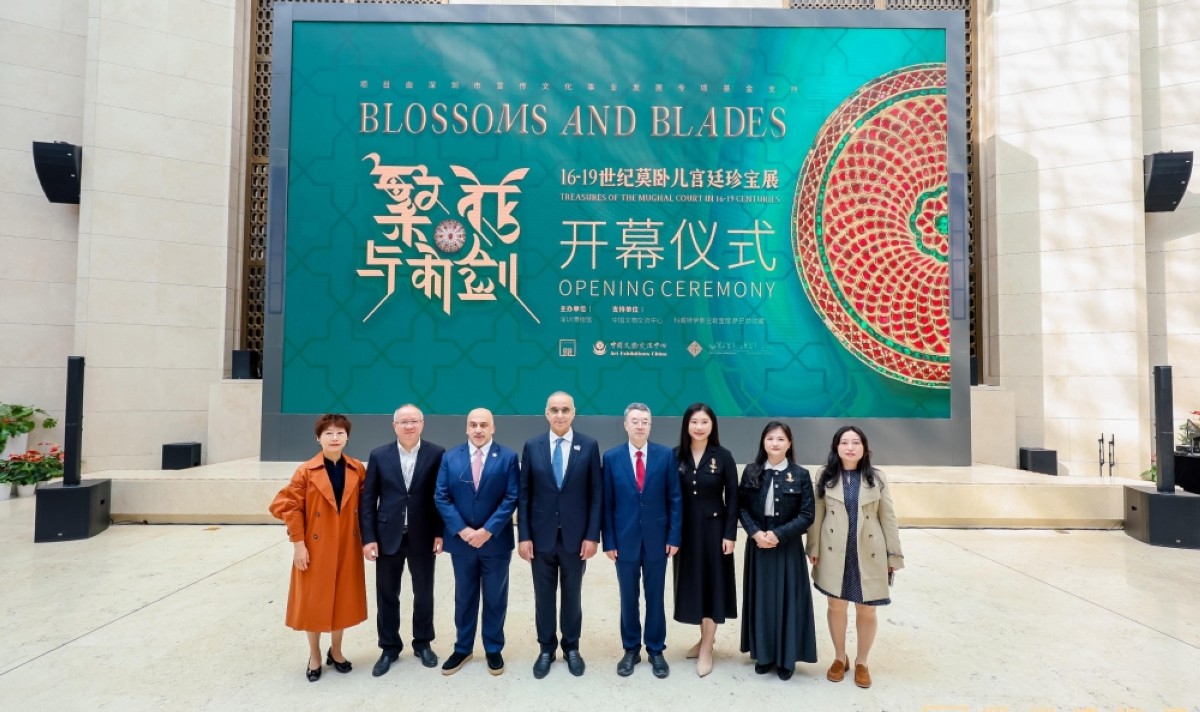

Kuwait and China have deepened their cultural exchange with the inauguration of a stunning exhibition in Shenzhen, showcasing the rich artistic heritage of the Mughal period. The “Blossoms and Blades” exhibition, featuring 143 masterpieces from the renowned Al-Sabah archaeological collection, opened its doors on Friday, marking a significant step in global cultural collaboration and providing a captivating glimpse into a fascinating era of Indian history. This event is poised to draw significant attention to Mughal art and strengthen ties between the two nations.
A First Look at the Al-Sabah Collection in Shenzhen
For the first time, the treasures of the Al-Sabah Collection are on display in Shenzhen, a vibrant hub of innovation and culture in southern China. The exhibition, formally titled “Blossoms and Blades: Treasures of the Mughal Court from the 16th to the 19th Century,” is a joint effort between the National Council for Culture, Arts and Letters (NCCAL) of Kuwait and the Shenzhen Museum.
The Dar Al-Athar Al-Islamiyyah – Al-Sabah Collection, the institution overseeing the project, released a statement highlighting the importance of this cultural bridge. Representing Kuwait’s Minister of Information and Culture, NCCAL Chairman Dr. Mohammad Al-Jassar extended greetings and emphasized the exhibition’s connection to the vision of the late Sheikh Nasser Sabah Al-Ahmad Al-Sabah and his wife, Sheikha Hessa Sabah Al-Salem Al-Sabah. Their dedication to preserving and sharing Islamic art is central to this initiative.
Celebrating a Legacy of Mughal Art and Craftsmanship
The exhibition itself is a breathtaking display of the opulence and artistry that defined the Mughal court over four centuries. Visitors can expect to be mesmerized by intricately decorated daggers and weapons, lavishly adorned with precious stones like emeralds, rubies, and diamonds. A particularly noteworthy piece is a 17th-century katar dagger, a testament to the skill of Mughal artisans.
However, the collection extends far beyond weaponry. It also includes exquisite crystal vessels, delicate artifacts featuring floral motifs, and dazzling royal jewelry. These pieces collectively paint a vivid picture of the Mughal empire’s refined aesthetic and its patronage of the arts. The focus on detail and the masterful use of materials demonstrate a level of craftsmanship rarely seen today.
The Significance of the Collection’s Themes
The title, “Blossoms and Blades,” is deliberately evocative. It encapsulates the duality of the Mughal court – a society renowned for its artistic flourishing alongside its military power and regal authority. The exhibition thoughtfully explores this contrast, presenting objects that represent both the peaceful pursuits of artistic creation and the tools of power and defense. This thematic approach provides a deeper understanding of the complexities of the Mughal era.
Strengthening Kuwait-China Cultural Relations
The “Blossoms and Blades” exhibition isn’t occurring in isolation. It builds upon a long history of cultural cooperation between Kuwait and China. Dr. Al-Jassar specifically referenced the 2024 conference, “Distances Apart, Relations Close: The Silk Road as a Bond Between Two Worlds,” as a prime example of this ongoing dialogue.
This year holds particular significance for Kuwait, as it proudly celebrates its designation as the Arab Capital of Culture and Media. Hosting this exhibition in Shenzhen is a powerful way to showcase Kuwaiti cultural initiatives on a global stage and further solidify its position as a regional leader in arts and heritage. The event is a testament to the power of cultural exchange in fostering understanding and building stronger relationships.
The opening ceremony itself was a demonstration of mutual respect and enthusiasm. A VIP reception welcomed the Kuwaiti delegation, followed by a warm welcome speech from Cai Huiyao, Deputy Director of the Shenzhen Museum. Cai expressed his pride in hosting the exhibition and emphasized the Chinese audience’s keen interest in exploring Islamic heritage through these exceptional works of art.
A Platform for Understanding and Appreciation
The Shenzhen Museum is well-positioned to introduce the splendor of Mughal art to a new audience. The museum’s modern facilities and commitment to engaging exhibits will undoubtedly enhance the visitor experience. The exhibition provides a unique opportunity for Chinese citizens to connect with a significant chapter in world history and appreciate the artistic achievements of the Mughal empire.
The collaboration between Kuwait and China in bringing “Blossoms and Blades” to life is a model for future cultural partnerships. It demonstrates a shared commitment to preserving and promoting artistic heritage, and a recognition of the vital role that culture plays in fostering international understanding.
This exhibition is more than just a display of beautiful objects; it’s a celebration of a shared human history and a powerful symbol of the growing friendship between Kuwait and China. It’s an event that promises to inspire, educate, and leave a lasting impression on all who attend. Visitors are encouraged to explore the intricacies of the collection and delve into the fascinating world of the Mughal court.