
Kuwait and Saudi Arabia are accelerating collaboration on vital infrastructure projects, with recent high-level talks focused on the crucial railway linkage between the two nations. This project aims to bolster regional trade, enhance connectivity, and contribute significantly to the economic diversification goals of both countries. The discussions, held in Riyadh, highlight a shared commitment to improving transport and logistics networks across the Gulf region.
Advancing the Kuwait-Saudi Railway Linkage
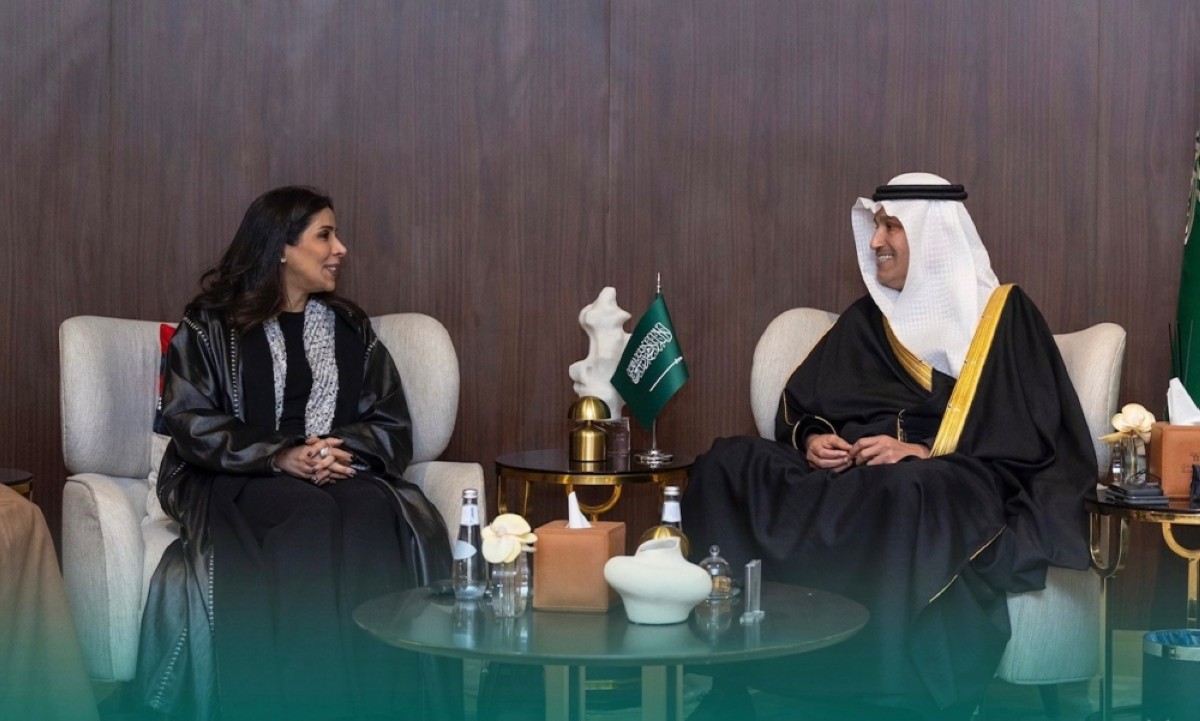
The meeting between Kuwait’s Minister of Public Works, Dr. Noura Al-Mashaan, and Saudi Arabia’s Minister of Transport and Logistics Services, Saleh Al-Jasser, centered around reviewing the progress and outlining the next steps for the railway connection. Al-Mashaan visited Riyadh at Al-Jasser’s invitation, signaling the importance Saudi Arabia places on the project and the close working relationship between the two ministries. The railway is envisioned as a key component of a larger GCC-wide rail network, aiming to seamlessly connect all six Gulf Cooperation Council member states.
Project Scope and Potential Impact
The Kuwait-Saudi railway linkage, a significant undertaking in regional infrastructure development, is expected to span several hundred kilometers. Details regarding the specific route and technical specifications are continually being refined, but the core objective remains consistent: to provide a fast, efficient, and reliable rail connection for both passenger and freight transport.
This enhanced connectivity promises a multitude of benefits. Reduced transit times will facilitate the movement of goods, boosting trade volumes and lowering costs. The railway is likely to stimulate economic growth in areas along its route, creating new job opportunities and encouraging investment. Furthermore, a robust rail network contributes to a more sustainable transportation sector, reducing reliance on road transport and lowering carbon emissions.
Strengthening Transport and Logistics Cooperation
Beyond the railway project, the ministers engaged in broader discussions concerning transport infrastructure and logistics solutions within both countries. They explored opportunities to streamline procedures, harmonize regulations, and leverage technological advancements to optimize the flow of goods and people.
Addressing Regional Challenges
Efficient logistics are vital for economic competitiveness in today’s global market. The meeting addressed potential challenges to that efficiency, including border crossing procedures and the need for integrated digital platforms. Solutions discussed likely included enhancing customs collaboration, implementing unified tracking systems, and investing in modern logistics facilities.
The conversation extended to exploring potential public-private partnerships (PPPs) to accelerate the development of transport projects. PPPs can bring much-needed capital and expertise to the table, allowing for quicker implementation and improved project outcomes. Both countries have been actively exploring PPP models in various sectors, and transport is a natural area for this collaboration.
The Role of the GCC Rail Network
The Kuwait-Saudi railway linkage isn’t just a bilateral project; it’s a crucial segment of the ambitious GCC rail network. This regional initiative aims to create a unified railway system across all six GCC nations – Saudi Arabia, Kuwait, Bahrain, Qatar, the UAE and Oman. The network has faced delays due to various factors, but renewed focus and collaborative efforts are driving momentum.
The completion of the GCC rail network is considered a strategic priority for the region, promising to boost economic integration and reinforce the GCC’s position as a major global trade hub. It will facilitate tourism, encourage cross-border investment, and create a more resilient and diversified economy. The potential for moving goods more efficiently throughout the Gulf region relies heavily on the success of projects like the cross-border rail connection between Kuwait and Saudi Arabia.
Future Outlook and Next Steps
The discussions in Riyadh clearly demonstrated a strong commitment from both Kuwait and Saudi Arabia to advance the railway linkage project and reinforce their transport collaboration. Following the meeting, both ministries are expected to expedite the work on detailed engineering designs, land acquisition, and procurement processes.
Regular follow-up meetings and working groups will likely be established to oversee the project’s progress and address any emerging challenges. Furthermore, exploration of unified standards and operating procedures will be essential to guarantee seamless interoperability with the larger GCC rail network.
The successful completion of this project will not only benefit Kuwait and Saudi Arabia but will also serve as a model for regional collaboration in infrastructure development. It underscores the importance of strategic partnerships in achieving shared economic goals and building a more connected and prosperous future for the Gulf region.