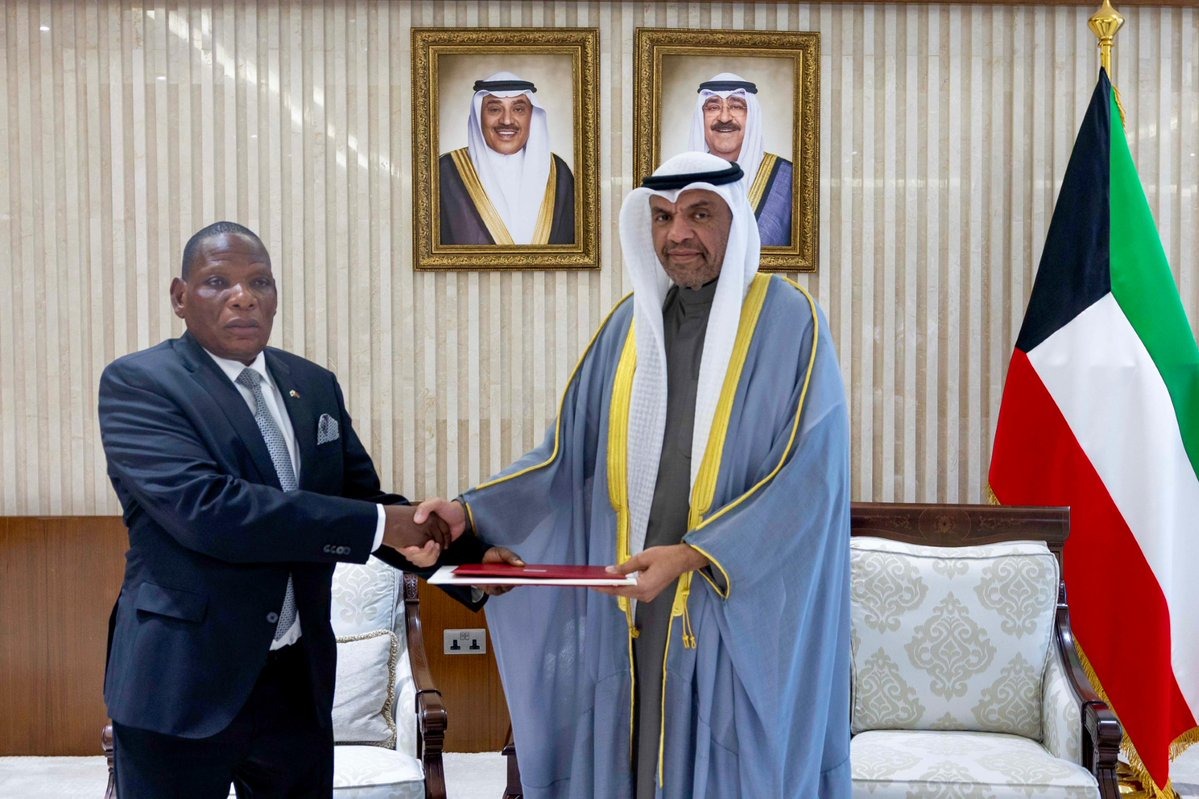

Kuwait is exploring strengthened bilateral cooperation with Malawi following the receipt of a letter from President Peter Mutharika. The letter, delivered to Kuwait’s Foreign Minister Abdullah Al Yahya, outlines potential avenues for increased partnership between the two nations. This development signals a renewed interest in expanding Kuwaiti diplomatic and economic ties within the African continent, particularly with countries in Southern Africa.
The exchange occurred during a meeting between Kuwaiti Foreign Minister Al Yahya and Malawi’s Finance Minister, Joseph Mwanamvekha, who is currently on a visit to Kuwait City. According to official reports, the letter focuses on identifying mutually beneficial opportunities for collaboration. The meeting took place on December 14, 2023, and represents a direct communication channel between the two heads of state.
Strengthening Kuwait-Malawi Bilateral Cooperation
While specific details of the proposed cooperation remain undisclosed, the initiative aligns with Kuwait’s broader foreign policy objectives of diversifying its international relationships. The country has been actively seeking to build stronger ties with nations outside of traditional partnerships in the Middle East and North America. This move towards African nations is a recent, but notable, trend.
Malawi, a landlocked country in Southeastern Africa, has been focusing on attracting foreign investment to bolster its economy. Key sectors for development include agriculture, energy, and infrastructure. The country’s economic challenges, including reliance on tobacco exports and vulnerability to climate change, may be driving its pursuit of new partnerships.
Potential Areas of Collaboration
Several areas could be ripe for economic partnership between Kuwait and Malawi. These include:
Kuwait’s sovereign wealth fund, the Kuwait Investment Authority, has a significant global portfolio and could potentially consider investments in Malawi’s infrastructure projects. Additionally, Kuwaiti companies with expertise in energy and construction could find opportunities in Malawi’s developing markets.
Malawi could benefit from Kuwaiti financial assistance and expertise in areas such as sustainable agriculture and water management. The country faces significant challenges related to food security and climate resilience, and Kuwait’s experience in arid environments could be valuable.
Increased diplomatic relations could also facilitate cooperation in areas like education and healthcare. Kuwait has a strong track record of providing humanitarian aid and could potentially expand its support to Malawi.
However, challenges to deeper collaboration exist. Geographical distance and differing economic scales present logistical and financial hurdles. Furthermore, political stability and governance issues in Malawi, as highlighted in reports by international organizations, could deter potential investors.
The visit by Malawi’s Finance Minister and the delivery of the President’s letter suggest a proactive approach from both sides. The Kuwaiti Ministry of Foreign Affairs has not yet announced a timeline for further discussions or potential agreements. Meanwhile, Malawi’s government is actively seeking to attract foreign direct investment to support its national development agenda.
This development comes amidst a broader pattern of increased engagement between Gulf states and African nations. Saudi Arabia, the United Arab Emirates, and Qatar have all been actively pursuing economic and political ties with countries across the continent. This trend is driven by a combination of factors, including the search for new investment opportunities, access to natural resources, and geopolitical considerations.
Looking ahead, the next step will likely involve the formation of joint committees to explore specific areas of cooperation. The timeframe for these discussions and any resulting agreements remains uncertain, dependent on both countries’ internal priorities and external factors. Observers will be watching for concrete announcements regarding investment projects or aid packages in the coming months, as well as any indications of a broader strategic alignment between Kuwait and Malawi.
The strengthening of international partnerships is a key component of both Kuwait’s and Malawi’s foreign policy strategies. The success of this particular initiative will depend on the ability of both countries to overcome the challenges and capitalize on the opportunities presented by this renewed dialogue.