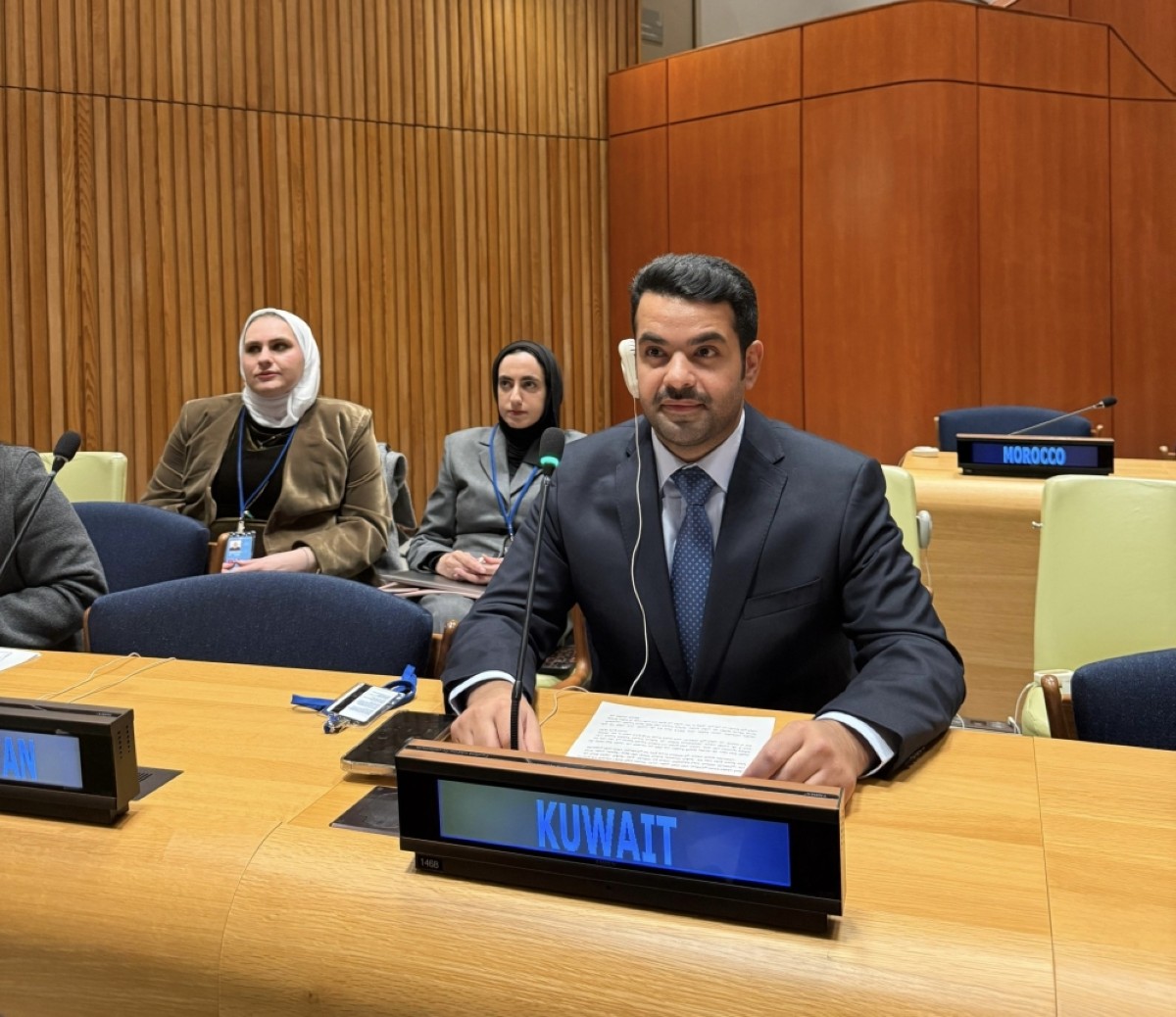

Kuwait has once again demonstrated its dedication to the global fight against human trafficking, reaffirming its commitment during a recent address to the United Nations General Assembly. Fahad Al-Mutairi, Deputy Public Prosecutor and member of the Technical Office, delivered a powerful statement on Monday evening, focusing on the evolving challenges posed by modern technology, particularly artificial intelligence, in facilitating this heinous crime. This commitment comes as international bodies review the Global Plan of Action to Combat Trafficking in Persons, seeking updated strategies to address contemporary threats.
Kuwait Addresses the Evolving Landscape of Human Trafficking at the UN
Al-Mutairi’s address wasn’t simply a recitation of Kuwait’s efforts; it was a proactive acknowledgement of how criminals are adapting. He highlighted that since adopting the United Nations Convention against Transnational Organized Crime and its protocols, Kuwait has established a robust legal framework to combat exploitation both online and across international borders. This includes recognizing the shifting tactics used by trafficking networks and responding with targeted legislation.
The Role of Technology in Modern Trafficking
A central theme of Al-Mutairi’s presentation was the alarming ways in which technology is being weaponized by traffickers. He specifically noted that artificial intelligence and other modern technologies aren’t just passive tools, but active enablers. These include:
- Targeting Victims: Algorithms are used to identify and groom vulnerable individuals.
- Creating False Identities: Fake digital profiles facilitate recruitment and exploitation.
- Concealing Financial Transactions: Cryptocurrencies and other digital finance methods obscure the flow of illicit funds.
- Exploitation Platforms: Digital platforms are misused for recruitment, advertising, and coordinating trafficking activities.
He warned that the speed of AI development is outpacing the ability of justice systems to respond effectively, creating significant hurdles in early detection and evidence gathering.
Strengthening Legal Frameworks and International Cooperation
Kuwait isn’t waiting for technology to completely outpace its capabilities. Al-Mutairi detailed the existing legal framework actively employed to combat human trafficking and related crimes. Notably, Law No. (91) of 2013 specifically addresses combating human trafficking and migrant smuggling. This law not only defines the crime but also implements stricter penalties, particularly for offenses committed by organized groups or those involving transnational elements.
However, Kuwait recognizes that addressing online exploitation requires further measures. Law No. (63) of 2015, which focuses on combating information technology crimes, broadens the scope to criminalize the use of digital platforms for recruitment and exploitation. This law also penalizes money laundering achieved through electronic means and the online promotion of criminal organizations.
Utilizing Technology for Detection and Prosecution
Kuwait is actively leveraging technology against the perpetrators. Al-Mutairi explained that the country’s legislation empowers authorities to:
- Track criminal networks using advanced technological tools.
- Analyze complex digital evidence.
- Identify behavioral patterns indicative of trafficking.
- Monitor electronic communications associated with trafficking operations.
This proactive approach demonstrates a commitment to not only responding to trafficking but actively preventing it through technological vigilance. The government’s ability to adapt its strategies is a crucial component of its ongoing success in this area.
The Need for Global Standards and Collaboration
Al-Mutairi’s address didn’t stop at outlining Kuwait’s national efforts. He stressed the imperative for international collaboration, particularly in regulating the use of artificial intelligence. He argued that without standardized global regulations, AI risks becoming a safe haven for traffickers, allowing them to operate with impunity across borders.
He emphasized the importance of partnerships with technology companies to monitor and remove exploitative content from digital platforms. Furthermore, he advocated for the creation of shared databases and the integration of national referral systems with these platforms. This collaborative approach is vital for effective prevention, protection of victims, and successful prosecution of perpetrators. He reiterated that a focus on the role of modern technologies is essential for the updated Global Plan of Action.
A Cornerstone of Prevention, Protection and Justice
In conclusion, Kuwait’s commitment to combating human trafficking remains firm, and its approach is becoming increasingly sophisticated in the face of evolving technological trends. Al-Mutairi’s statement at the United Nations General Assembly underscored the need for a proactive and collaborative global response, integrating technology for both detection and prevention. He positioned cooperation with the private sector and digital platforms as a cornerstone of future efforts—essential for safeguarding vulnerable populations and ensuring justice prevails. The focus on improving international frameworks will be critical in preventing the misuse of AI and other technologies by these criminal networks and ultimately eradicating this global issue.