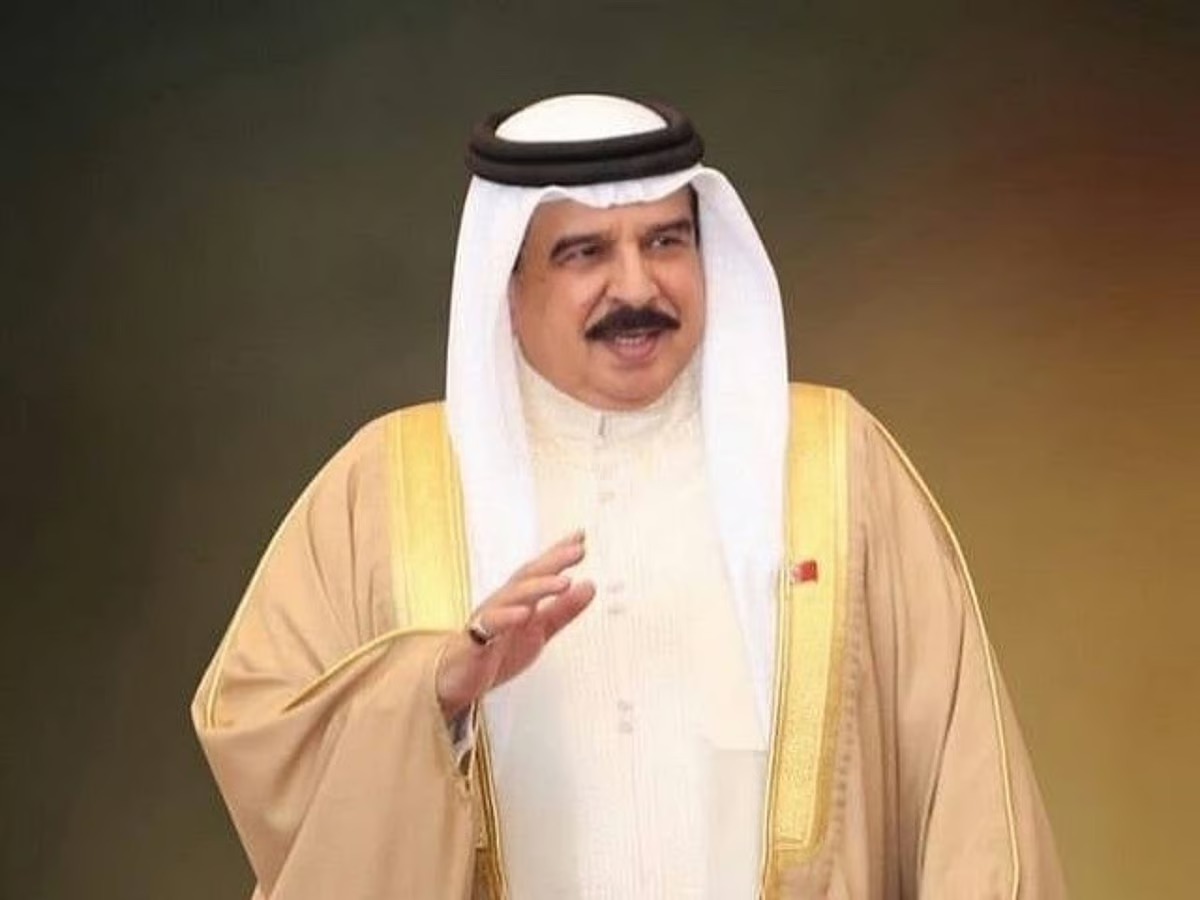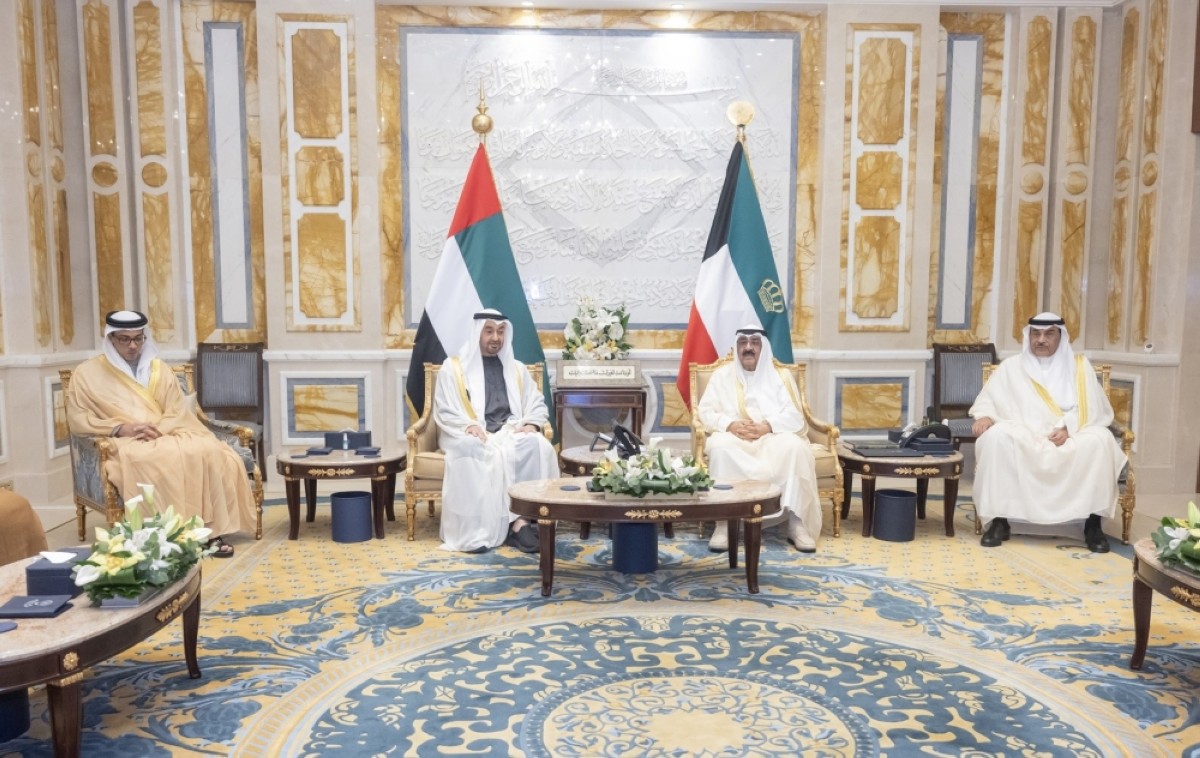

Kuwait is experiencing a period of significant transformation and advancement under the leadership of His Highness the Amir Sheikh Meshal Al-Ahmad Al-Jaber Al-Sabah. Just two years into his reign, a comprehensive reform and development drive is steadily gaining momentum, promising a future of progress, stability, and prosperity for the nation. This journey, rooted in His Highness’s wise vision, is already yielding tangible results across numerous sectors, solidifying Kuwait’s position both regionally and internationally. The focus on modernization, diversification, and citizen welfare is central to this ambitious undertaking.
A Vision for Modern Kuwait: His Highness the Amir’s Leadership
His Highness Sheikh Meshal Al-Ahmad Al-Jaber Al-Sabah ascended to the role of Kuwait’s 17th ruler in December 2023, bringing with him over six decades of dedicated public service. His upbringing within the esteemed Al-Sabah family instilled in him a deep understanding of leadership and governance, qualities for which he is widely respected. Known for his wisdom, sincerity, and unwavering commitment to Kuwait’s security and advancement, His Highness has quickly established himself as a driving force for positive change.
Born in 1940, His Highness’s early education at Al-Mubarakiya School was followed by specialized training in police sciences at Hendon College in the United Kingdom. This foundation led to a distinguished career within the Ministry of Interior, where he pioneered the State Security Service. Later, as Deputy Chief of the National Guard, he oversaw a crucial modernization phase, strengthening its role in national defense. His appointment as Crown Prince in 2020 signaled a clear path towards continued leadership and reform.
Implementing the Amiri Directives: Key Achievements
The past year has been particularly marked by the diligent implementation of Amiri directives, a clear roadmap for Kuwait’s renaissance. These directives prioritize strengthening national unity, preserving Kuwait’s cultural identity, and relentlessly combating corruption. Crucially, they emphasize fulfilling the aspirations of Kuwaiti citizens as the cornerstone of sustainable development and a means to navigate both internal and external challenges.
Economic Diversification and Investment
A central pillar of the reform agenda is diversifying Kuwait’s economy, traditionally reliant on oil revenues. Government efforts are accelerating to attract foreign investment and forge stronger international economic partnerships. This includes creating a more favorable environment for global companies and promoting balanced, sustainable economic growth. The “New Kuwait 2035” vision, a long-term development plan, remains a guiding principle, aiming to transform the country into a regional financial and commercial hub.
Recent initiatives include the launch of the first phase of a smart license system, amendments to the Real Estate Developer Law, and the Kuwait Investment Authority’s participation in a global artificial intelligence infrastructure partnership. The Kuwait Stock Exchange has also launched a startup market, encouraging innovation and entrepreneurship.
Strengthening Social Welfare and Human Capital
His Highness has consistently placed a strong emphasis on empowering Kuwaiti youth, expanding employment opportunities, and supporting the active participation of women in all sectors. Investments are being made in enhancing housing, health, and education services, alongside targeted policies to support individuals with disabilities. This commitment to human capital development is seen as vital for Kuwait’s long-term success.
Modernizing Governance and Security
Significant legislative activity has accompanied the broader reform drive. New laws and regulations are modernizing judicial and administrative systems, strengthening traffic and anti-narcotics legislation, and improving the oversight of charitable organizations.
In the security and defense sectors, the Ministry of Defense unveiled its 2025-2030 strategy, focusing on enhancing military readiness and bolstering air defense capabilities. The Ministry of Interior has upgraded its technological infrastructure, including the introduction of unmanned maritime units to protect coastal waters. The National Guard’s fourth strategic plan prioritizes advanced technologies and modern security applications.
Kuwait’s Growing Regional and International Role
His Highness the Amir’s vision extends beyond domestic reforms to actively strengthen Kuwait’s relationships on the global stage. Frequent diplomatic engagements, through high-level visits and participation in international forums, demonstrate a commitment to fostering Gulf, Arab, and international cooperation.
Recent examples include a fraternal consultative meeting with leaders of the Gulf Cooperation Council, the King of Jordan, and the Egyptian President, as well as visits to France, the United Kingdom, and Oman. These interactions underscore Kuwait’s dedication to regional stability and its role as a trusted international partner. The country’s selection as the Arab Capital of Culture and Media for 2025 further highlights its cultural significance and growing influence. This commitment to international relations is a key component of Kuwait’s overall strategy.
Looking Ahead: A Future Built on Reform
Under the continued leadership of His Highness the Amir, Kuwait is resolutely pursuing its path of reform and progress. The momentum built over the past two years is expected to accelerate, driven by His Highness’s wisdom and the enduring principles of the nation’s forefathers. Major development projects, such as the Mubarak Al-Kabeer Port and the new airport terminal, are progressing, promising further economic growth and improved infrastructure. Kuwait’s journey is a testament to its resilience, its commitment to innovation, and its unwavering pursuit of a brighter future for all its citizens.
The ongoing reforms are not merely about modernization; they represent a fundamental shift towards a more just, equitable, and prosperous Kuwait, firmly positioned to meet the challenges and opportunities of the 21st century.