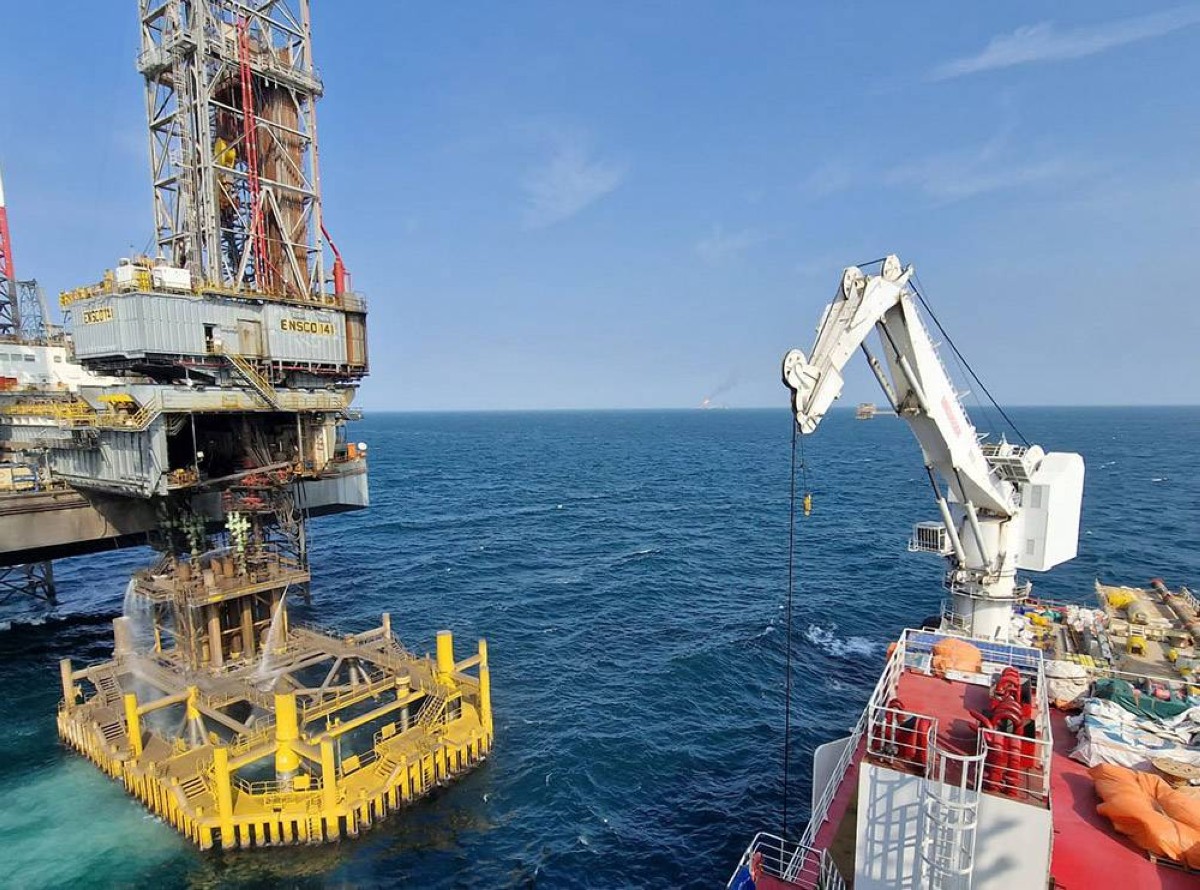

Kuwait’s energy sector is poised for significant growth as its offshore oil exploration efforts enter a new and promising phase. Recent discoveries in the Nokhatha and Julaia fields have confirmed the presence of commercially viable hydrocarbons, signaling a potential boost to the nation’s oil reserves and production capacity. The Kuwait Oil Company (KOC) is now actively working to map these resources and prepare for expanded drilling operations, overcoming considerable technical hurdles in the process.
Kuwait’s Offshore Oil Potential: A New Era
For decades, Kuwait’s oil production has been largely land-based. However, recognizing the potential for substantial reserves beneath the Gulf, KOC has been steadily increasing its focus on offshore oil exploration. The confirmation of a functioning petroleum system in the Nokhatha and Julaia fields represents a major milestone, validating years of geological studies and initial exploratory work. This isn’t just about finding more oil; it’s about diversifying Kuwait’s energy portfolio and securing its long-term energy future.
The discoveries are particularly encouraging because they point to the presence of significant Cretaceous reservoirs, known for their potential to hold large volumes of oil. KOC’s proactive approach, including detailed planning and investment in specialized equipment, is laying the groundwork for sustained success in this challenging environment.
Detailed Exploration and Seismic Surveys
To fully understand the extent of the offshore oil resources, KOC is currently undertaking a comprehensive three-dimensional seismic survey. This advanced technology creates detailed subsurface maps, allowing geologists and engineers to pinpoint the most promising locations for drilling. The survey is a crucial step in the evaluation phase, providing the data needed to accurately assess the size and commercial viability of the reserves.
Key Wells and Productivity Testing
Two wells, Nokhatha-2 and Julaia-3, are central to this evaluation. These Jurassic wells penetrate the largest Cretaceous reservoirs discovered to date and are designed for productivity testing during the drilling process. This real-time data collection is invaluable, providing immediate insights into the reservoir’s characteristics and potential output. The information gathered will directly inform future drilling strategies and optimize production.
Overcoming Technical Challenges in Marine Environments
Oil exploration in the Gulf presents unique technical challenges. Transporting heavy equipment to offshore locations, preventing marine pollution, and preparing stable drilling sites in a dynamic marine environment all require careful planning and execution. KOC has demonstrated a commitment to addressing these issues head-on.
The company has invested in robust pollution-control systems, ensuring that any potential spills or leaks are contained and mitigated. Dedicated support is provided for diving and subsea maintenance operations, crucial for inspecting and maintaining the integrity of the offshore infrastructure. Furthermore, tugboats are utilized to precisely position drilling rigs, and thorough site clearing and stabilization procedures are followed before any drilling commences.
Prioritizing Safety and Environmental Protection
KOC understands the importance of responsible energy development. Given the lack of historical well data in these offshore areas, the company has developed exceptionally detailed drilling plans, incorporating safety measures for a wide range of potential worst-case scenarios.
During the initial drilling of Nokhatha and Julaia, unexpectedly high pressures and temperatures were encountered. This experience prompted KOC to invest in specialized equipment capable of handling these extreme conditions, ensuring the safety of personnel and the integrity of the wells.
The Julaia field’s proximity to the shore necessitates even greater precautions. KOC implements a rigorous safety protocol, including regular drills and inspections to prevent leaks and maintains a 500-meter safety zone around the drilling site to protect maritime traffic. All drilling waste and fluids are transported to specialized treatment facilities, and wells are meticulously isolated and secured on the seabed to prevent any accidental release. Advanced well-isolation systems are a cornerstone of their commitment to both environmental and operational safety.
Future Plans and Infrastructure Development
Looking ahead, KOC is actively exploring options for early production from the discovered wells. This involves developing the necessary infrastructure to efficiently and safely transport the oil to shore. The second phase of offshore exploration will see the drilling of 17 additional wells, building on the knowledge gained from the initial discoveries.
Currently, designs for these new wells, along with the associated drilling platforms and logistical support systems, are under review. The focus is on reducing costs, shortening project timelines, and maintaining the highest standards of quality. Recognizing the long-term potential of offshore oil, KOC is also studying the feasibility of constructing a dedicated port to specifically support these operations, streamlining logistics and enhancing efficiency. This strategic investment will further solidify Kuwait’s position as a key player in the global energy market.
In conclusion, Kuwait’s offshore oil exploration is entering a dynamic new phase, fueled by recent discoveries and a commitment to overcoming technical challenges. KOC’s meticulous approach to safety, environmental protection, and infrastructure development positions the nation for sustained growth in its energy sector. The ongoing seismic surveys and planned drilling of additional wells promise further breakthroughs, potentially unlocking significant new reserves and bolstering Kuwait’s energy security for decades to come. Stay tuned for further updates on this exciting development in the global oil landscape.