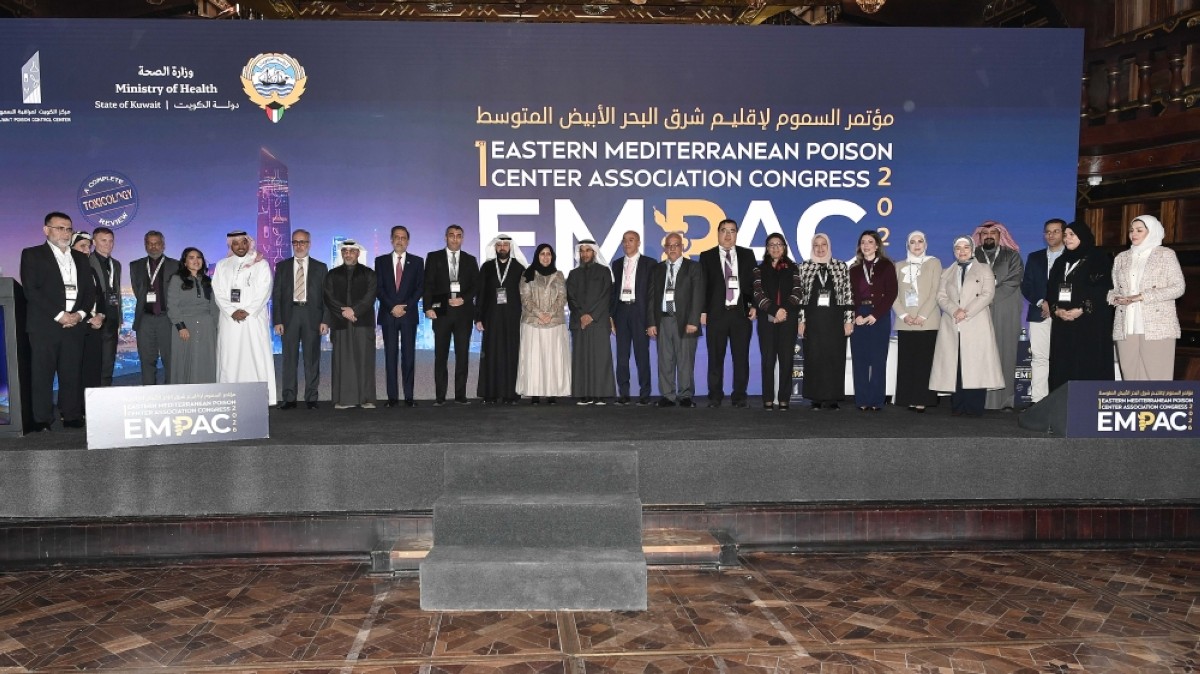

Kuwait is witnessing a notable increase in reported poisoning cases, but health officials assure the public this isn’t necessarily indicative of a growing danger. Instead, the surge – from approximately 2,000 cases in 2023 to a significant 6,500 in 2025 – reflects a positive trend: increased public awareness and utilization of the Kuwait Poison Control Center’s services. This rise was a key topic of discussion at the recent 1st Eastern Mediterranean Poison Center Congress held in Kuwait, highlighting the nation’s commitment to improving toxicology response and emergency care.
Rising Poisoning Reports: A Sign of Awareness, Not Increased Risk
The dramatic increase in reported poisoning cases over the past three years has understandably raised some concerns. However, Dr. Abdullatif Aloumi, head of the Kuwait Poison Control Center at the Ministry of Health, clarified the situation during a televised interview. He explained that the numbers reflect a greater understanding within the community about the center’s availability and the valuable advice and treatment plans it provides.
This improved reporting is crucial. Previously, many incidents may have gone unreported or addressed without the specialized guidance of a poison control center. The ability to quickly connect with experts can significantly impact patient outcomes and reduce the severity of complications. This proactive approach to public health is a cornerstone of Kuwait’s healthcare strategy.
The Role of the Eastern Mediterranean Poison Center Congress
The 1st Eastern Mediterranean Poison Center Congress, organized by the Emergency Medicine Council, brought together experts from across the globe to focus on the critical role of toxicology in emergency medicine. The conference, held from January 22-24, emphasized the importance of rapid response and effective communication in managing poisoning incidents.
Supporting Emergency Rooms & Saving Lives
A central theme of the congress was how toxicology can best support emergency rooms. Faster, more accurate diagnoses and treatment protocols are vital when dealing with poisoning, as the condition of a patient can deteriorate rapidly. The exchange of knowledge and best practices among international experts will undoubtedly strengthen Kuwait’s ability to handle these time-sensitive emergencies.
Emergency Preparedness & Specialized Training
Beyond immediate response, the conference also addressed emergency preparedness for rare but high-risk scenarios, such as radiological or nuclear incidents. Hanan Aldosari, national training lead for radiological and nuclear emergency response, highlighted the ongoing training provided to Kuwaiti Board-certified emergency doctors. This training ensures they are equipped to respond safely and effectively in any emergency situation, prioritizing both patient and responder safety.
Common Causes of Poisoning in Kuwait
Data analyzed by the Kuwait Poison Control Center reveals that medication-related poisoning is the most frequently reported type of incident. This underscores the importance of responsible medication use and patient education. Following medication poisoning, exposure to chemical substances represents a significant portion of reported cases.
Dr. Adel Alsalem, Director of Drugs Inspection Administration at the Ministry of Health, emphasized the risks associated with polypharmacy – the use of multiple medications simultaneously. “Many patients are prescribed several medications,” he stated, “There can be drug interactions, side effects and sometimes toxic effects, so we focus on making sure patients know how to use their medications correctly.” This highlights the need for clear communication between doctors and patients regarding medication regimens. Medication safety is a key focus for health officials.
The Critical Importance of Speed and Communication
Emergency physicians consistently emphasize the time-sensitive nature of poisoning cases. Dr. Mona Dashti, an emergency physician, explained the immediate steps taken upon a patient’s arrival: assessment, stabilization, treatment, and simultaneous communication with the Poison Control Center.
Dr. Samer Baza, head of Syria’s National Poison Center, echoed this sentiment, stressing the need for both speed and accuracy in toxicology. “A poisoned patient is an acute case,” he explained. “The situation develops very quickly and requires rapid intervention. This is one of the most important challenges in toxicology: diagnostic steps must be accurate and fast.” Effective communication between emergency departments and poison control centers is therefore paramount. Toxicology expertise is vital in these situations.
In conclusion, while the rising number of reported poisoning cases in Kuwait may appear alarming, it’s largely a positive indicator of increased public awareness and improved access to specialized medical support. Continued investment in public education, emergency preparedness, and collaboration between healthcare professionals will be crucial in mitigating risks and protecting the health of the population. By prioritizing early intervention and responsible medication practices, Kuwait is strengthening its defenses against the dangers of poisoning and ensuring a safer future for its citizens.