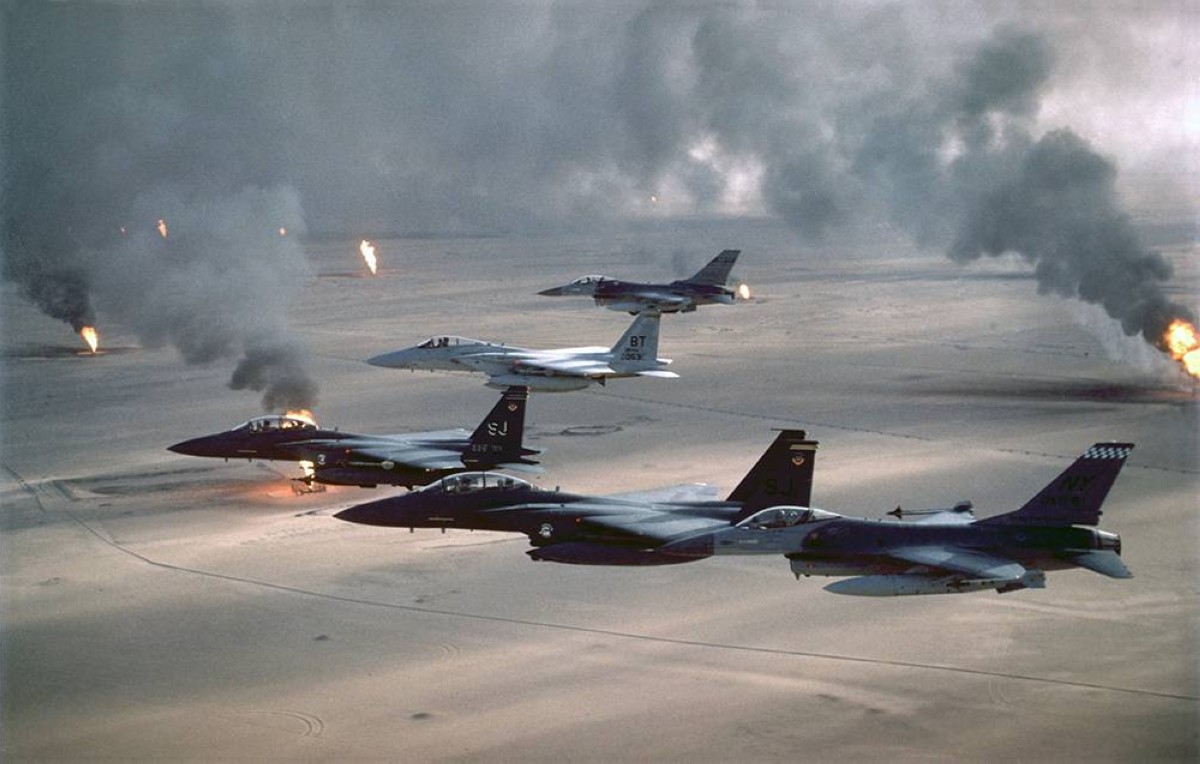

Today, Kuwait remembers a pivotal moment in its history – January 17th – the day Operation Desert Storm commenced, marking the beginning of the liberation of Kuwait from Iraqi occupation. This date resonates deeply with the Kuwaiti people, representing not only a military victory but a testament to their resilience and the strength of international solidarity. The events of 1990 and 1991 irrevocably shaped the nation and continue to be commemorated annually.
The Iraqi Invasion and Initial Response
On August 2nd, 1990, Iraq launched a brutal invasion of Kuwait, swiftly occupying the country and setting the stage for a period of immense hardship for the Kuwaiti population. This act of aggression was widely condemned internationally as a violation of sovereignty and a threat to regional stability. The invasion wasn’t simply a territorial dispute; it was a deliberate attempt to destabilize the Gulf region and control vital oil resources.
Immediately following the invasion, Kuwait appealed to the United Nations for assistance. This led to an emergency meeting of the UN Security Council, resulting in the swift passage of Resolution 660. This resolution unequivocally condemned the Iraqi invasion and demanded the immediate and unconditional withdrawal of all Iraqi forces from Kuwaiti territory. However, Iraq ignored these calls, prompting further international action.
Escalation and the UN Ultimatum
As weeks turned into months, and Iraq remained entrenched in Kuwait, the international community continued to exert pressure. The UN Security Council, recognizing the ineffectiveness of diplomatic efforts, issued Resolution 678 on November 29th, 1990. This resolution established January 15th, 1991, as a firm deadline for Iraq’s withdrawal.
It explicitly authorized member states to use “all necessary means” to uphold Resolution 660 if Iraq failed to comply. This was a clear signal that military intervention was on the table. The United States, under President George H.W. Bush, began mobilizing forces in the region, building a broad international coalition to prepare for potential conflict. Diplomatic efforts continued until the very last moment, with Saudi King Fahd bin Abdulaziz appealing directly to Iraqi President Saddam Hussein for withdrawal, but these pleas went unanswered.
The Launch of Operation Desert Storm
With the UN deadline passing at dawn on January 17th, 1991, the long-anticipated Operation Desert Storm began. A massive aerial bombardment, involving approximately 1,800 aircraft from the international coalition, targeted key Iraqi military installations and infrastructure.
Initial Airstrikes and Objectives
The initial wave of attacks focused on crippling Iraq’s air defenses, communication networks, and command-and-control systems. US F-17 fighter jets struck targets in Baghdad, while British Tornadoes targeted Iraqi airfields. Simultaneously, French and Italian warplanes concentrated on destroying Iraq’s missile sites. Kuwait’s own air force played a crucial role, striking Iraqi targets within Kuwait itself.
The coalition’s air superiority was quickly established, effectively neutralizing the Iraqi air force within the first two weeks of the campaign. This dominance in the air was a defining characteristic of the conflict, showcasing the evolving nature of modern warfare. The operation wasn’t limited to a single location; aircraft launched from carriers in the Arabian Gulf, as well as bases in Turkey, Saudi Arabia, and Bahrain.
Coalition Forces and Technological Superiority
The coalition assembled to liberate Kuwait was a diverse and powerful force, comprising over 750,000 soldiers from 35 nations. The United States contributed the largest contingent, with 500,000 personnel, followed by the United Kingdom (30,000), France (13,000), and a substantial force of approximately 200,000 troops from various Arab nations.
Military technology played a pivotal role in the success of the operation. The use of stealth aircraft, precision-guided munitions, and advanced surveillance systems like AWACS (Airborne Warning and Control System) gave the coalition a significant advantage. The deployment of eight AH-64 Apache helicopters, conducting low-level raids to destroy Iraqi radar systems, exemplified this technological edge. Over 400 fighter jets carried out 1,200 strikes on the first day alone, destroying nearly half of Iraq’s air force. The use of 100 Tomahawk cruise missiles launched from US aircraft carriers further demonstrated the power of modern weaponry.
Liberation and Lasting Impact
After rejecting a Soviet-proposed ceasefire on February 22nd, the United States, committed to a complete and unconditional withdrawal, granted Iraq a 24-hour grace period. When this expired, coalition ground forces launched a swift and decisive offensive on February 24th, 1991. Divided into three main groups, they targeted Kuwait City, encircled Iraqi forces west of Kuwait, and moved south into Iraqi territory to cut off supply lines.
Within 100 hours of the ground offensive’s launch, the Iraqi army was in full retreat from Kuwait. On February 27th, President Bush announced the liberation of Kuwait, marking a resounding victory for the international coalition and a momentous occasion for the Kuwaiti people. Operation Desert Storm fundamentally reshaped strategic and political thinking in the region, highlighting the increasing importance of air power and advanced technology in modern warfare. The conflict demonstrated the limitations of traditional defensive strategies against precision weaponry and underscored the necessity of international cooperation in addressing global security threats. The memory of this period of occupation and liberation remains a powerful force in Kuwaiti national identity.