
Kuwait is making significant strides in diversifying its energy sources and bolstering its infrastructure development, as recently highlighted in a presentation to a key ministerial committee. The undersecretary for electricity, water and renewable energy unveiled a detailed three-year roadmap focused on integrating more solar energy into the nation’s power grid, signaling a commitment to the ambitious target of 30% renewable energy by 2030. This plan was presented amidst a broader review of major development projects and increased government spending.
Kuwait’s Renewable Energy Roadmap Unveiled
Dr. Adel Mohammed Al-Zamel presented the comprehensive work plan, outlining strategies and programs specifically designated for the electricity system and the expansion of renewable energy initiatives. While the specifics of the roadmap weren’t fully disclosed by the Kuwait News Agency (KUNA), the presentation underscored a commitment to bringing new solar stations online within the next three years. This development follows earlier agreements that demonstrate Kuwait’s intention to fast-track its energy transition.
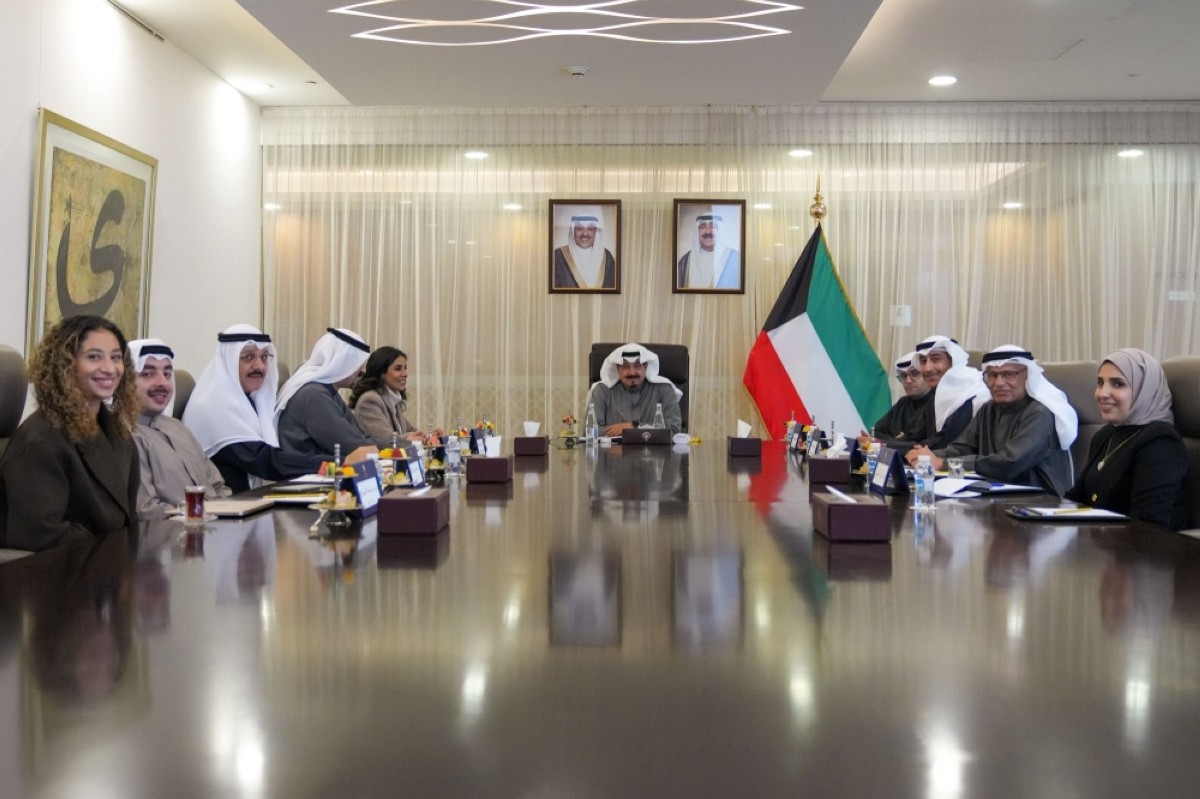
The briefing took place during the 41st meeting of the ministerial committee, chaired by His Highness the Prime Minister Sheikh Ahmad Al-Abdullah Al-Ahmad Al-Sabah, at Bayan Palace. This high-level attention emphasizes the importance placed on these projects by the Kuwaiti government.
Focus on Solar and Wind Power
Kuwait’s strategy leans heavily toward harnessing both solar and wind power. The nation’s climate makes it particularly well-suited for large-scale solar power generation. Recent collaborations, notably the agreement signed with China in March, are pivotal to realizing these ambitions. This accord stipulates Chinese oversight for the development of the third and fourth phases of the Shagaya Renewable Energy Complex and for the Al-Abdiliya solar plant.
These projects aren’t occurring in isolation. They are part of a larger commitment to modernizing Kuwait’s energy infrastructure and reducing reliance on traditional fossil fuels.
Increased Development Spending and Infrastructure Projects
Beyond the energy sector, Kuwait has witnessed a substantial increase in government spending on development projects. The first quarter of the 2025-2026 plan saw spending reach approximately KD 132.4 million ($434 million) – an 11% increase compared to the previously highest quarterly expenditure registered in 2020-2021.
Infrastructure projects are currently leading the way in terms of financial allocation, accounting for 11% of the total spending by the end of the quarter. The development of Mubarak Al-Kabeer Port, with its first phase slated for completion in 2028, represents a significant undertaking in this regard. This demonstrates a move towards diversifying the economy and creating logistical hubs.
Chinese Collaboration and Project Oversight
The surge in project activity and spending is closely linked to the burgeoning partnership with China. Following the signing of several memoranda of understanding earlier in 2025, Chinese state-owned companies have been entrusted with the design and operational oversight of key development projects. Mubarak Al-Kabeer Port serves as a prominent example of this collaboration and has become a flagship initiative.
The ministerial committee, formally established in early 2025, has been meeting regularly – with reports publicly available via KUNA since June – to monitor the implementation of these agreements and ensure smooth progress.
Broad Scope of Development Projects Under Review
The committee’s current focus extends beyond port and energy development. Updates were also provided on regional electricity grid cooperation initiatives, systems for low-carbon waste recycling, alongside housing endeavors, environmental infrastructure specifically for wastewater treatment, and the establishment of free and economic zones.
Critically, projects geared towards combating desertification, a growing environmental challenge in the region, also received attention. This wide-ranging portfolio reflects a holistic approach to national development, addressing both economic growth and environmental sustainability.
His Highness the Prime Minister, Sheikh Ahmad Al-Abdullah Al-Ahmad Al-Sabah, stressed the importance of enhanced coordination with partner governments, emphasizing Kuwait’s genuine dedication to expanding its major projects and strengthening economic ties. He underscored that strategic development goals are firmly rooted in prioritizing the needs and interests of Kuwaiti citizens, following the guidance laid out by His Highness the Amir Sheikh Meshal Al-Ahmad Al-Jaber Al-Sabah.
Ambassador Samih Jawhar Hayat, Assistant Foreign Minister for Asian Affairs and committee rapporteur, confirmed that the meeting involved a detailed review of reports and updates from various government bodies overseeing project implementation. The gathering included a robust representation of senior ministers and officials across critical sectors, ensuring a collaborative and informed discussion.
In conclusion, Kuwait is actively pursuing a future powered by diversification and sustainable practices. The recent presentation of the solar energy roadmap, coupled with increased infrastructure investment and strong international partnerships, particularly with China, signals a period of significant growth and modernization. The commitment to achieving a 30% renewable energy target is a key driver, but the broader scope of reviewed projects showcases a comprehensive blueprint for national development focused on long-term economic prosperity and environmental responsibility. Continued monitoring of project implementation and strengthened government coordination will be vital to realizing Kuwait’s ambitious vision for the future. For further information on Kuwait’s development plans, explore resources from the Kuwait News Agency and the Supreme Council for Planning and Development.