
Kuwait has taken a significant step towards streamlined regional trade and enhanced security with the launch of the first phase of its electronic linkage project with the Gulf Cooperation Council (GCC) Customs Union Authority. This initiative underscores Kuwait’s commitment to modernizing its customs procedures and bolstering collaboration with its neighboring states. The move promises to reduce red tape, accelerate the flow of goods, and strengthen the collective defenses against illicit trade within the GCC. This advancement in GCC customs integration directly impacts businesses involved in intra-regional commerce and reinforces Kuwait’s position as a key trading hub.
Electronic Linkage: A New Era for Regional Customs
The General Administration of Customs in Kuwait announced the commencement of this pivotal project on Friday. Its core function is to establish a secure, electronic exchange of vital customs declaration data and documentation amongst the customs administrations of all GCC member countries. This isn’t simply about digitizing paperwork; it’s about creating a unified and transparent system that prioritizes efficiency and security.
The implementation is happening via the established Gulf network and operates within the strategic framework already approved by the GCC Customs Union Authority. This ensures conformity and allows for a phased approach to full integration, minimizing disruptions while maximizing benefits.
Benefits of a Digitally Connected Customs System
This project is expected to deliver a wide range of advantages, including:
- Unified Procedures: Standardization across the GCC will simplify compliance for traders operating in the region.
- Facilitated Trade: Reduced administrative burdens will encourage increased intra-GCC trade, fueling economic growth.
- Enhanced Efficiency: Faster processing times at ports of entry are anticipated, lowering costs and improving supply chains.
- Stronger Risk Management: Improved data sharing will allow customs authorities to identify and address potential risks more effectively.
- Enhanced Security: More robust control mechanisms will help protect national economies from illegal activities.
Ultimately, the goal is to create a seamless and secure flow of goods, fostering a more competitive and attractive economic environment throughout the GCC.
Aligning with Kuwait’s Digital Transformation Strategy
The launch of this electronic linkage project is not an isolated event. It is a crucial component of Kuwait’s broader, and ambitious, digital transformation strategy. This national initiative prioritizes the adoption of cutting-edge technologies, tightly integrates electronic systems, minimizes reliance on paper-based processes, and reinforces robust governance and transparency.
The overarching aim of this strategy is to dramatically improve the quality of service provided to all stakeholders – businesses, individuals, and government agencies alike. This also speaks to Kuwait’s broader efforts to diversify its economy and attract foreign investment by establishing itself as a leader in digital innovation within the region. The modernization will also improve customs clearance processes.
Maintaining Security Alongside Facilitation
Director General of Customs, Yousef Al-Nuwaif, highlighted a critical balance: facilitating trade while simultaneously maintaining the highest levels of customs security. He emphasized that continuous development of the work environment and enhancement of staff capabilities remain paramount strategic priorities for the administration.
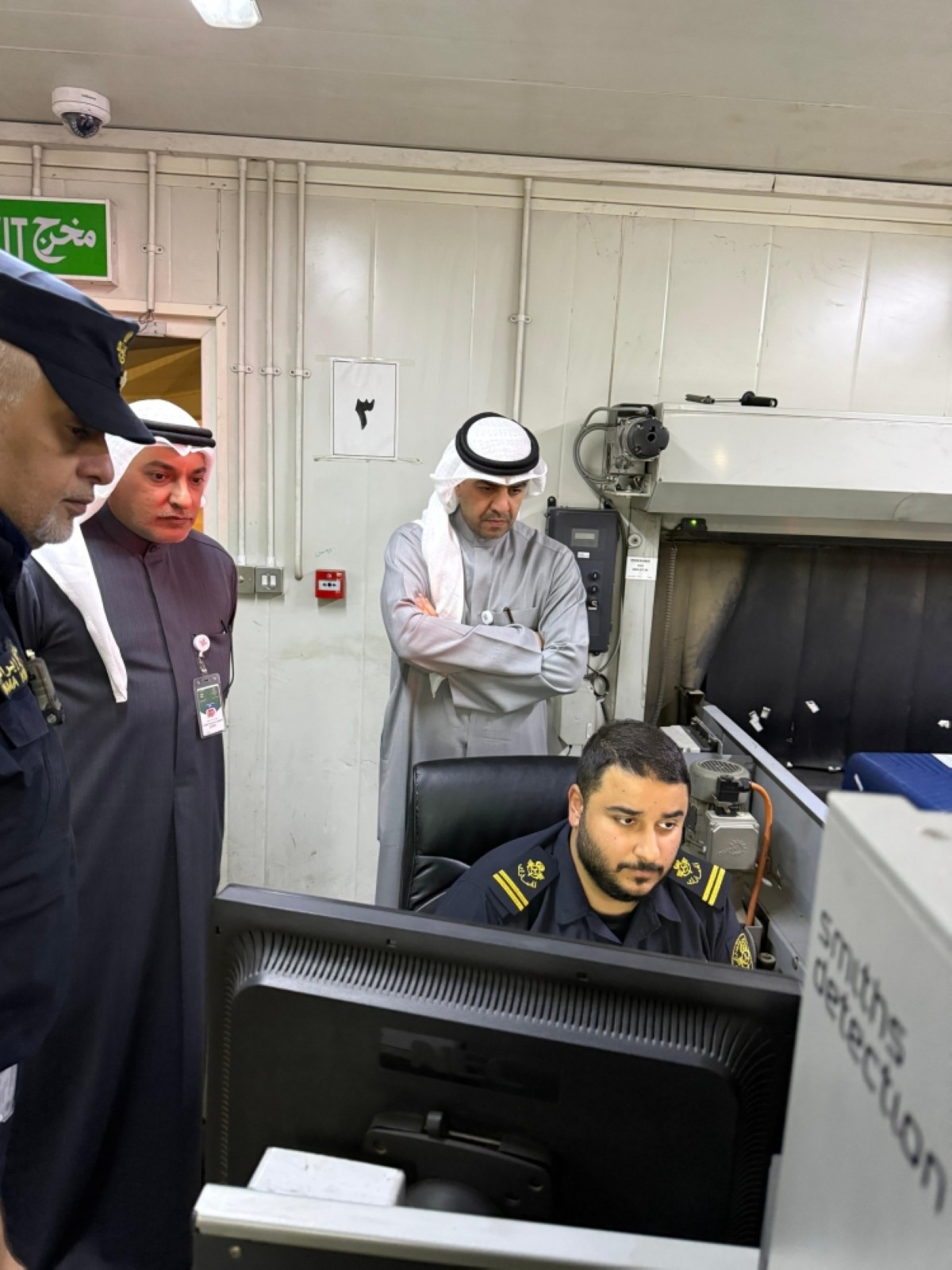
Al-Nuwaif’s statements came during recent inspection tours of key customs facilities. He visited the Nuwaiseeb land border customs outlet and both Terminal 1 and Terminal 5 at Kuwait International Airport, alongside Deputy Director General for Search, Investigation and Customs Outlets, Saleh Al-Omar. These visits were focused on reviewing existing workflows, assessing overall operational readiness, and inspecting the supporting technical systems utilized for inspection and auditing.
Strengthening Border Control and Combating Smuggling
Al-Omar echoed the Director General’s sentiments, underlining the sustained need to combat smuggling in all its forms. He also stressed the importance of bolstered coordination among various field departments to ensure comprehensive oversight and effective protection of Kuwait’s borders. These efforts reinforce the commitment to safeguarding the national economy and protecting against illegal activities. The implementation of advanced technology will assist in quick border security checks and further streamline operations.
During these tours, officials meticulously reviewed daily workload levels, identified operational challenges, and explored innovative proposals to further refine the work environment, elevate staff efficiency, and enhance overall readiness. The proactive nature of these field visits demonstrates Kuwait Customs’ dedication to direct engagement with frontline operations, enabling swift resolution of issues, and ensuring a consistently high standard of service.
Looking Ahead: A More Connected and Secure Future
The electronic linkage project represents a significant leap forward for Kuwait’s customs administration and for the GCC as a whole. By forging closer digital ties, the region is positioning itself for increased trade, economic diversification, and enhanced security. This commitment to modernization, coupled with a steadfast focus on protecting national interests aligns with Kuwait’s vision for a prosperous and secure future.
This initiative will undoubtably continue to evolve and will require ongoing commitment and collaboration from all GCC member states. However, the initial phase marks a turning point, paving the way for a more integrated, efficient, and resilient customs landscape for the entire region. Businesses operating within the GCC are encouraged to stay informed about the evolving regulations and infrastructure as this project progresses to fully realize its potential benefits.