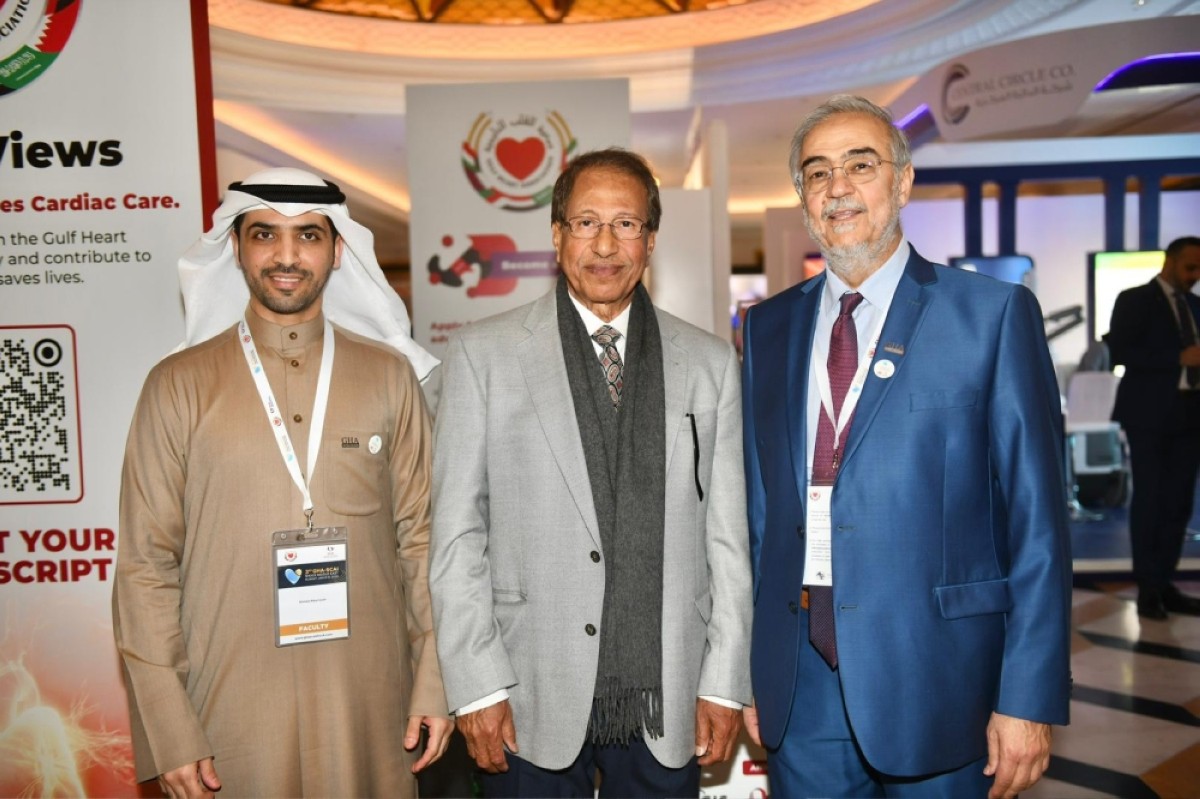

Cardiac shock remains a devastating complication of heart attacks, despite advancements in medical care. Affecting a significant minority of patients experiencing acute myocardial infarction, it carries a tragically high mortality rate. Recent discussions at the GHA–SCAI Shock Middle East conference in Kuwait, led by prominent cardiologists, highlight the urgent need for improved awareness, diagnostic protocols, and collaborative treatment strategies to combat this critical condition.
Understanding Cardiac Shock: A Serious Heart Attack Complication
Cardiac shock is a life-threatening condition that occurs when the heart is suddenly unable to pump enough blood to meet the body’s needs. This is most often caused by extensive damage to the heart muscle during a severe heart attack. As Prof. Dr. Mohammed Zubaid, President of the Gulf Heart Association and Vice President of the Kuwait Heart Association, emphasized at the recent conference, it’s one of the most serious consequences of an acute heart attack.
Globally, statistics reveal that between 3-10% of individuals suffering a heart attack will develop cardiac shock. Alarmingly, even with modern medical interventions, mortality rates remain extremely high, ranging from 40-50%. This underscores how challenging this condition is to treat and why continued research and education are vital. Cardiovascular disease, as a whole, continues to be the primary driver of mortality worldwide, with cardiac shock representing a particularly devastating outcome.
Recent Insights from the GHA-SCAI Shock Middle East Conference
The third conference on cardiac shock, GHA–SCAI Shock Middle East, opened in Kuwait on January 10th, bringing together leading international and regional experts in cardiology and advanced heart interventions. This event serves as a critical platform for knowledge sharing and the development of best practices in managing heart shock, as it’s sometimes referred to by patients and families.
Dr. Ahmed Al-Kharazah, a consultant cardiologist at Al-Dabous Heart Center and the conference’s media officer, explained how the Kuwait conference builds upon a series of specialized meetings, previously held in Dubai and Riyadh. The collaborative effort between the Kuwait Heart Association, the Gulf Heart Association, and the Society for Cardiovascular Angiography and Interventions (SCAI) emphasizes the importance of a multi-faceted approach to tackling this health crisis.
Focus on Early Diagnosis and Advanced Techniques
A key emphasis of the conference was on refining early diagnostic capabilities for cardiac shock. Identifying the condition swiftly is paramount to improving patient outcomes. Discussions centered around advanced hemodynamic monitoring – assessing the flow and pressure of blood – and the utilization of mechanical circulatory support technologies.
These technologies, like ECMO (extracorporeal membrane oxygenation) and Impella, act as temporary support systems, assisting the heart in pumping blood and allowing it to recover. Dr. Fahad Al-Hajri, Consultant Cardiologist and Chairman of the Scientific Committee, highlighted the crucial role of multidisciplinary medical teams – involving cardiologists, emergency physicians, intensive care specialists, and cardiac surgeons – in optimizing treatment and increasing survival rates.
The Situation in the Gulf Region
Data presented at the conference paints a concerning picture of cardiac shock prevalence within Gulf countries. Medical records indicate that approximately 4% of patients hospitalized for acute heart attacks subsequently develop cardiac shock. However, the in-hospital mortality rate associated with this complication is notably high, approaching 45%.
Recent data from Kuwait, presented by Dr. Zubaid based on a study by the Kuwait Heart Association, reveals over 300 cases of cardiac arrest following heart attack were recorded within a single year. Despite rapid intervention, including emergency cardiac catheterization and advanced therapeutic procedures, the mortality rate in these cases hovered around 50%. This confirms that even with access to cutting-edge medical technology and swift care, cardiac shock remains extremely challenging to overcome.
Dr. Abdullah Ismail, Head of the Cardiology Department at Mubarak Al-Kabeer Hospital, emphasized the conference’s importance in fostering collaboration and strengthening expertise across the region. The exchange of experiences between international and regional experts is expected to contribute to the development of improved national programs and a reduction in mortality rates.
The Path Forward: Awareness, Collaboration, and Innovation
The high mortality rates associated with cardiac shock, even in developed healthcare systems, underscore the need for continuous improvement in all aspects of care. Raising public awareness about the symptoms of a heart attack – and the potential for developing cardiac shock – is crucial for encouraging prompt medical attention.
Furthermore, the conference highlighted the importance of standardized diagnostic and treatment protocols, coupled with ongoing training for medical professionals. Investing in research and development of new therapies, particularly in the realm of mechanical circulatory support and cardiac regeneration, offers hope for the future.
Ultimately, tackling the challenge of cardiac shock requires a collaborative, integrated approach, bringing together the expertise of various medical specialties and fostering a commitment to innovation and patient-centered care. Continued scientific meetings like the GHA–SCAI Shock Middle East are essential for driving these advancements and improving the lives of those at risk.