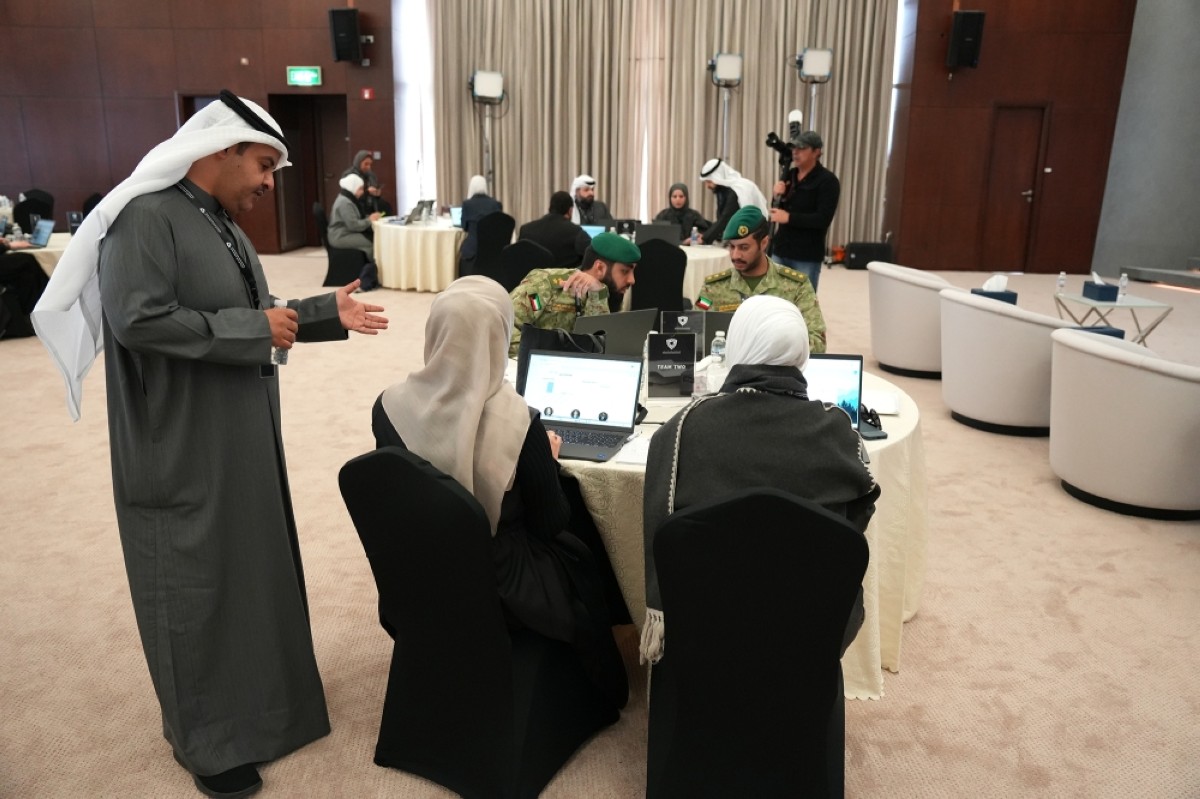

Kuwait is taking significant strides in bolstering its defenses against the ever-increasing threat of cyberattacks. The recent completion of the nation’s first cybersecurity drill, spearheaded by the Kuwait National Cybersecurity Center (KNC), marks a pivotal moment in the country’s commitment to protecting its digital infrastructure and sensitive data. This exercise wasn’t just a technical test; it was a comprehensive evaluation of Kuwait’s readiness to respond to sophisticated, real-world cyber threats impacting governmental bodies.
Kuwait Launches First National Cybersecurity Drill
The inaugural national cybersecurity drill was conducted on Tuesday, designed to simulate advanced attack scenarios and sharpen the analytical and response capabilities of Kuwait’s digital governmental agencies. Abeer Al-Awadhi, Chief of the KNC, affirmed the drill’s importance in a speech delivered during the simulation. The initiative directly aligns with the directives of Sheikh Fahad Al-Yousef Al-Sabah, the First Deputy Prime Minister and Interior Minister, who has prioritized the enhancement of national human capabilities and the overall efficiency of government operations in the digital realm.
The Need for Proactive Cybersecurity Measures
This drill underscores a growing global trend: the increasing sophistication and frequency of cyberattacks targeting critical infrastructure and government services. Nation-states and criminal organizations alike are constantly developing new methods to compromise systems, steal data, and disrupt essential functions. Kuwait, recognizing this evolving landscape, is proactively investing in its cybersecurity posture to mitigate potential risks. The focus on real-life scenarios within the drill is particularly crucial, moving beyond theoretical exercises to test practical responses under pressure.
A Shared National Responsibility for Digital Defense
Al-Awadhi emphasized a key principle: cybersecurity is no longer the sole responsibility of a dedicated IT department or specialized agency. Instead, it’s a shared national responsibility demanding integrated collaboration across all institutions. Protecting the data and services provided by the state, spanning diverse sectors like finance, healthcare, and energy, requires a unified approach. This means fostering a culture of security awareness and equipping all personnel with the knowledge and skills to identify and respond to potential threats.
This shift in perspective is vital. A strong cybersecurity framework relies not only on advanced technology but also on a well-trained and vigilant workforce. The drill served as a platform to identify areas where inter-agency communication and coordination could be improved, ensuring a seamless response in the event of a genuine incident. Cyber threat intelligence sharing, in particular, is a critical component of this collaborative effort.
Strengthening Cybersecurity Culture in Government
The one-day exercise represents a significant step towards embedding a robust cybersecurity culture within Kuwait’s government agencies. It wasn’t simply about identifying vulnerabilities; it was about fostering a mindset of proactive defense and continuous improvement. By simulating attacks, participants were able to experience firsthand the challenges of incident response, learn from their mistakes, and refine their procedures.
This practical experience is invaluable. Theoretical training can only go so far; the pressure of a simulated attack forces individuals and teams to think on their feet and apply their knowledge in a dynamic environment. Furthermore, the drill likely highlighted the importance of regular vulnerability assessments and penetration testing to identify and address weaknesses before they can be exploited. Data protection was undoubtedly a central theme throughout the exercise.
KNC’s Ongoing Commitment to Government Support
The National Cybersecurity Center is demonstrating a firm commitment to supporting all government bodies in their cybersecurity endeavors. Al-Awadhi highlighted the KNC’s dedication to providing the necessary frameworks, controls, and tools to enable agencies to build secure and resilient digital work environments. This support extends beyond simply offering technology; it includes providing guidance on best practices, developing security policies, and delivering specialized training programs.
The KNC’s role is crucial in ensuring a consistent and standardized approach to cybersecurity across the government. By providing centralized resources and expertise, the center can help agencies overcome common challenges and avoid duplication of effort. This proactive support is essential for maintaining a strong and unified defense against cyber threats. The success of this initial cybersecurity drill will undoubtedly pave the way for more frequent and sophisticated exercises in the future, further strengthening Kuwait’s national cybersecurity capabilities.
In conclusion, Kuwait’s first national cybersecurity drill signifies a proactive and strategic approach to safeguarding its digital future. The emphasis on real-life scenarios, shared responsibility, and a robust cybersecurity culture demonstrates a clear understanding of the evolving threat landscape. The KNC’s ongoing commitment to supporting government bodies will be instrumental in building a secure and resilient digital ecosystem for the nation. This initiative serves as a model for other countries in the region looking to enhance their own cybersecurity preparedness. Further information on Kuwait’s cybersecurity initiatives can be found on the KNC website and through official government channels.